“Some are born to play it safe, others are born to live it wild.” - Nikki Rowe
LUIWA PLAINS NATIONAL PARK
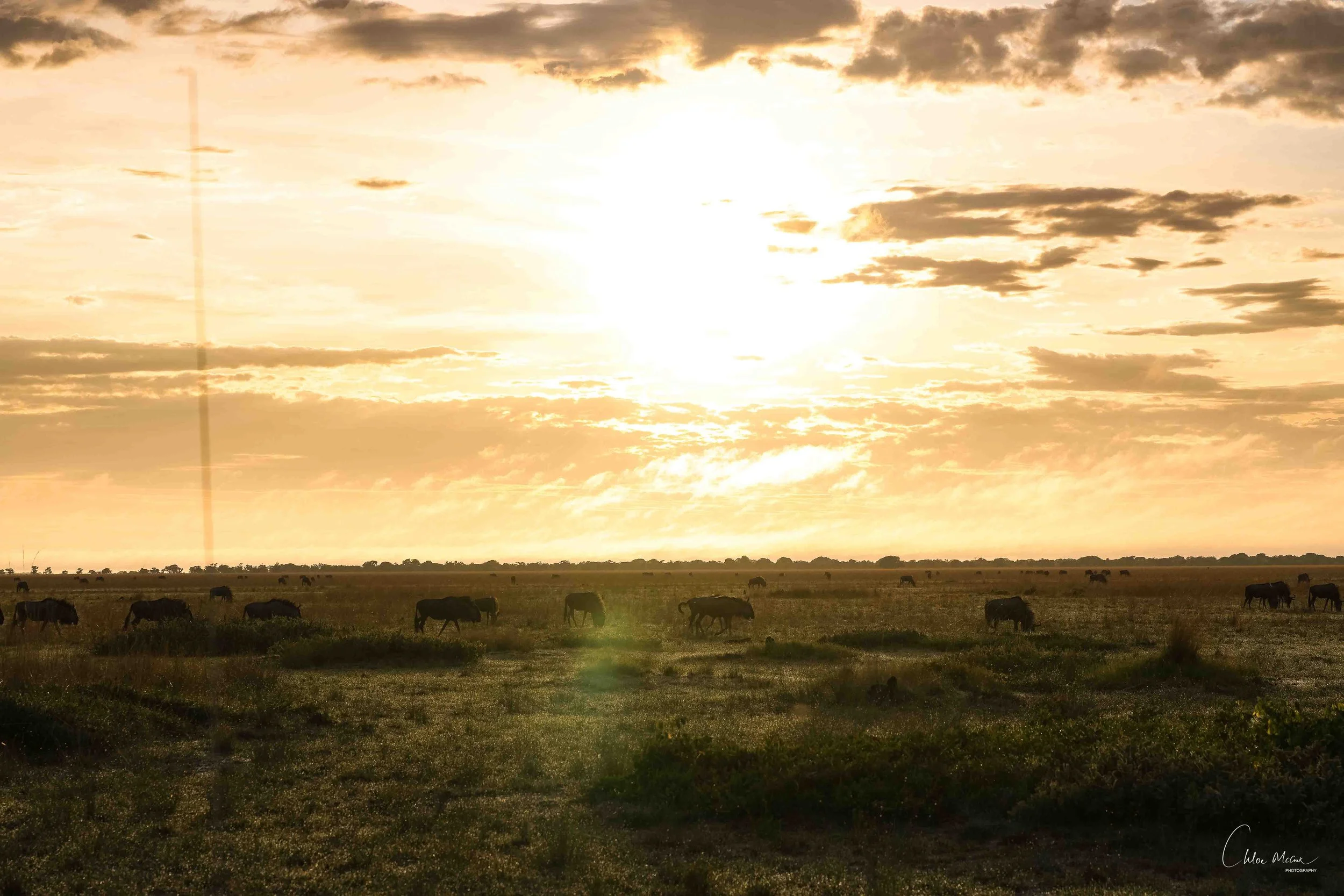
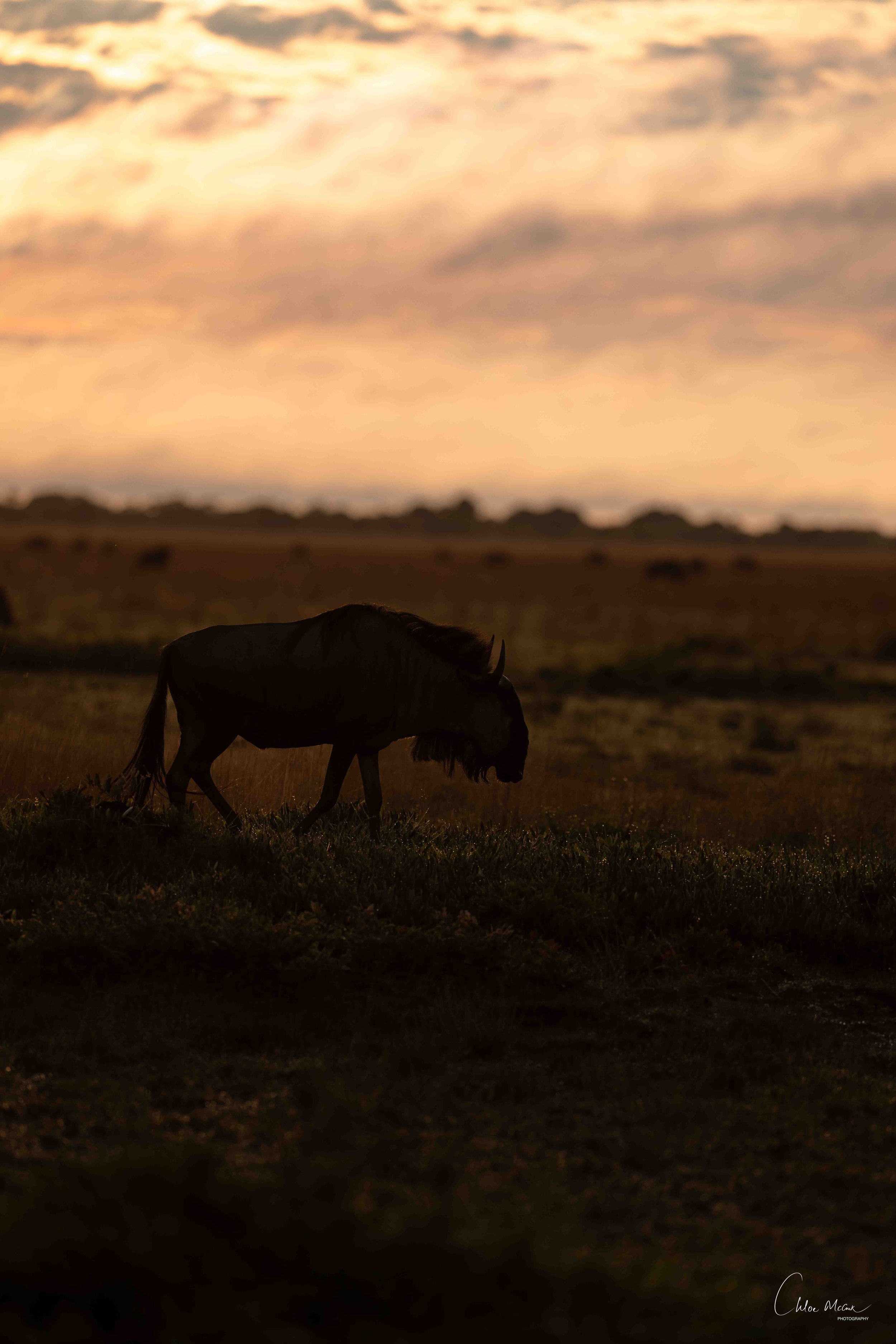
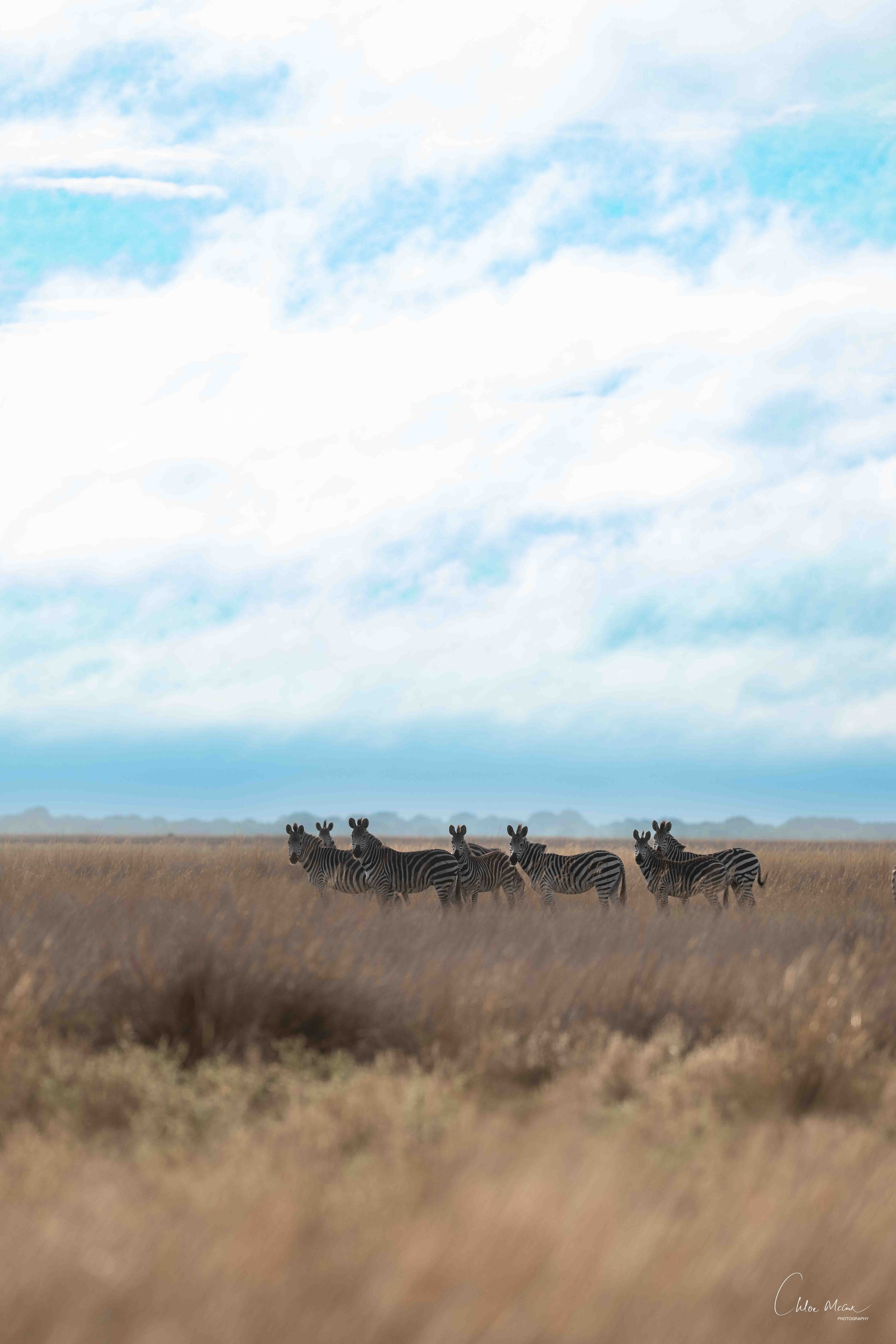
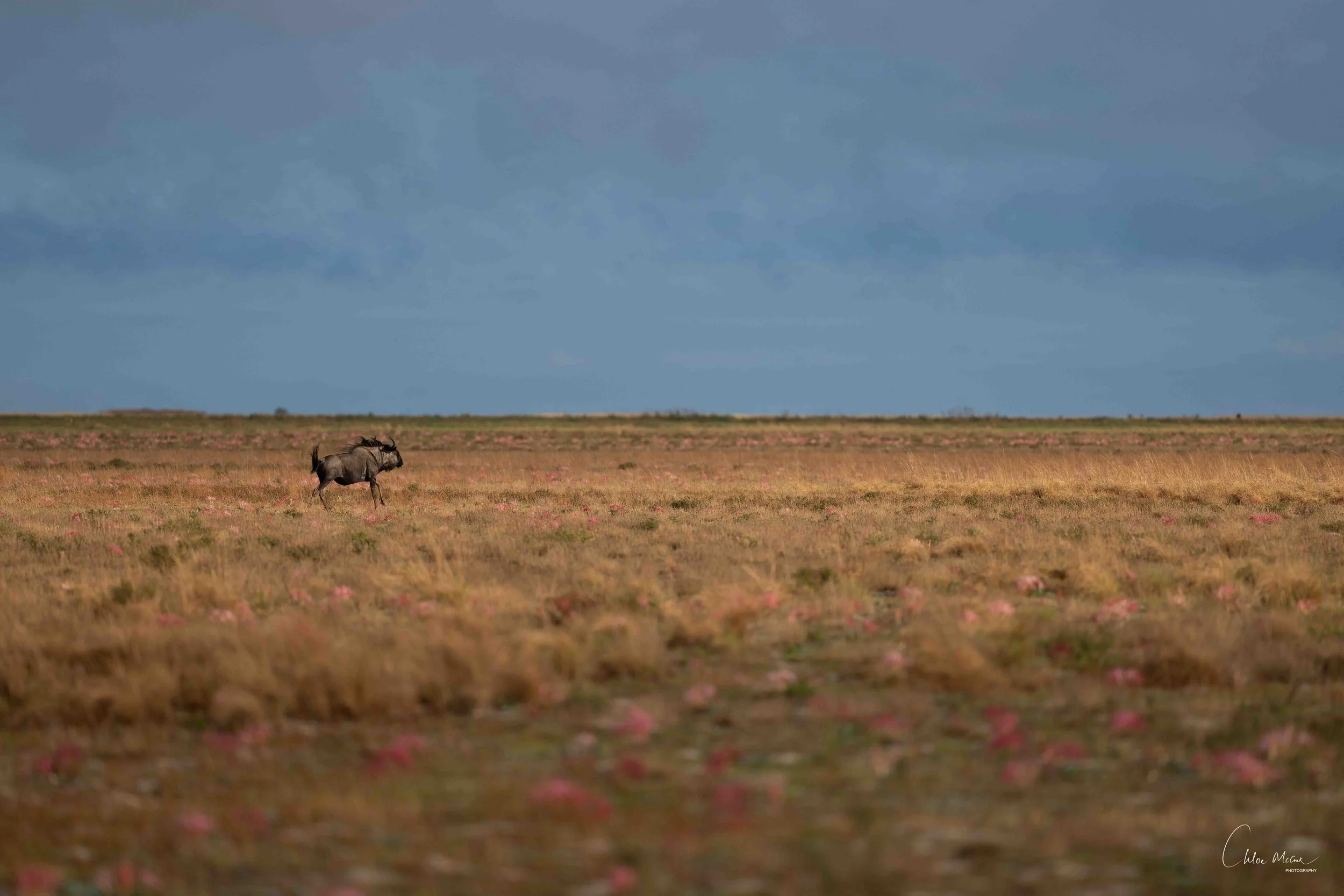
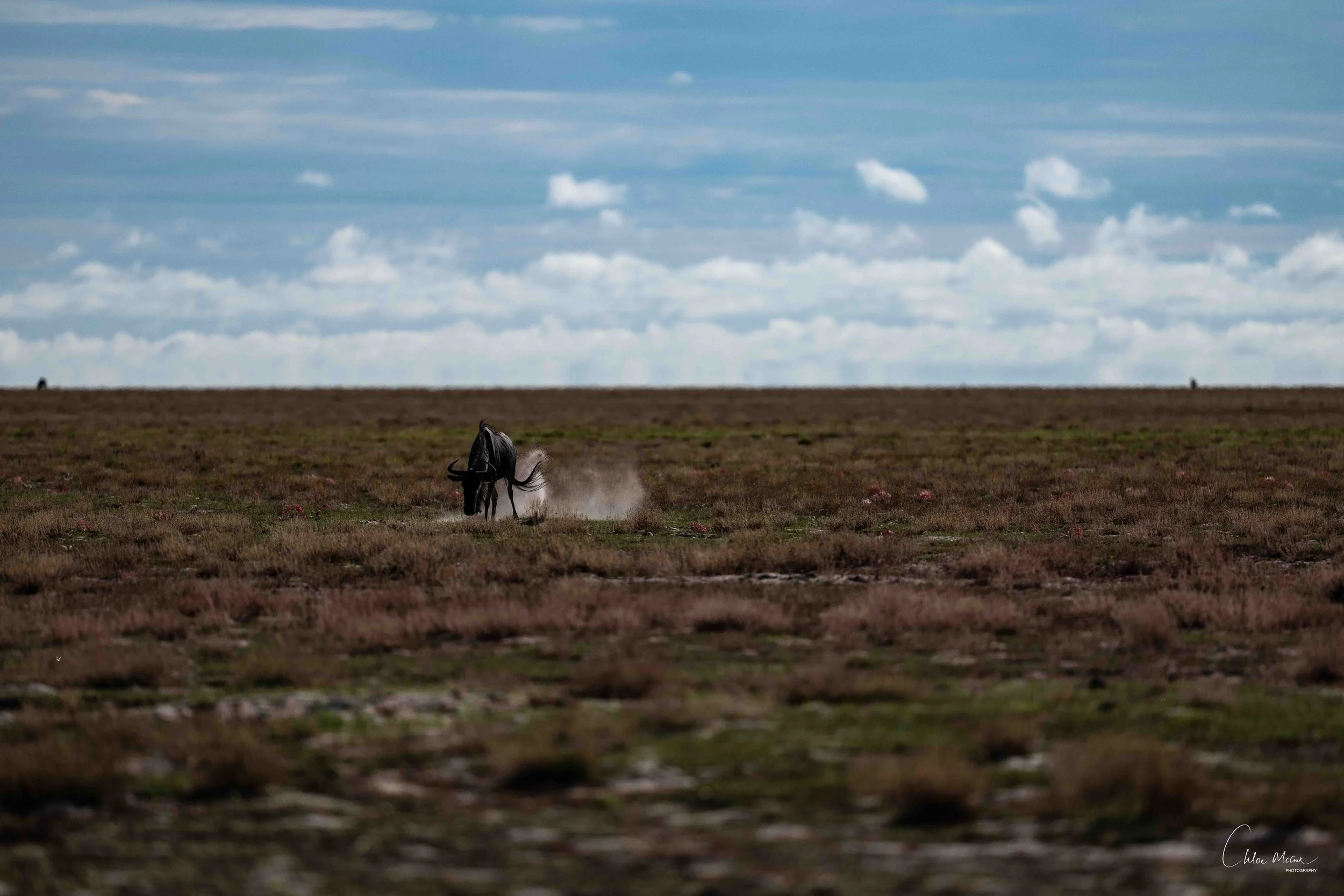
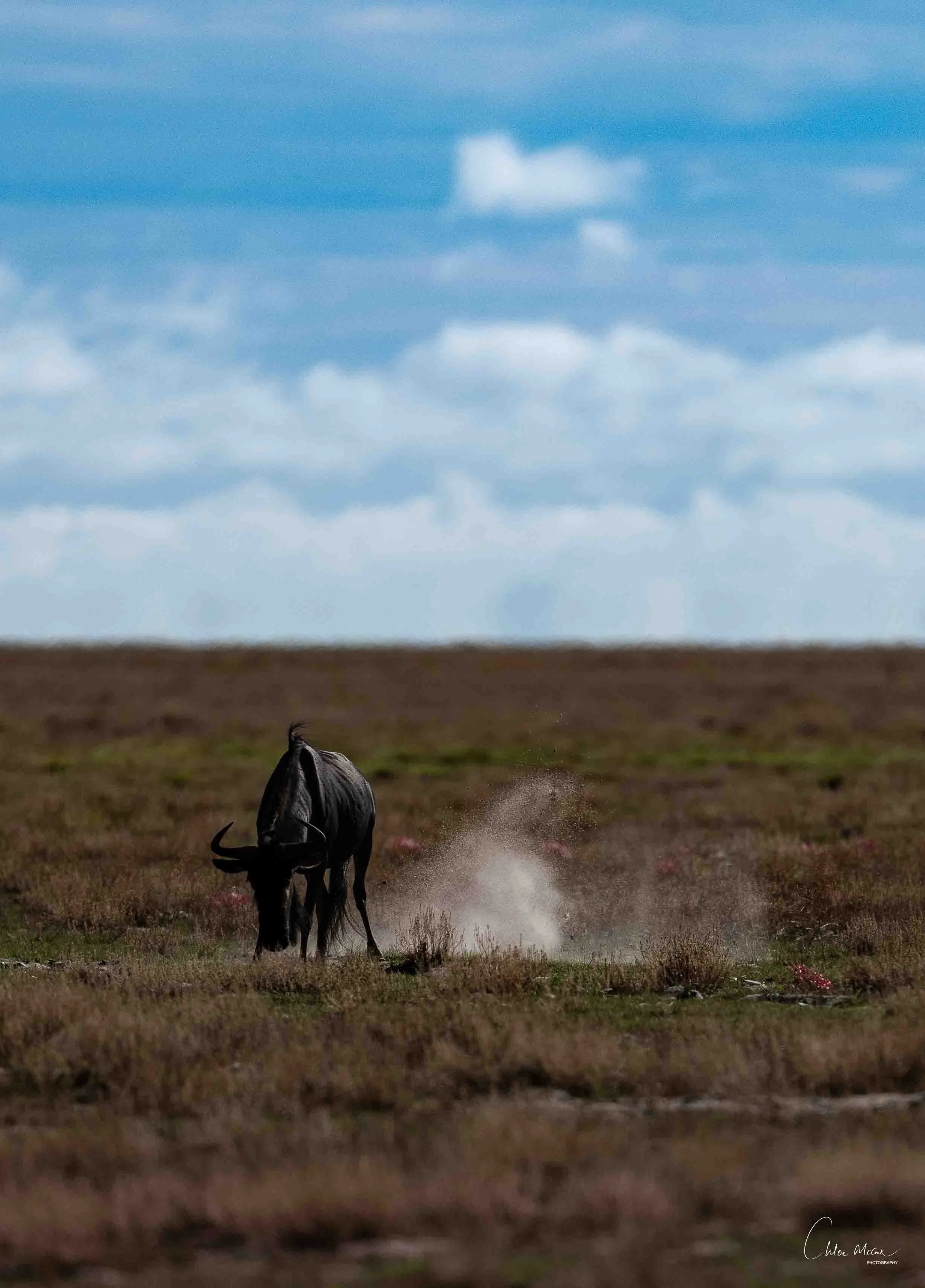
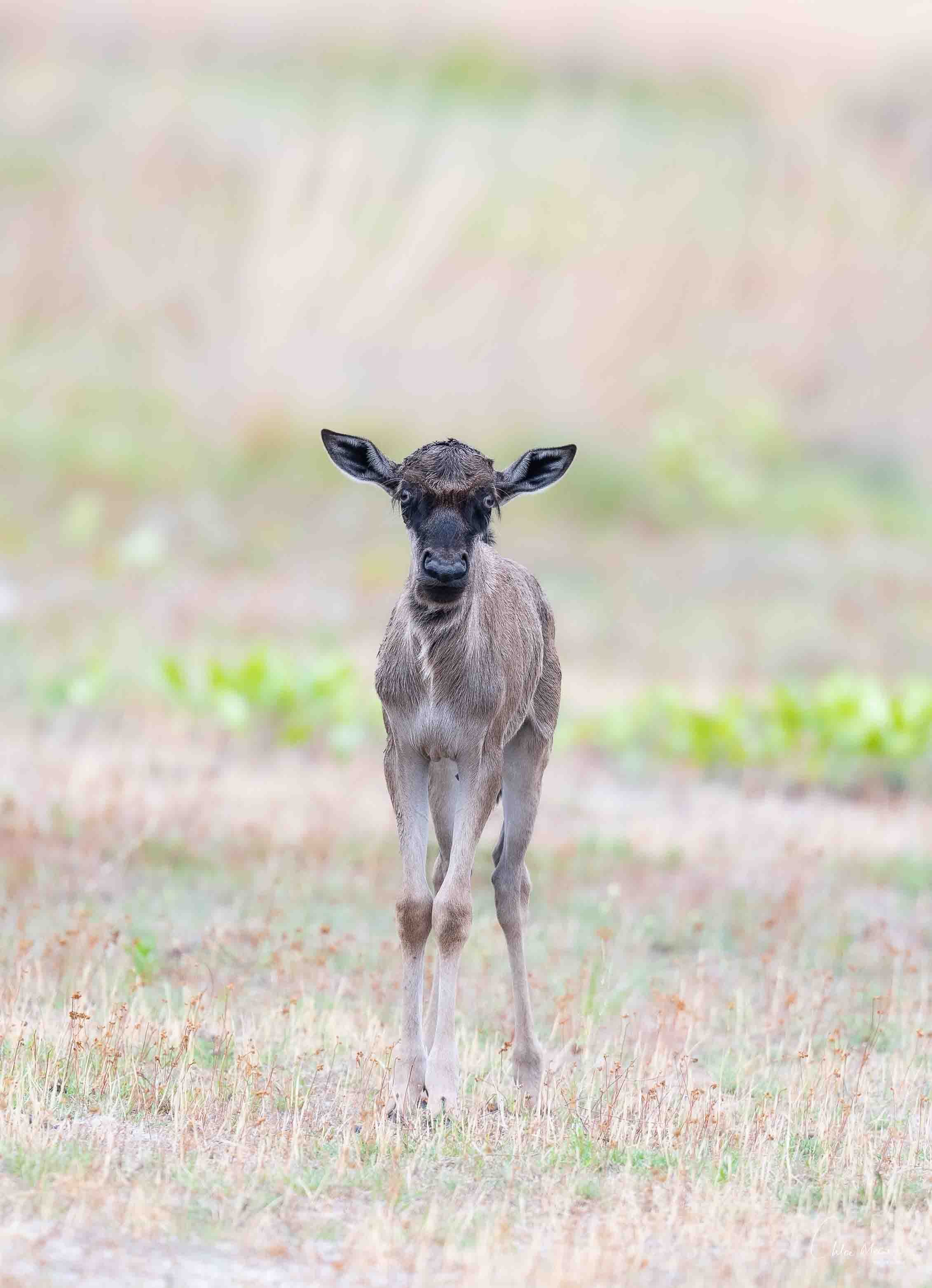
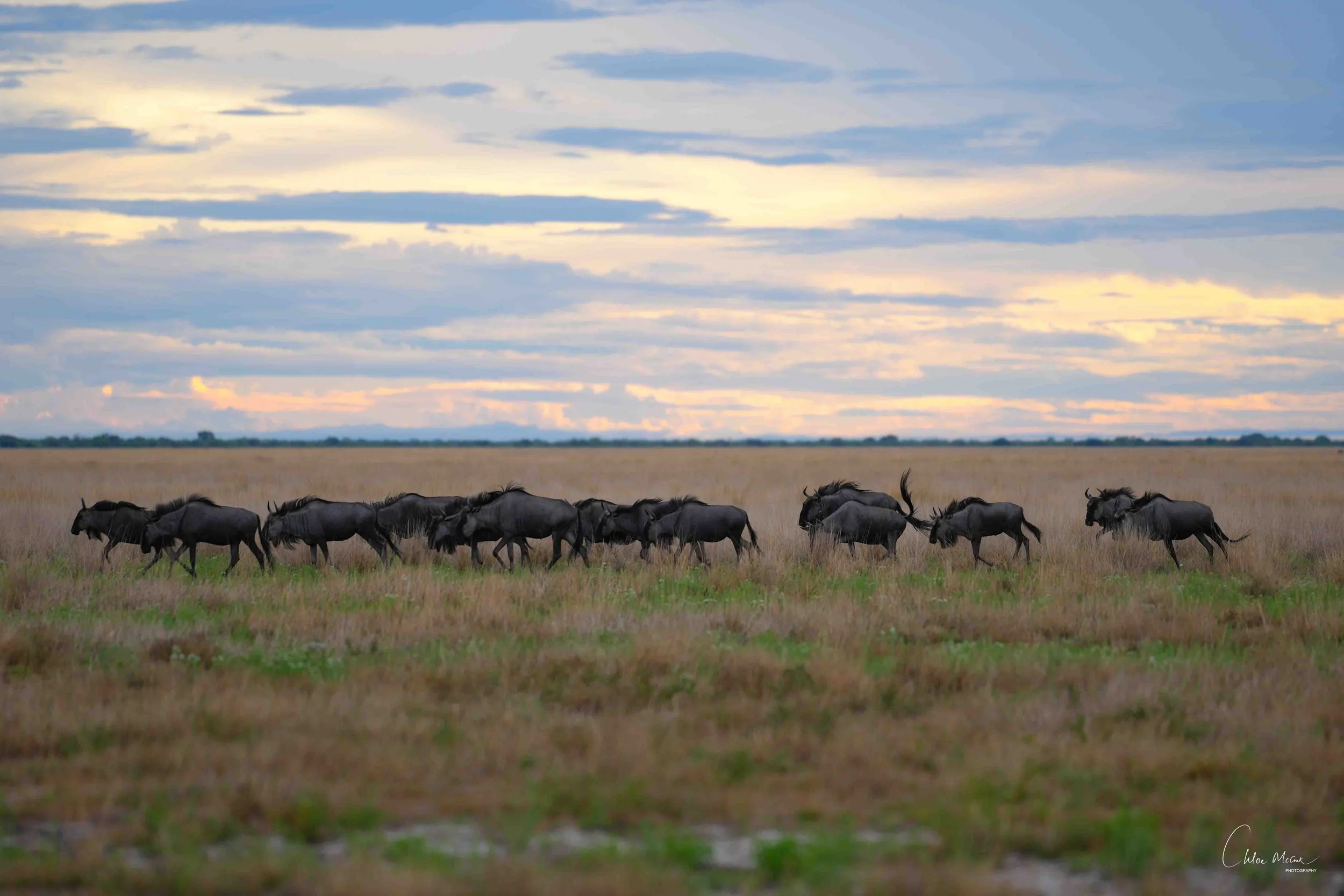
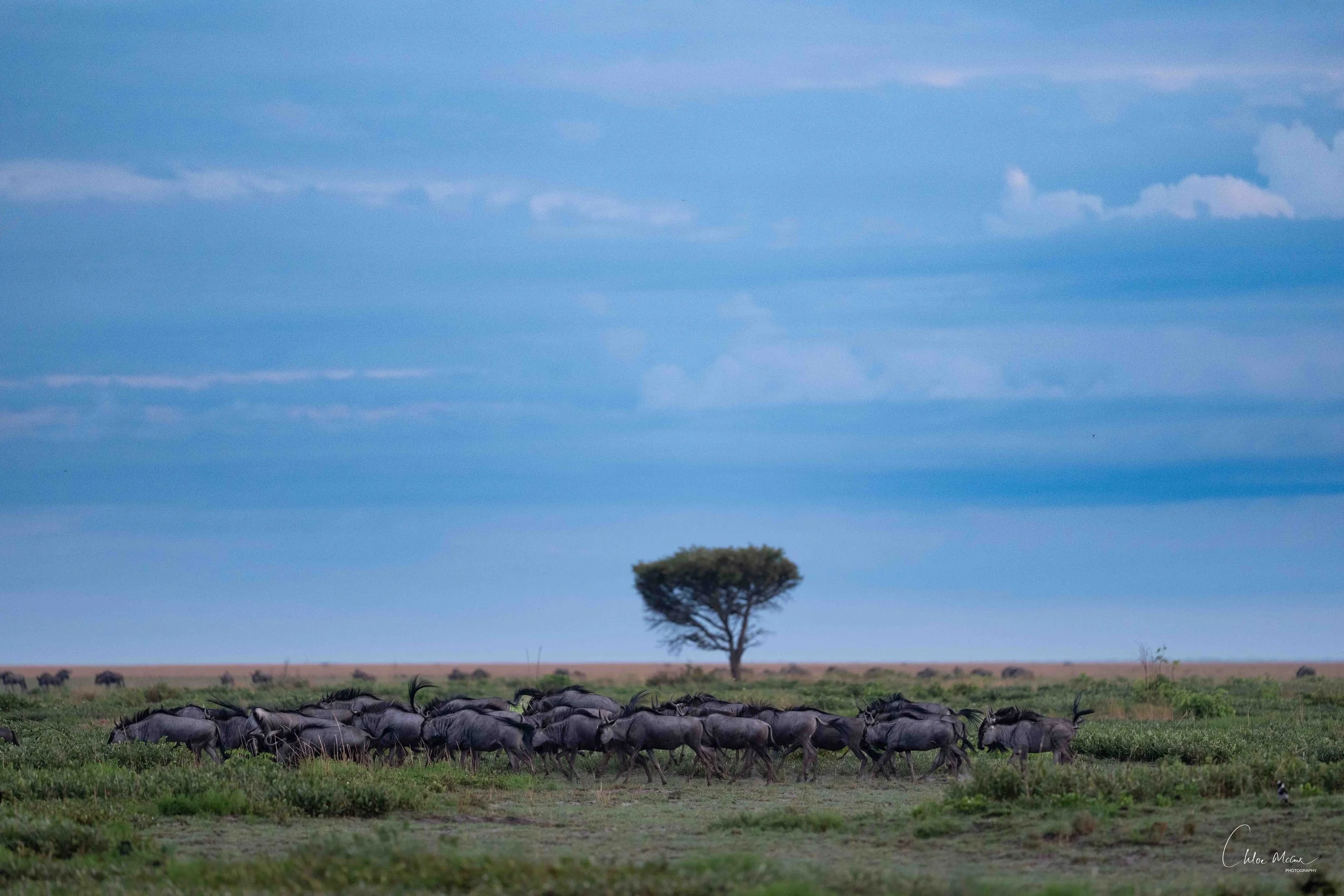
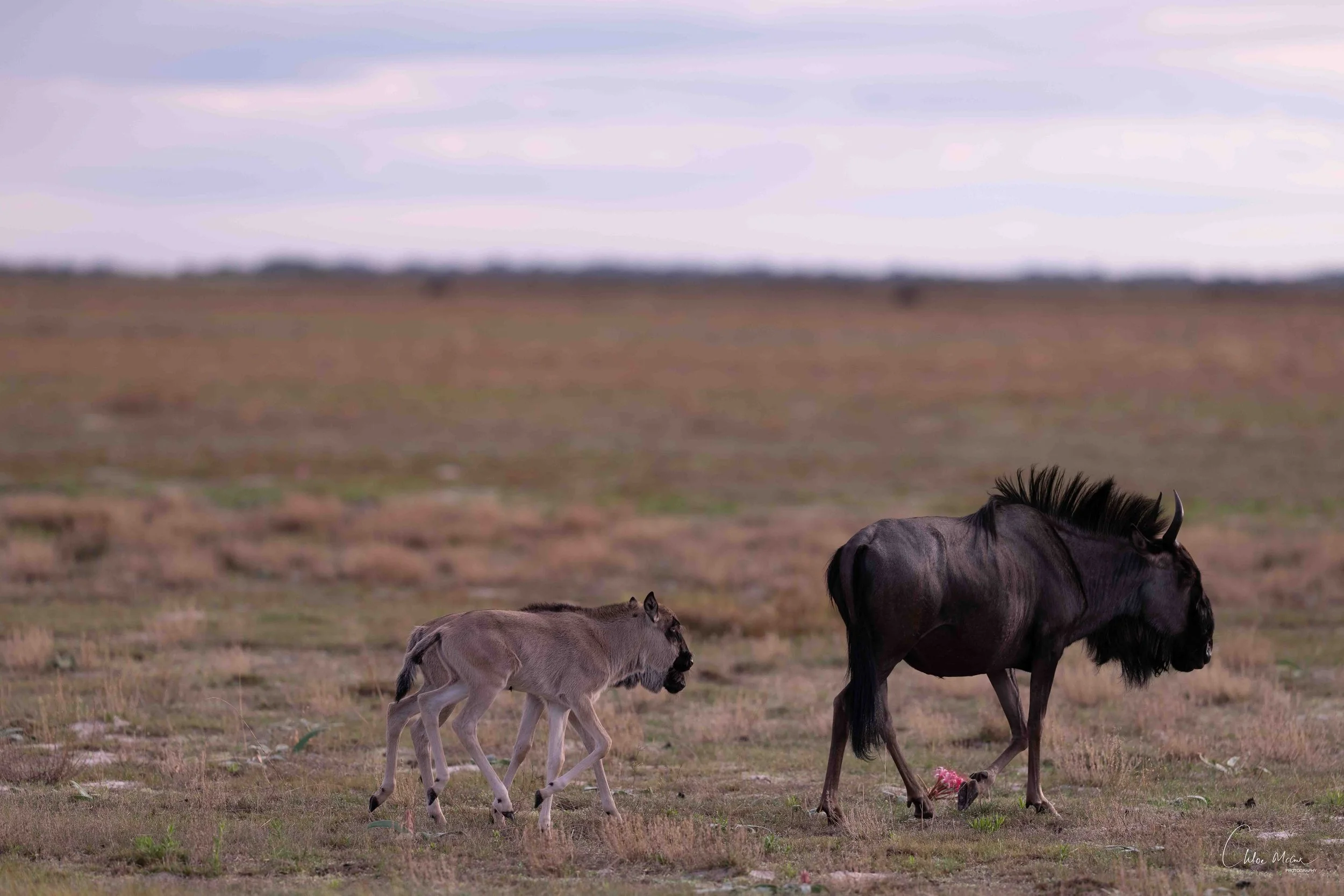
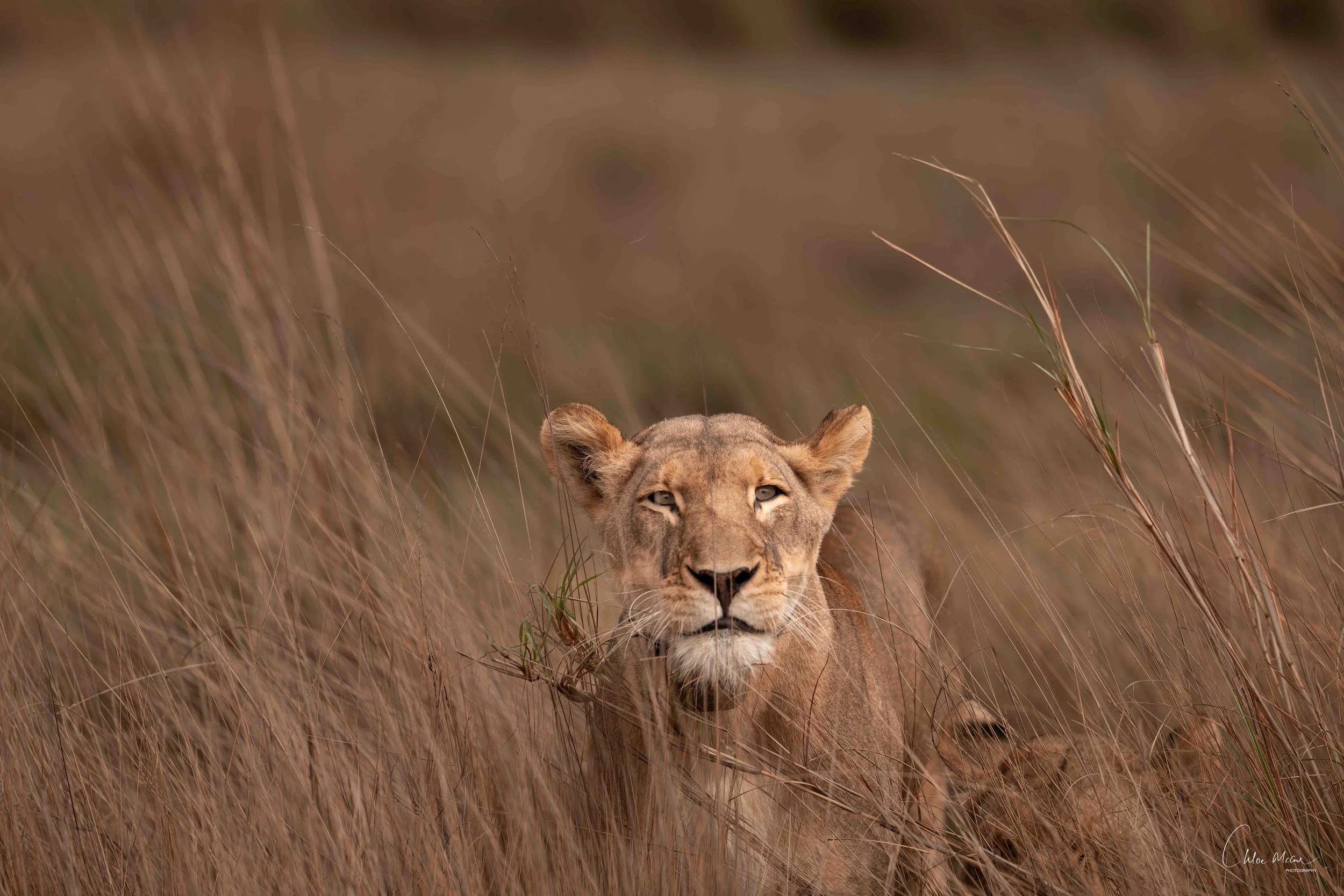
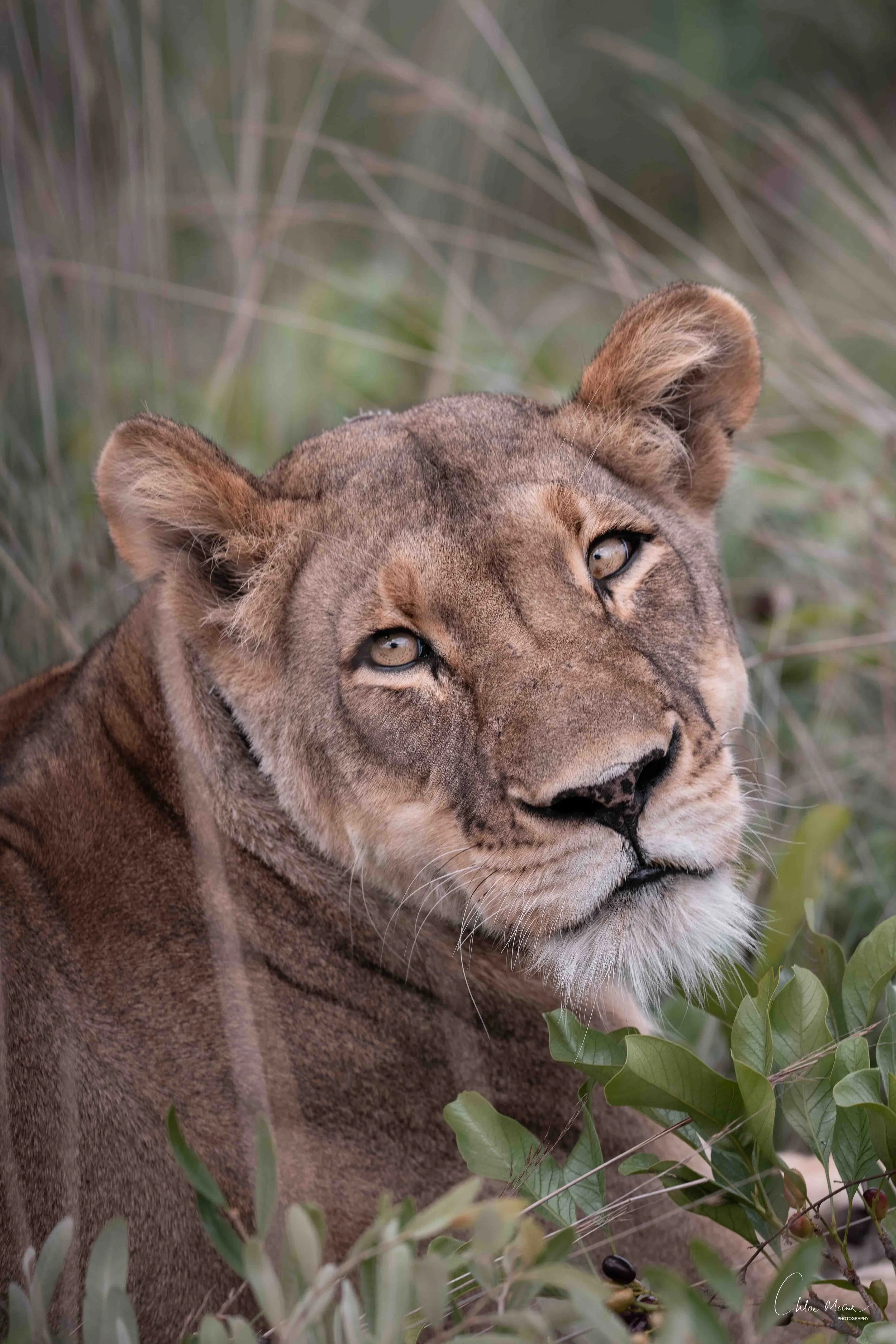
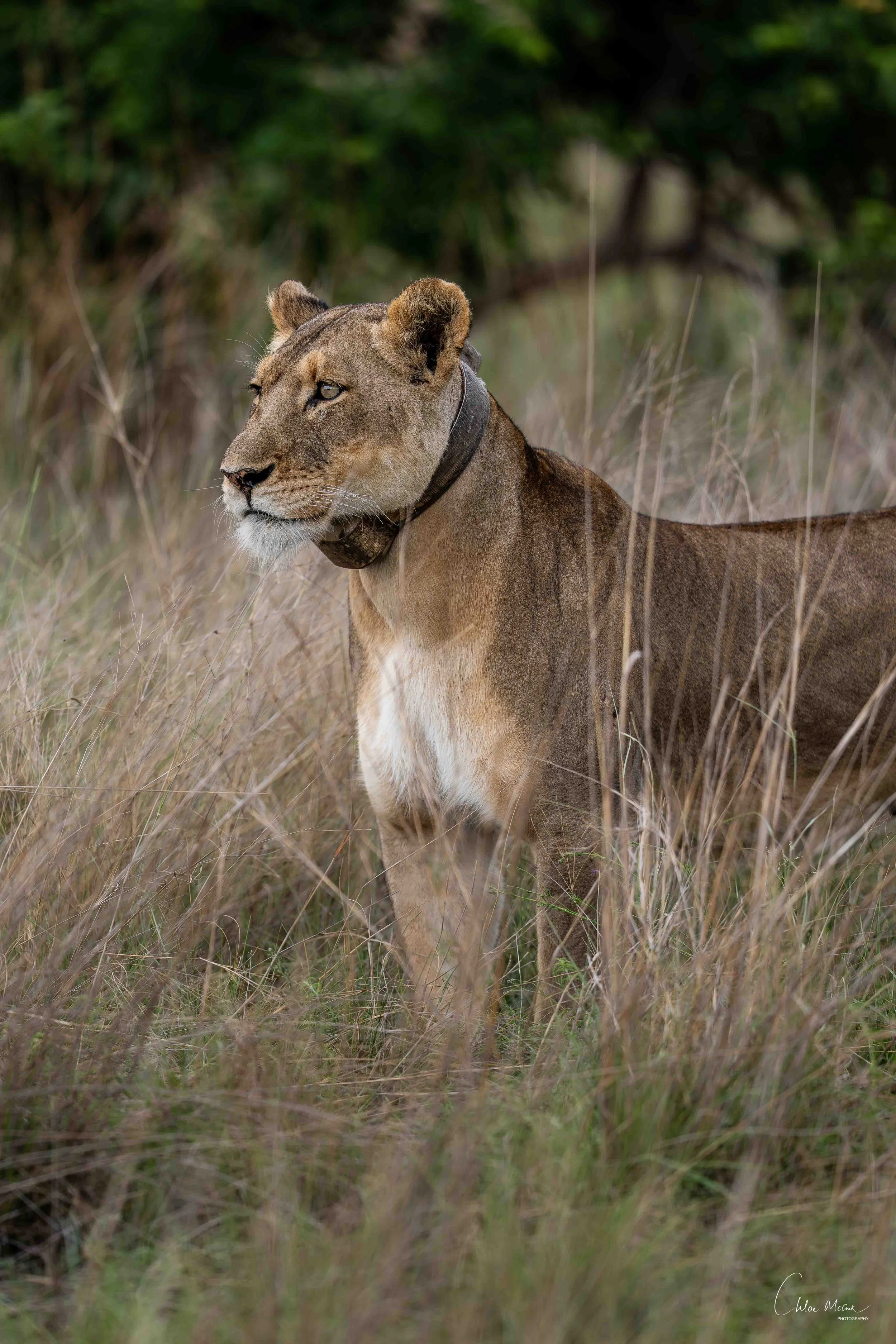
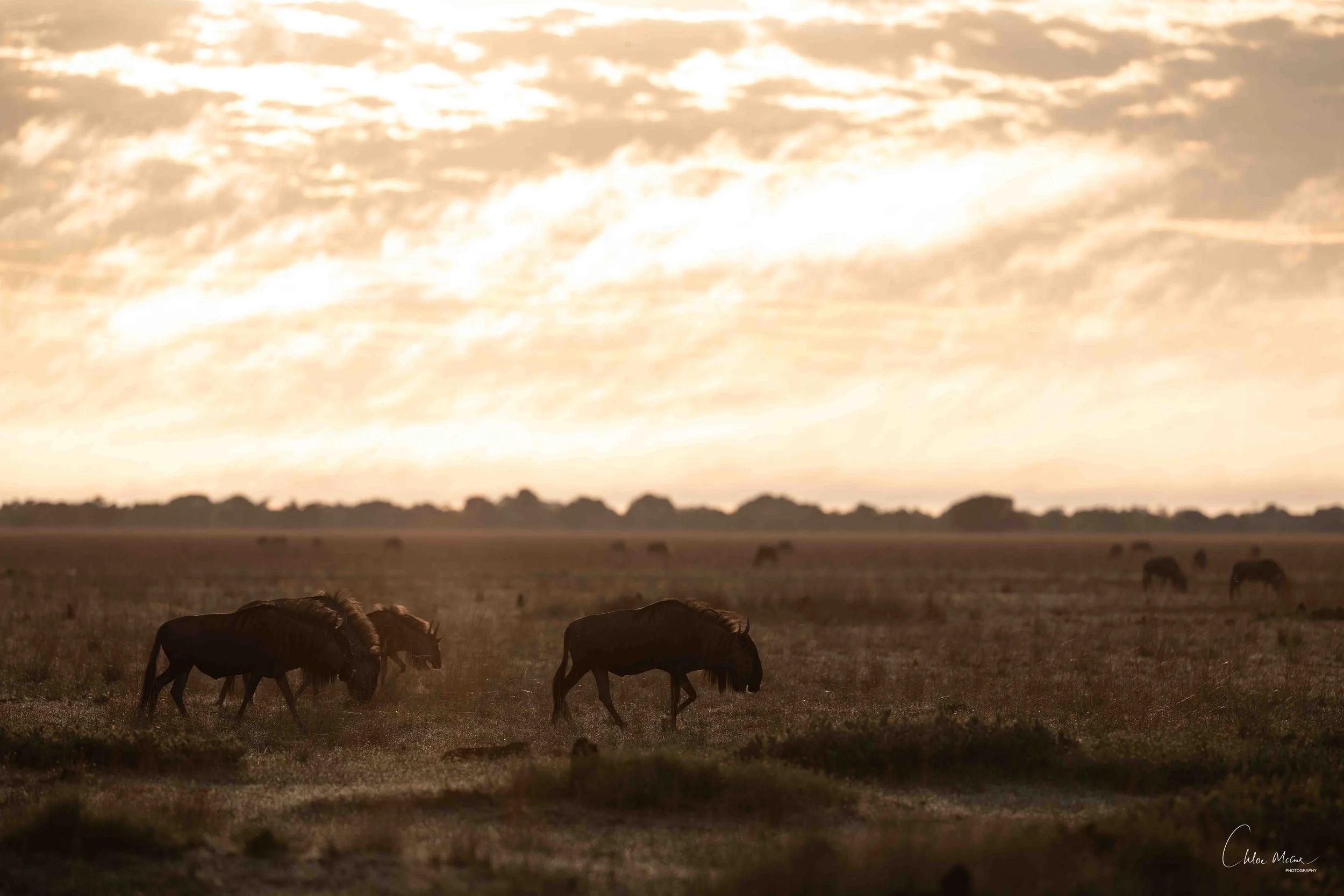
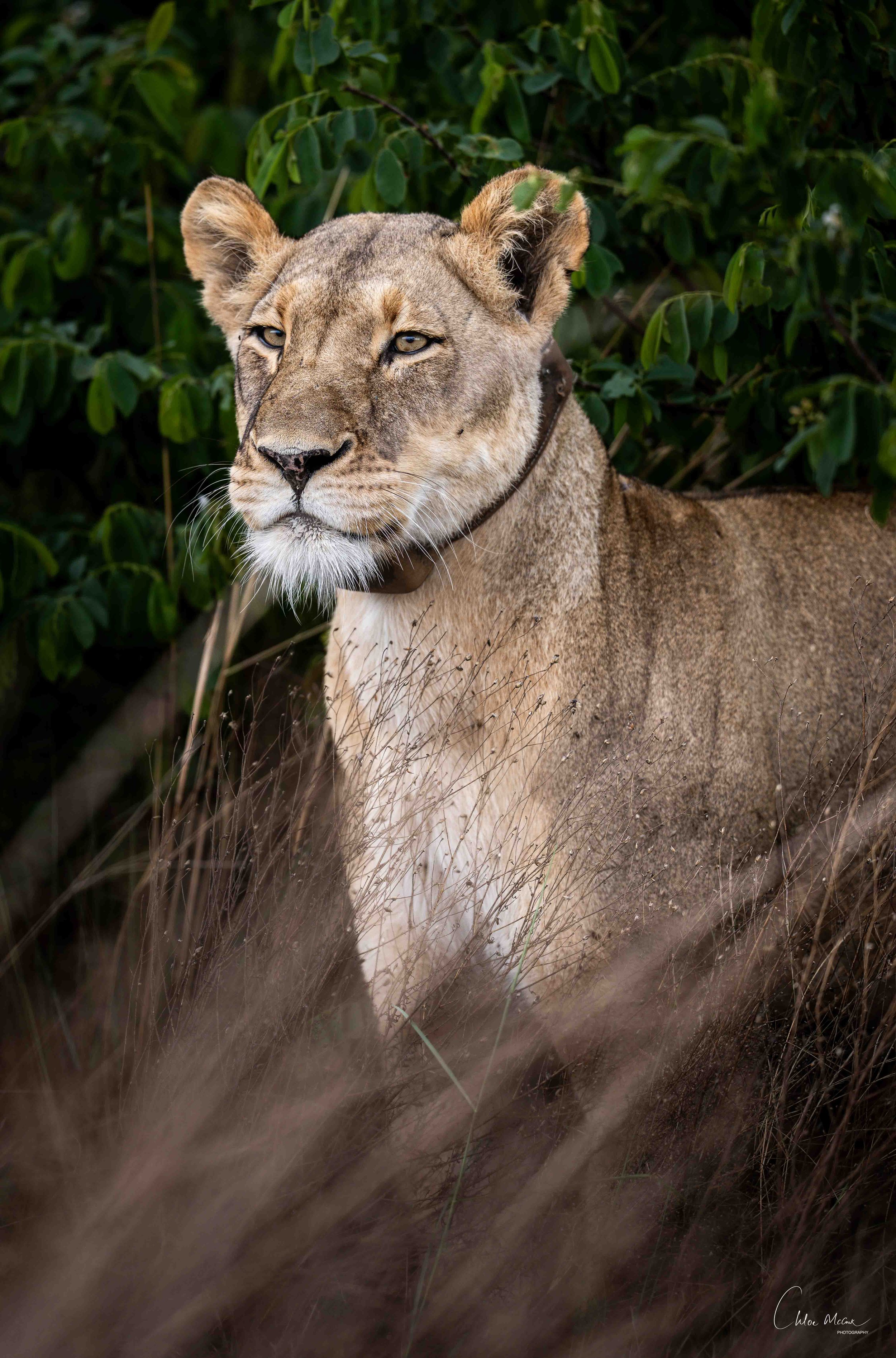
Living in Zambia in a national park you would think perhaps that on my leave I might wish to escape into the big cities and enjoy all that has to offer and every now and then yes, I love my seafood, some good wines etc however what I much prefer is to go an explore other areas of wildlife! And as I am currently living in Zambia it makes sense to see as much of it as possible whilst I am here. Don’t get me started on my long list of places to go however something that’s been on my bucket list for a while is Liuwa National Park. A relatively unknown NP (and therefore very appealing), it has long been the destination of only very high-end clients thanks to housing just one very expensive lodge and then overland campers. With African Parks taking over they have put in a mid-market lodge that makes this destination much more accessible as well as expanding the campsite offerings they have allowing hot showers and limited spaces for those that want to bring their own supplies! They even have some self-catering chalets which really opens the market to domestic and international tourism. Liuwa NP is perhaps known for having the second largest wildebeest migration in Africa, yes, it is not just between the Serengeti & Masai Mara! Whilst there is not the exciting and carnivorous river crossing it is a chance to see large herds of wildebeest on the move which brings with it the excitement of tailing carnivores. Liuwa is also well known for its lion population with arguable some of Africa’s most famous lions, including Lady Liuwa. Her story of perseverance and resilience is one we can all take lessons from and the reason I wanted to come to the park. Ever on the chase of strong independent women, she was the last remaining lion in the park after it was decimated by poaching and hunting and roamed the plains by herself for years. You may know that lions usually hunt in prides, the females taking the brunt of the hard work and so to bring by prey by herself in plains where ambushing is incredibly hard, shows the depth of her resilience and hunting skills. Eventually finding companion in humans in 2002, following the camps of the African Park’s staff sleeping alongside their tents. After years of solitary existence more lions were carefully re-introduced, and she was finally able to be part of a pride again in 2011. It was not without difficulty with one translocated male dying in transit, a female who died from poacher’s snares and Lady Liuwa’s infertility however in 2012 she was successfully partnered with Sepo, who had cubs and she finally was part of a family…. For anyone that has followed my story you can probably put the pieces together why I would want to follow this lioness. Lady Liuwa lived to approximately 17 years old which is an incredible feat for a wild lion and died of natural causes. She passed in 2017 which is the exact year I moved to Malawi where her story filled me with hope. Whilst I never got to see her alive, it was a great moment to see her offspring and legacy.
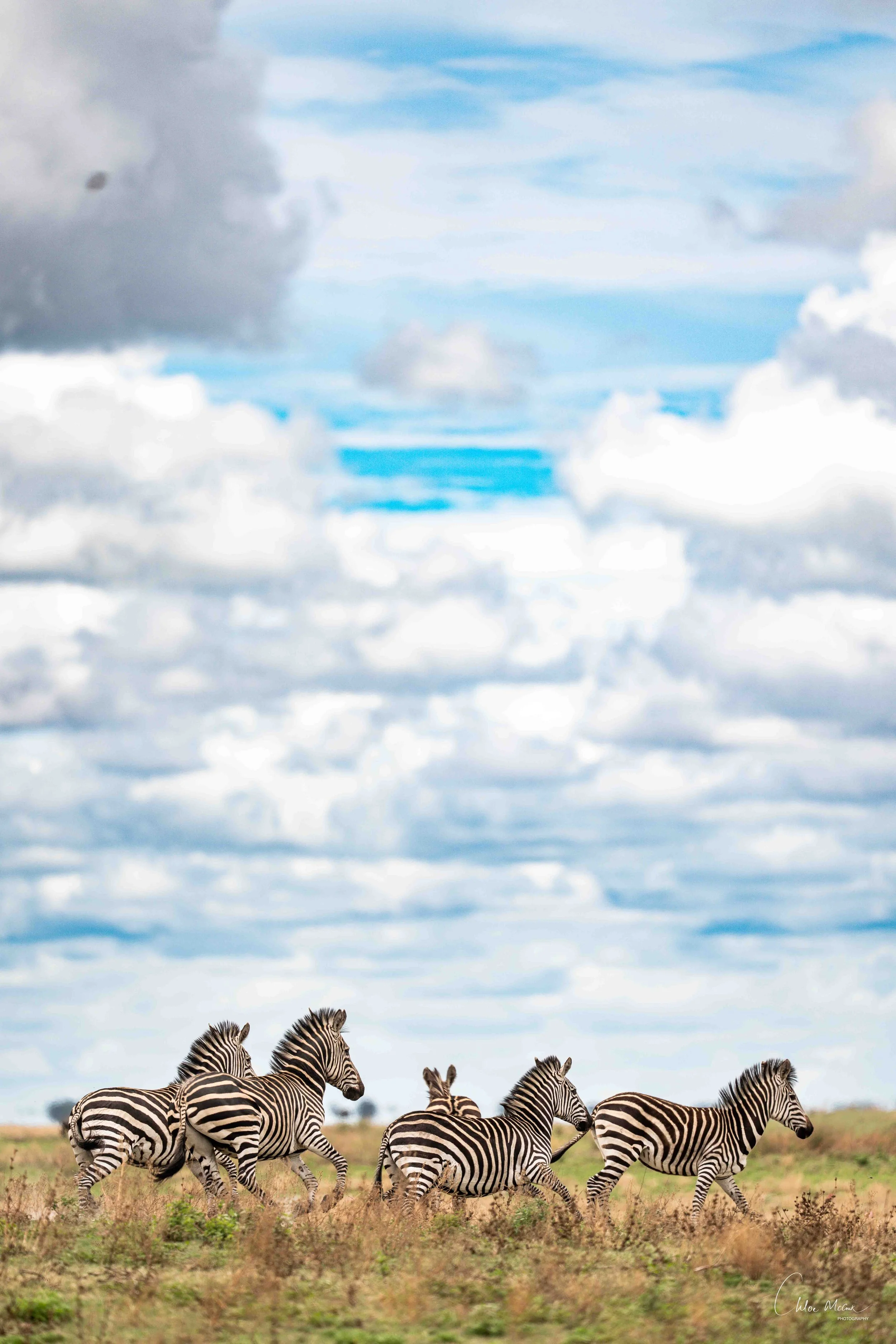
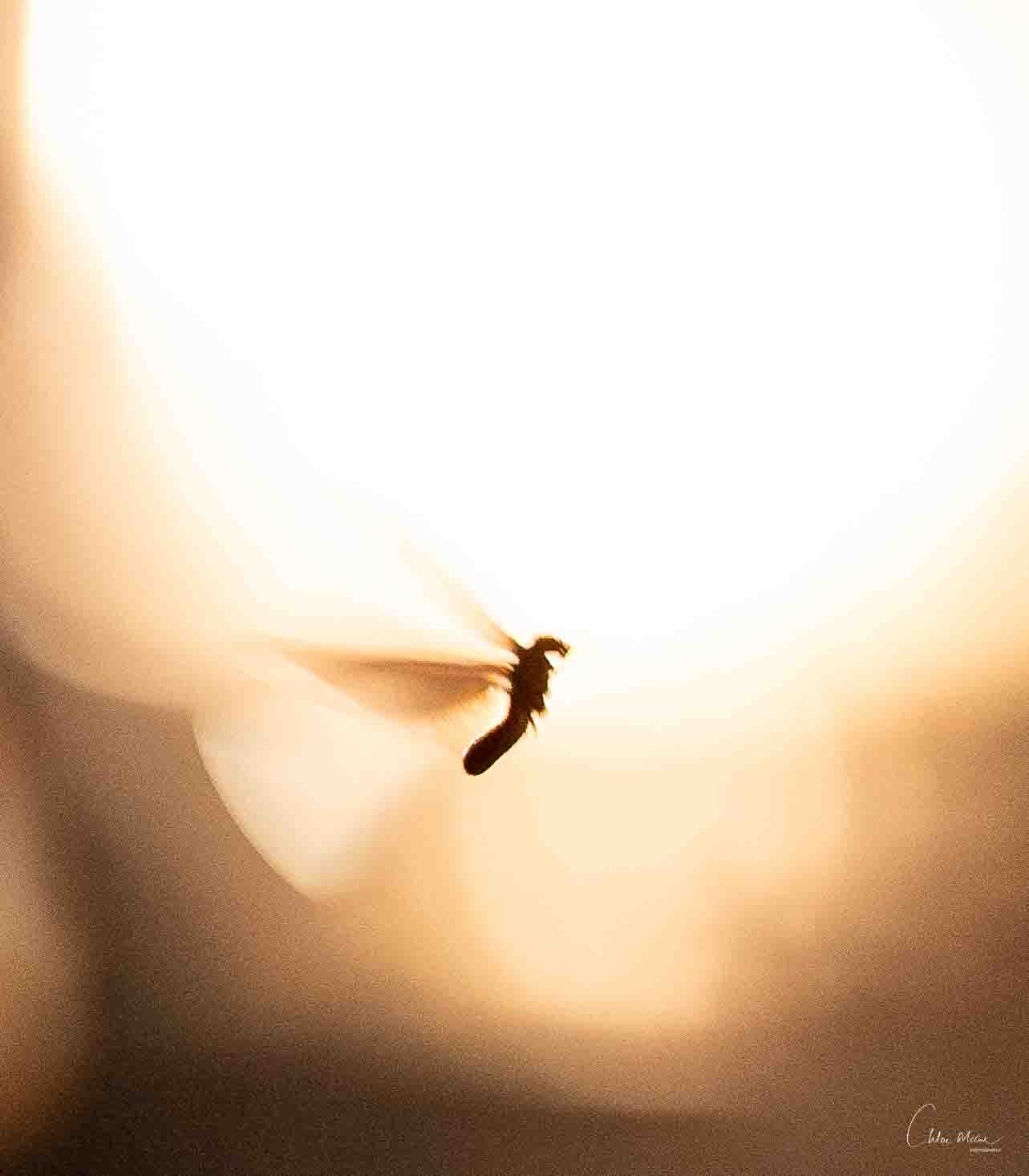
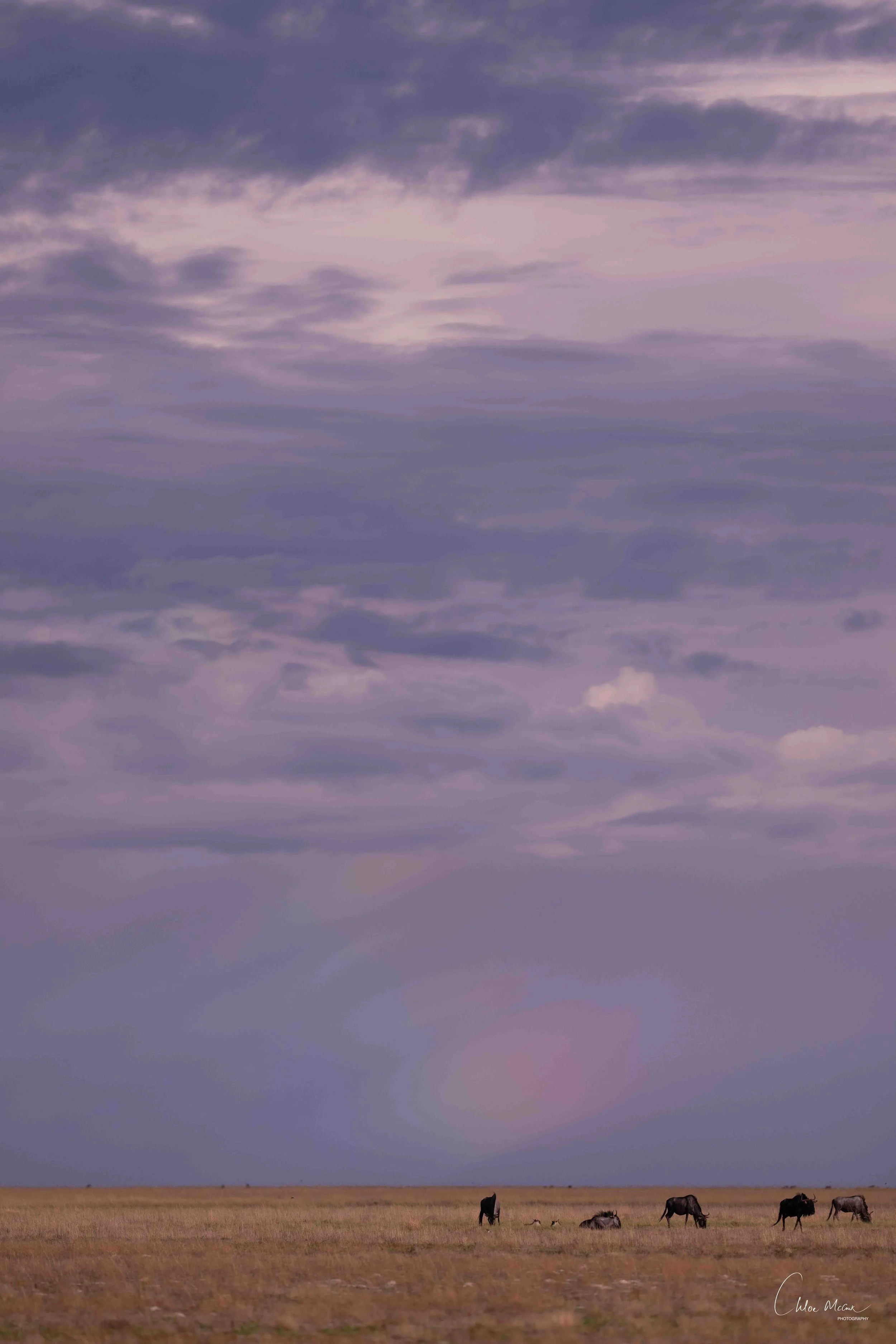
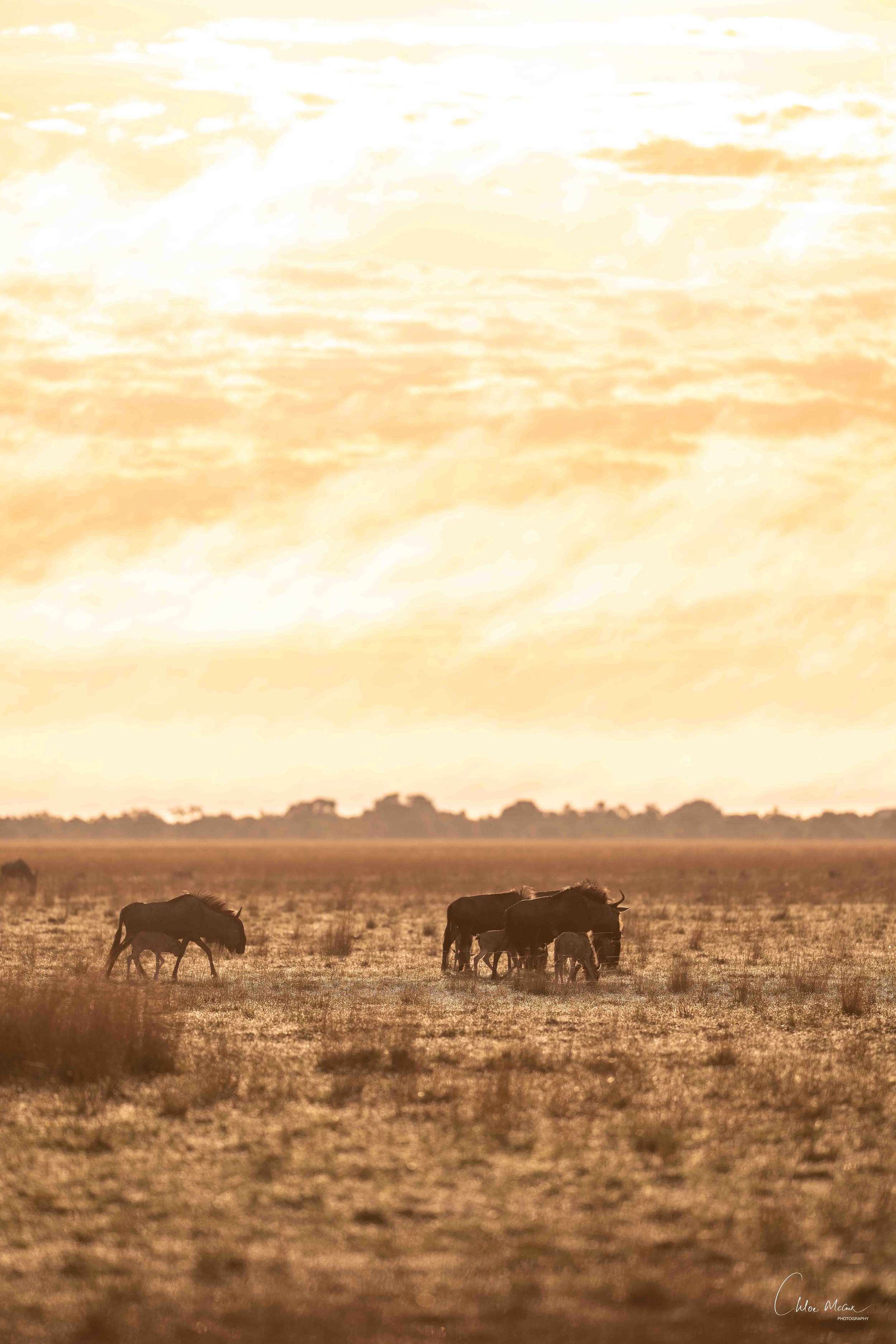
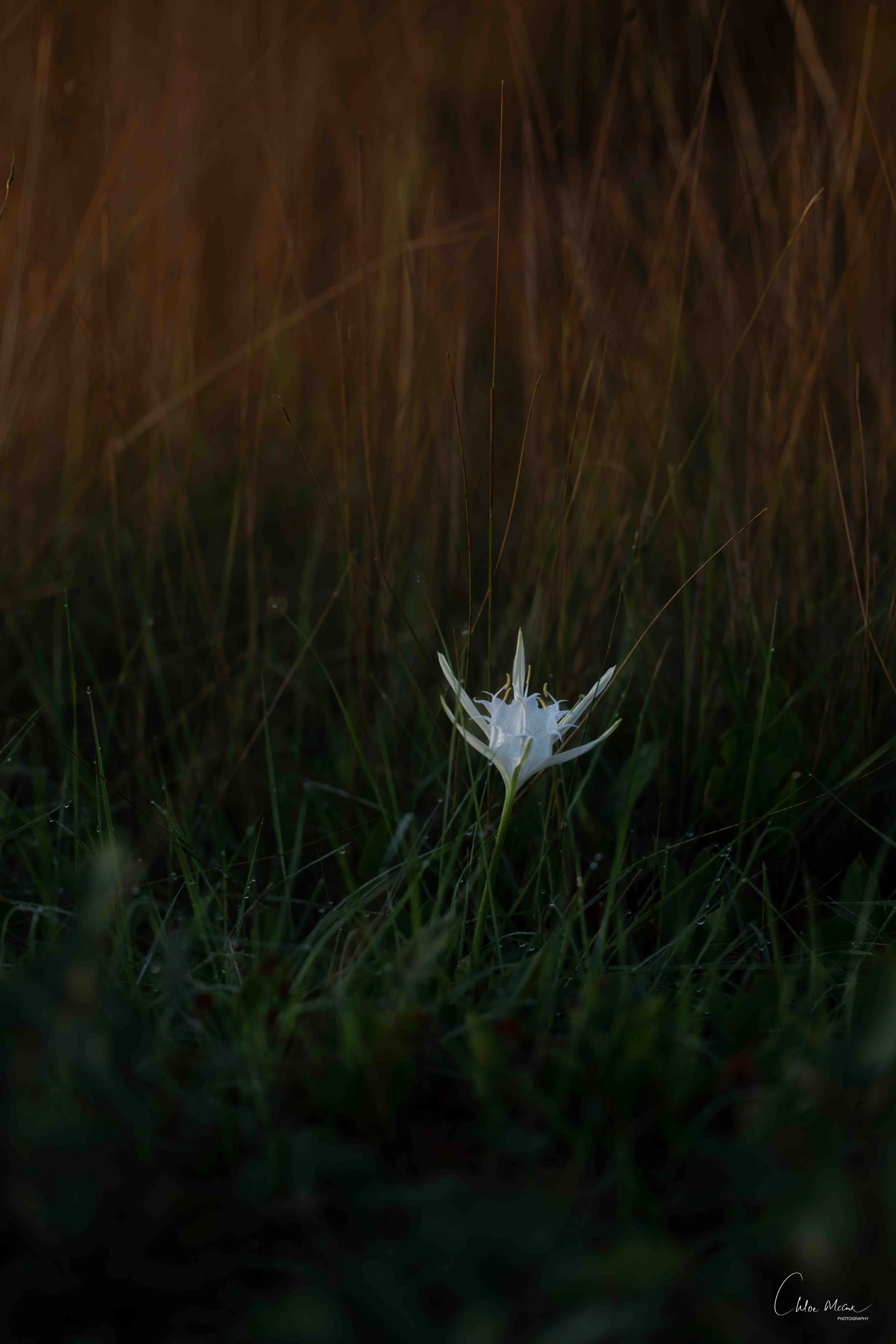
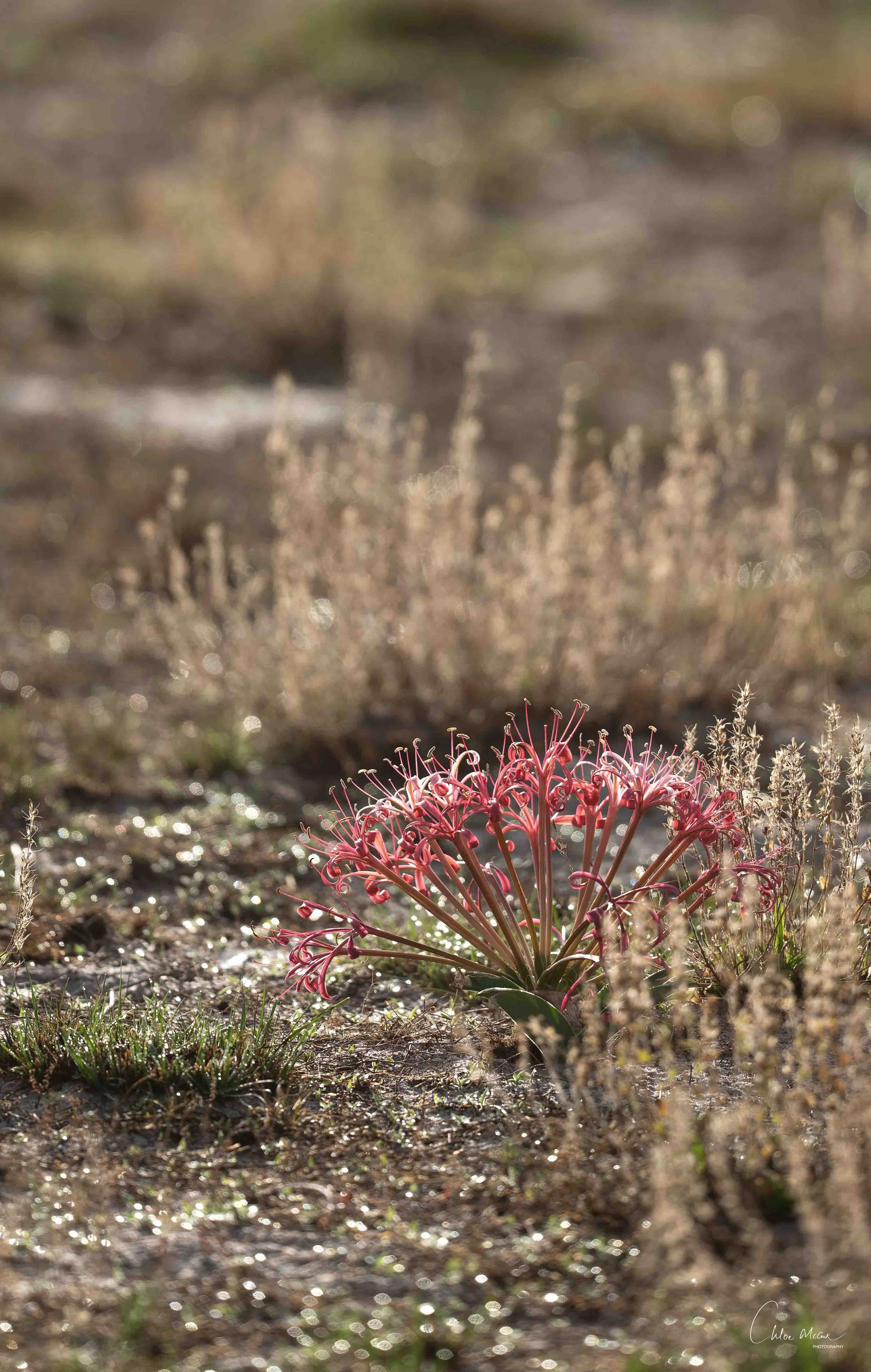
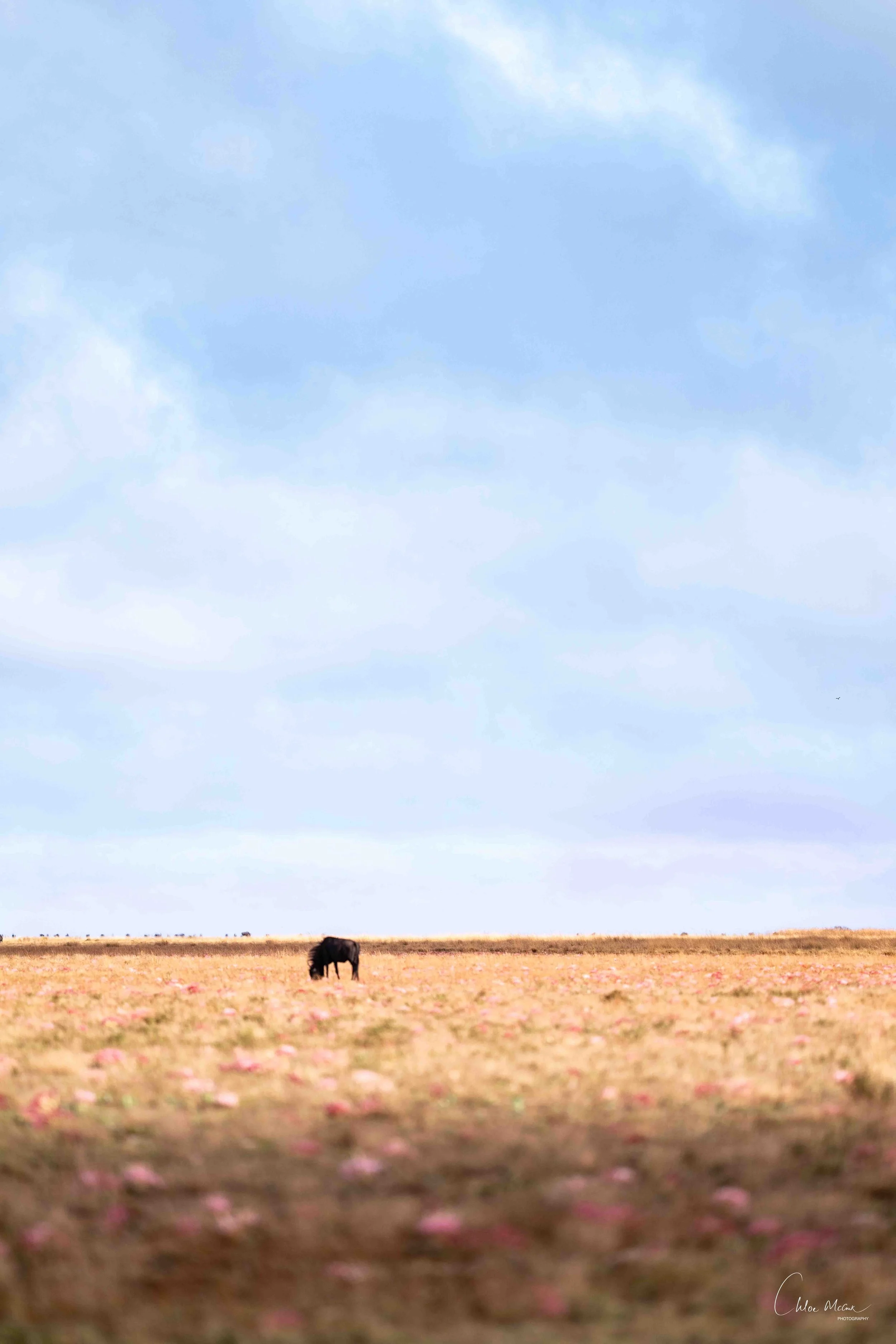
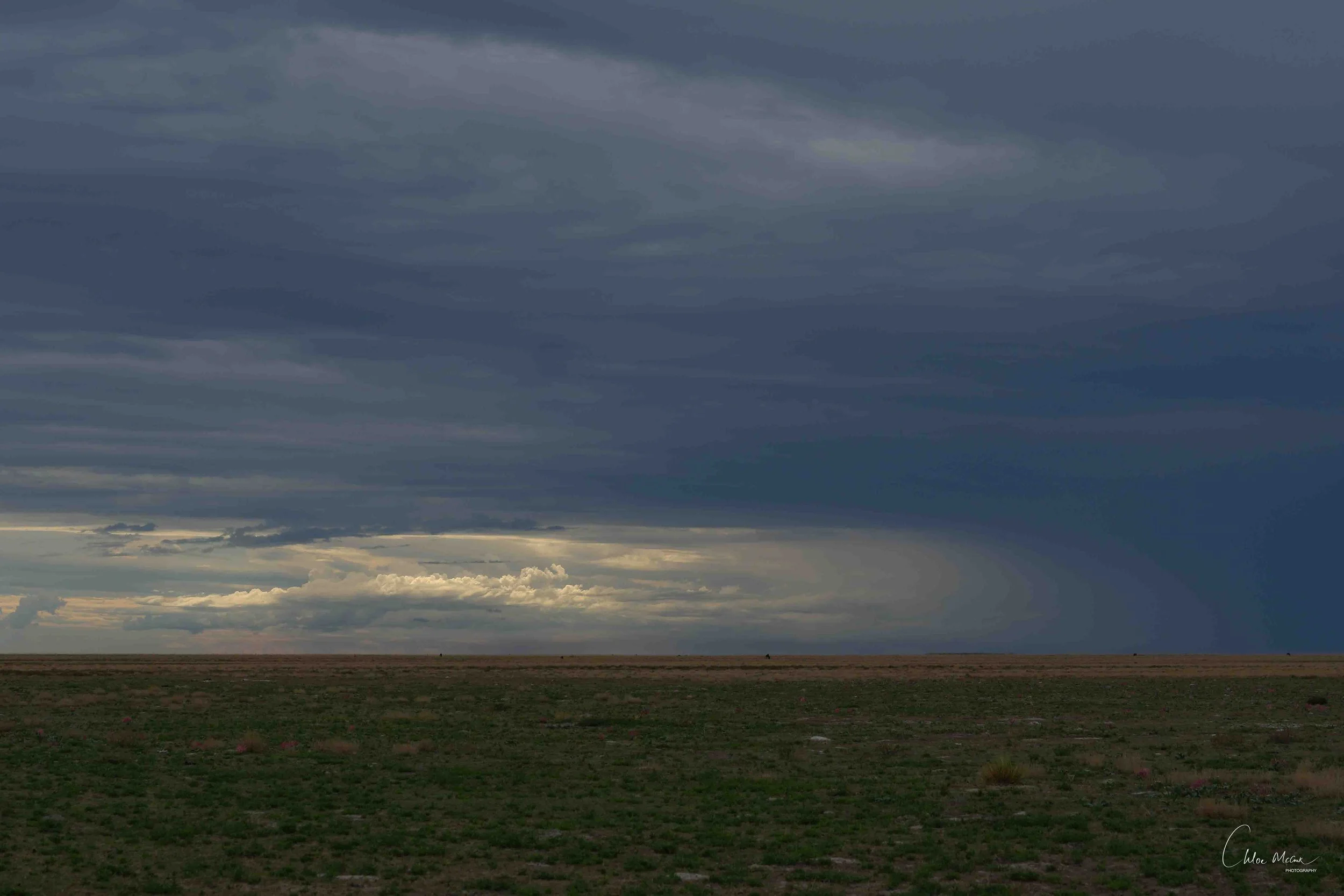
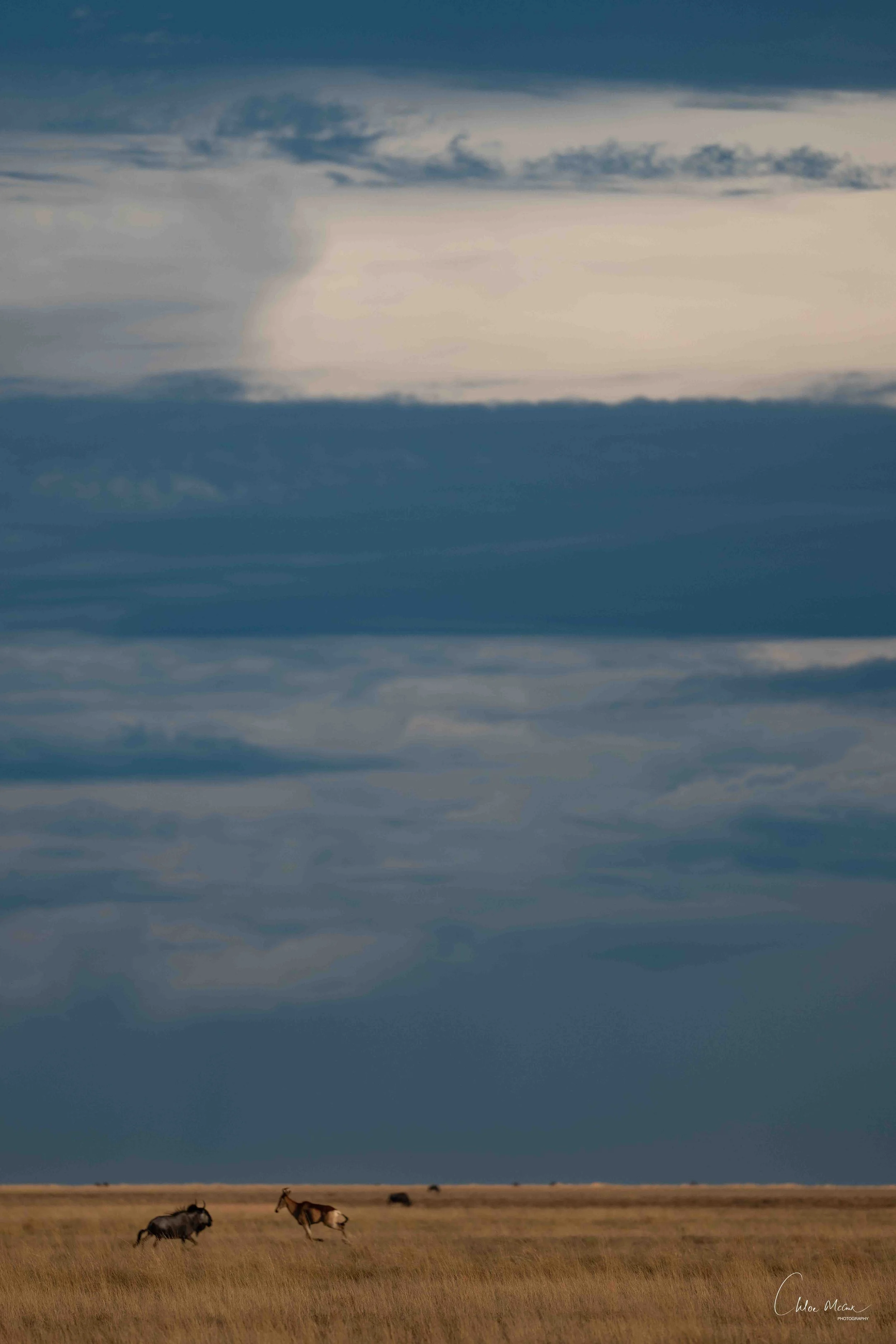
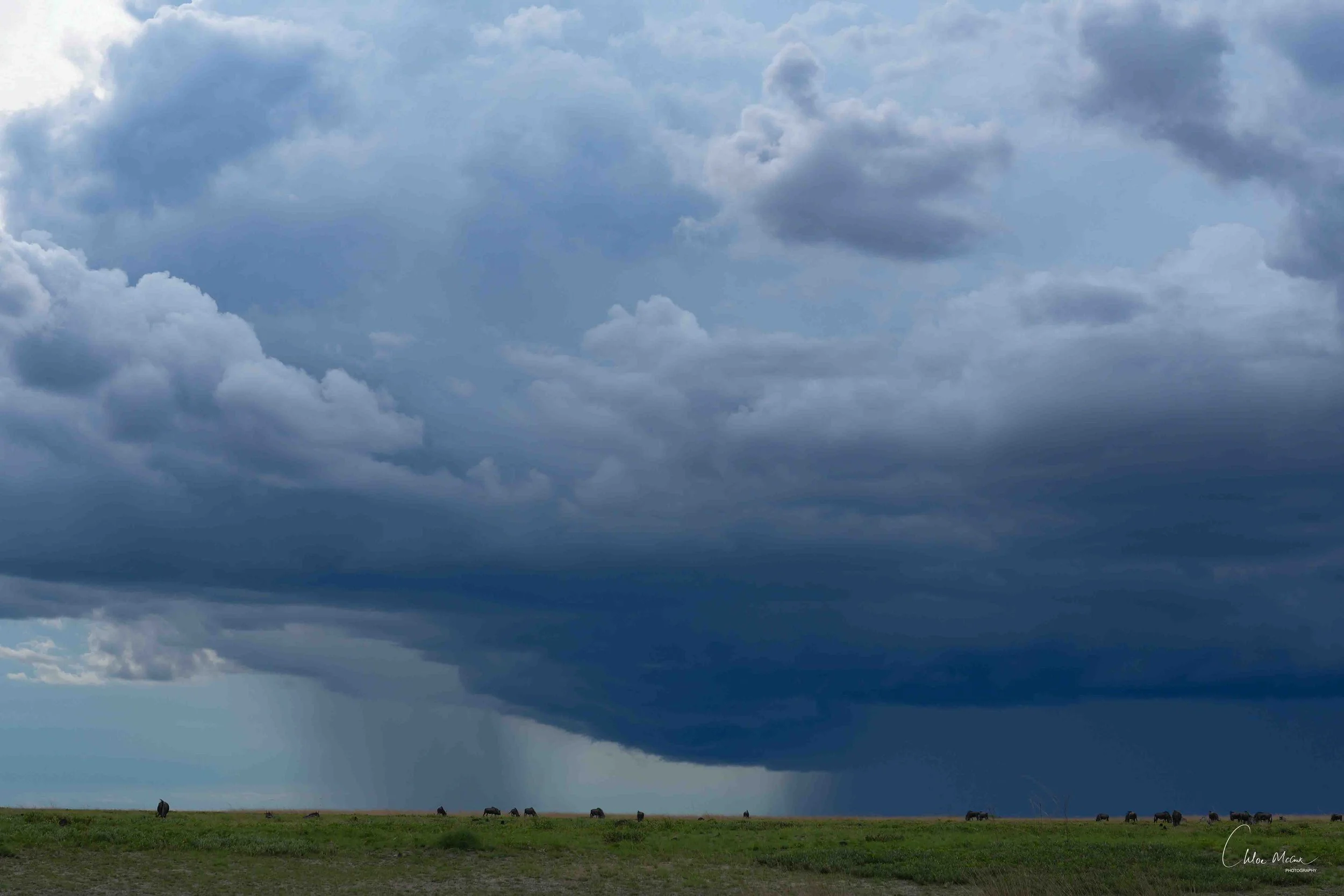
The wildebeest migration is in November, which is when the first rains come to Zambia, always a chaotic time of year as the dust turns to mud it was an incredible chance to see the blossom of wildflowers in the park and see the brown turn to green. It is the small details that sometimes make the big differences. Photographically this was the backdrop I wanted and although perhaps we were a week too early for the big bloom, we also narrowly avoided having to evacuate due to floods… I am never one to turn down a challenge and even getting to Liuwa had its moments (thank you to my old and not gold Toyota Prado) but as ever in Africa, you “make a plan” and a very generous friend lent me his more reliable car. I am a firm believer in everything happening for a reason and although it was a bit touch and go to get there, we managed to see the aftermath of a wild dog kill as we drove through Kafue, a herd of sable, lots of birds of prey feasting on the roadkill which sadly included a jackal and made it just in time for dinner in Liuwa from Lusaka.
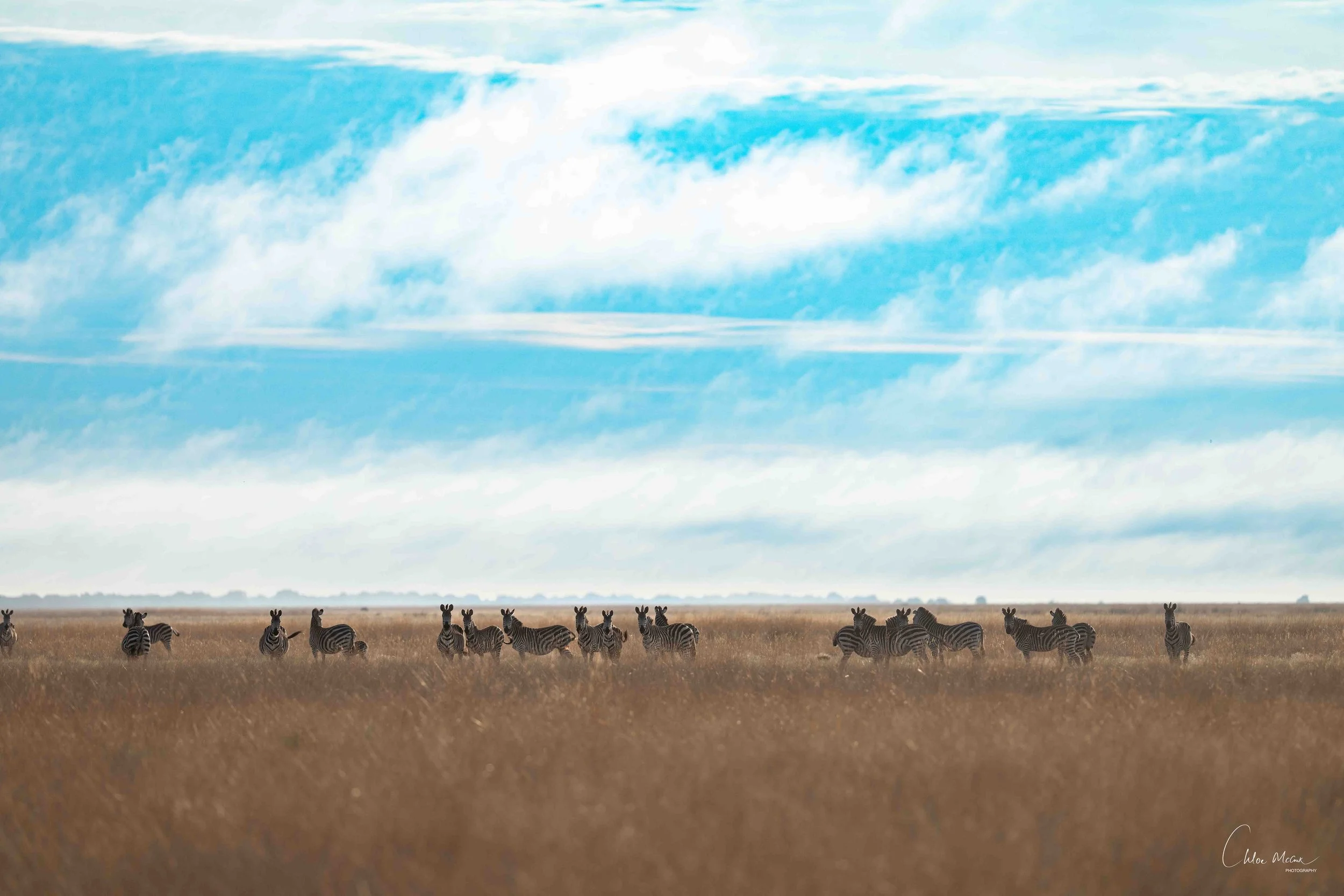
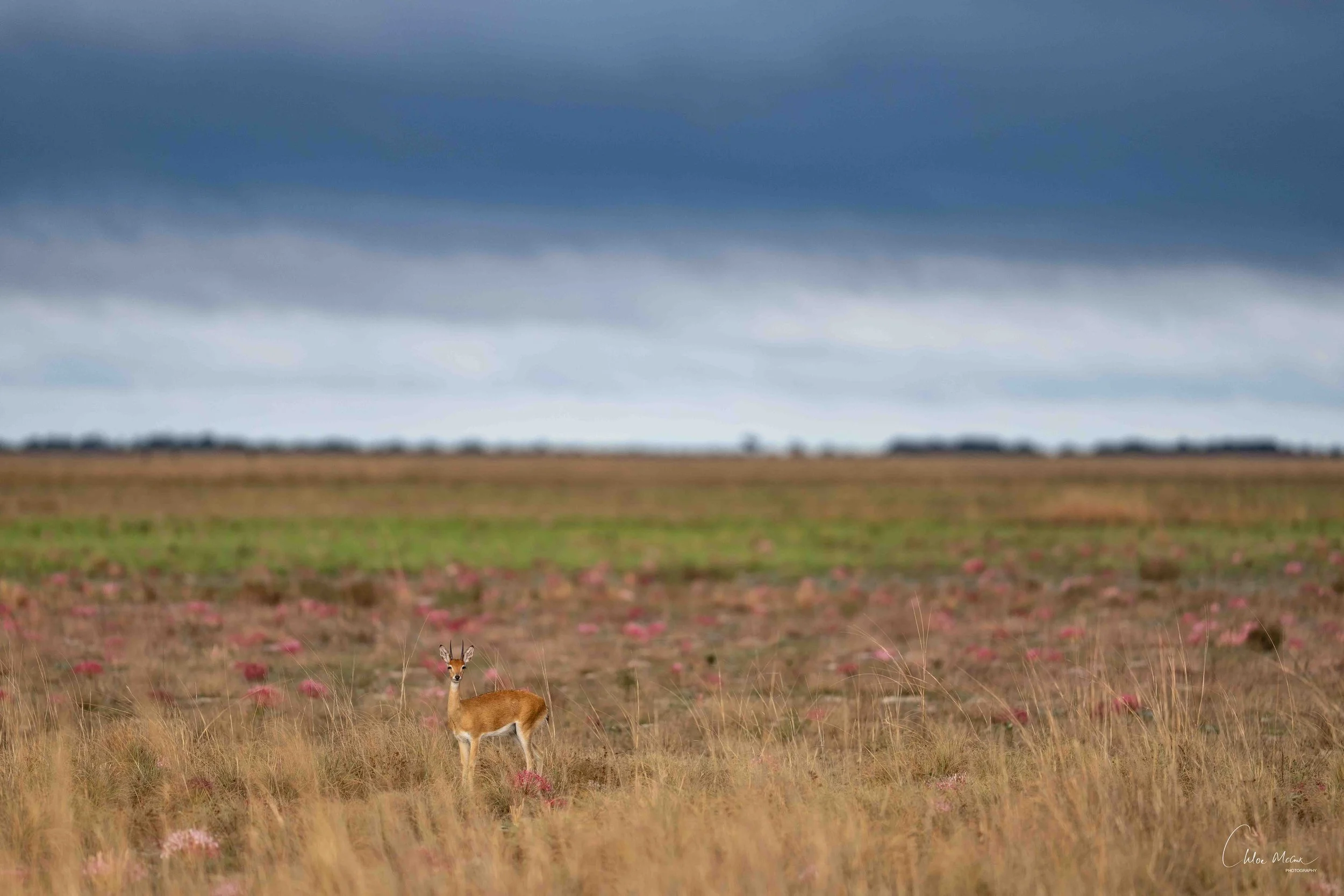
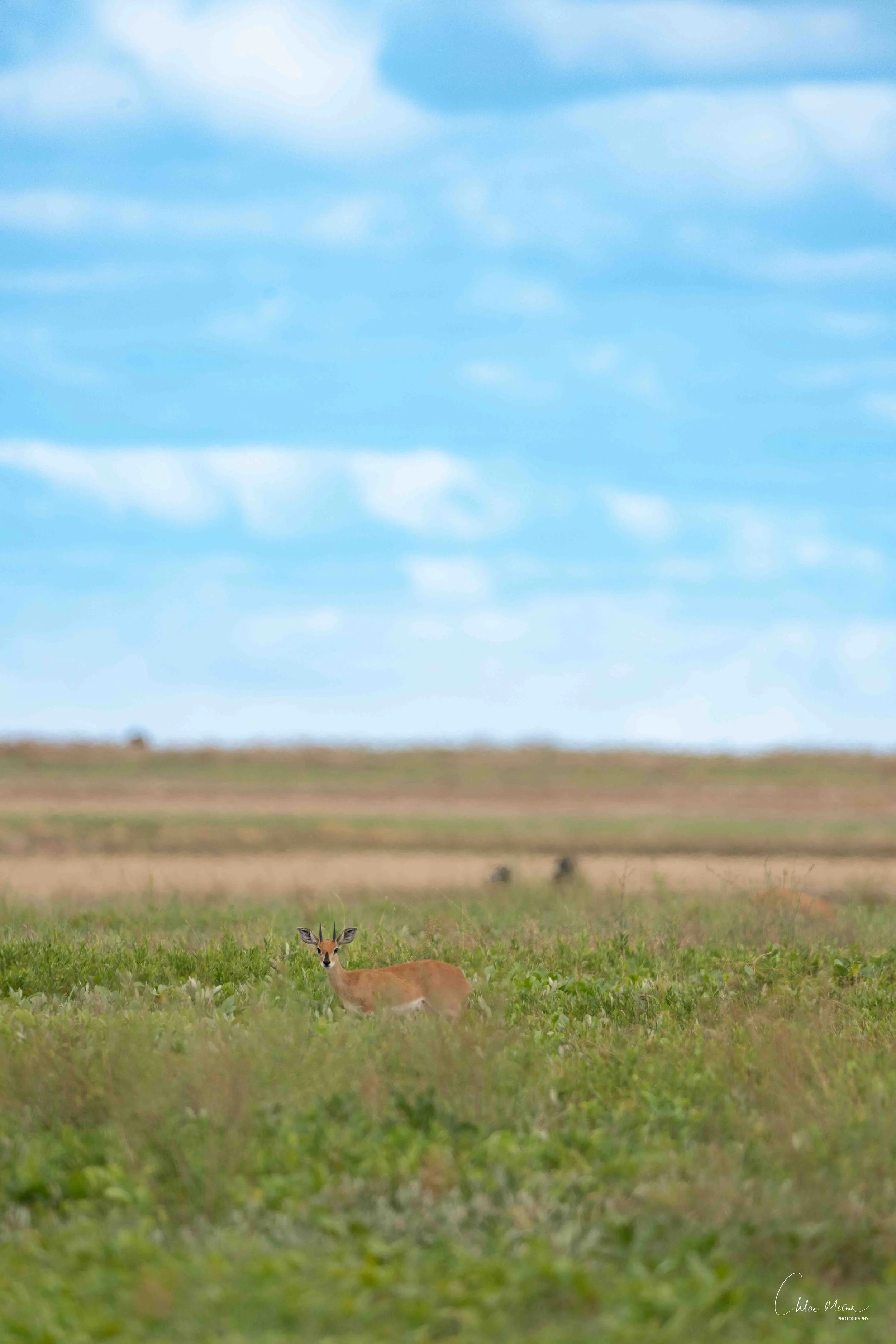
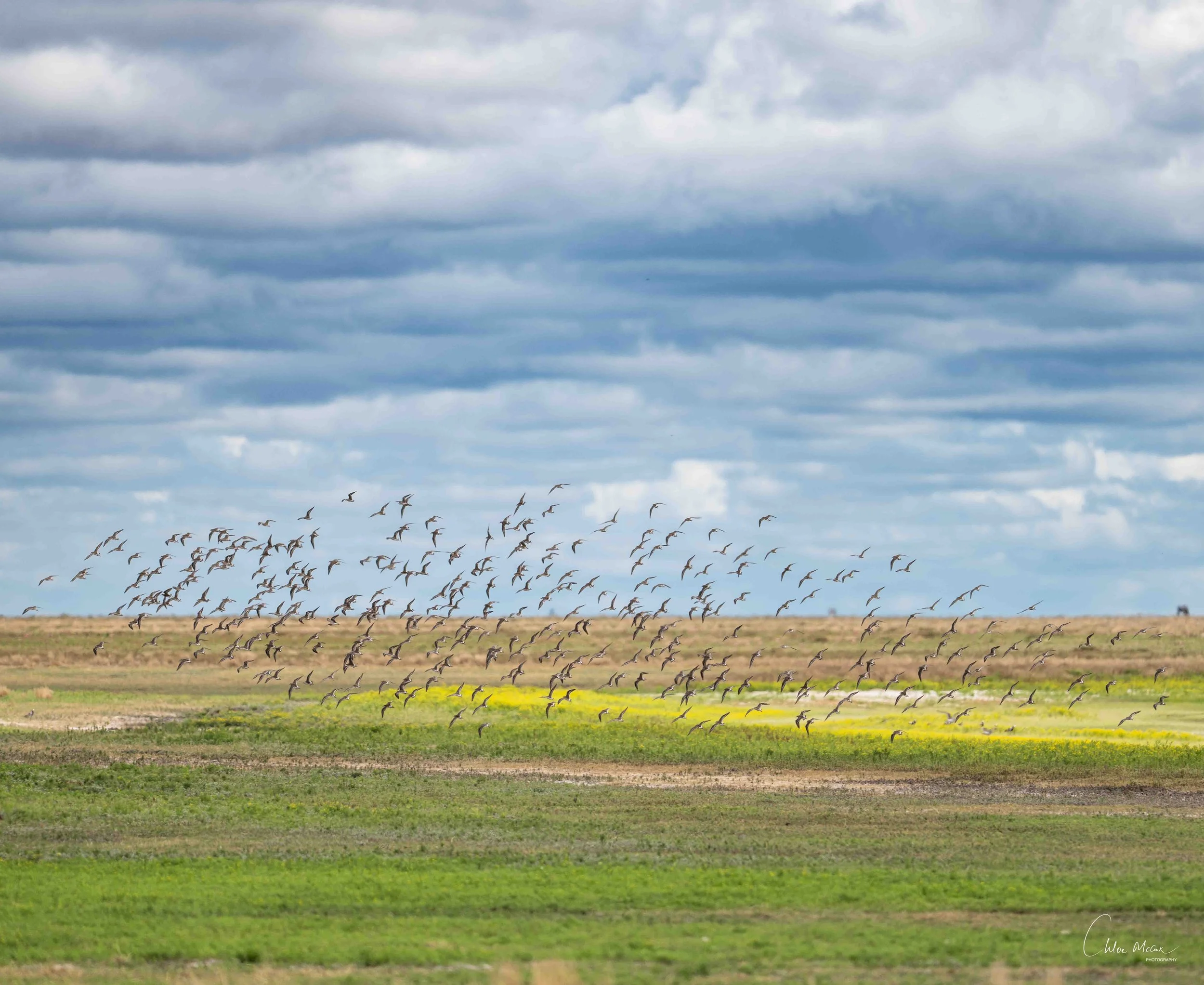
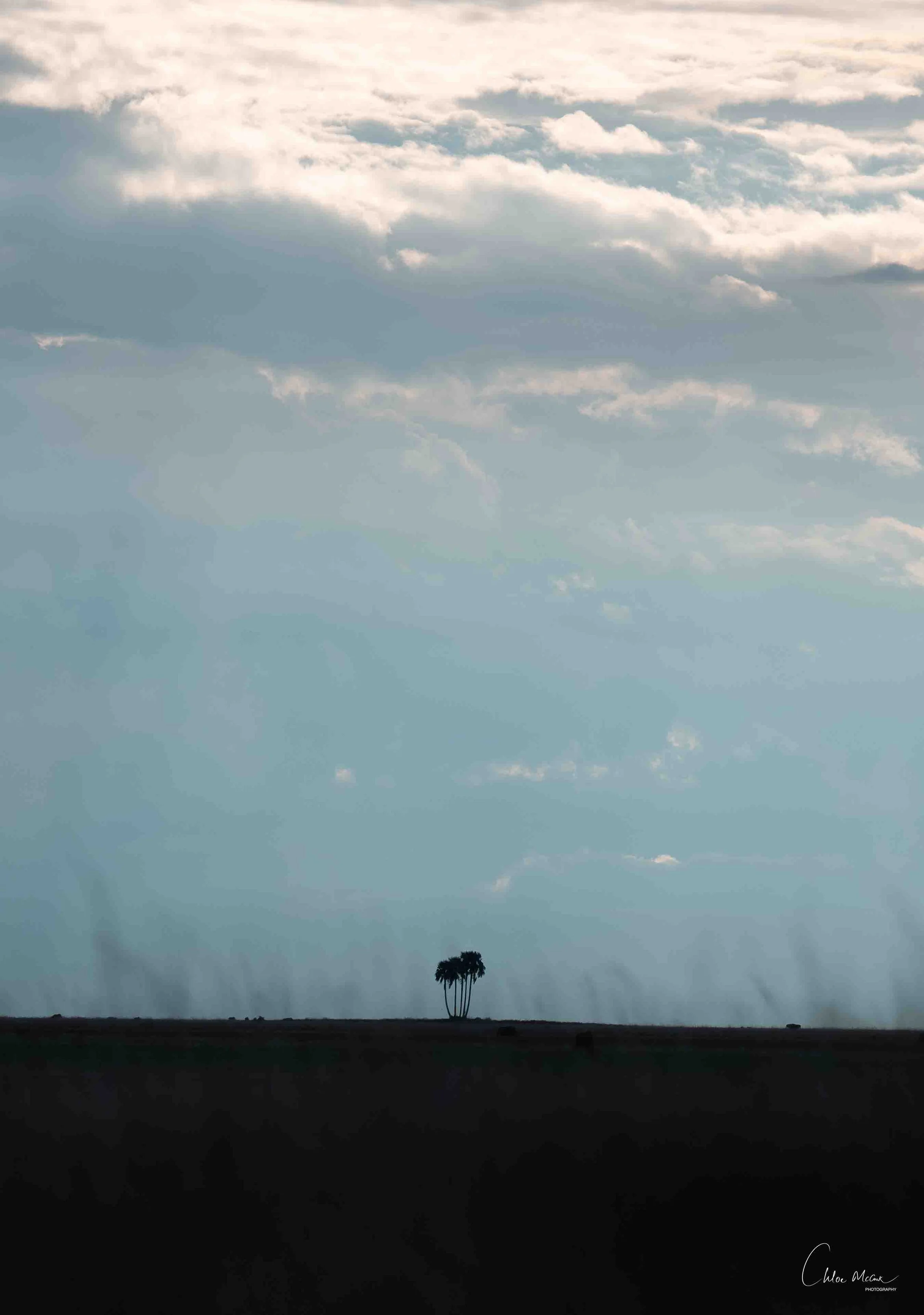
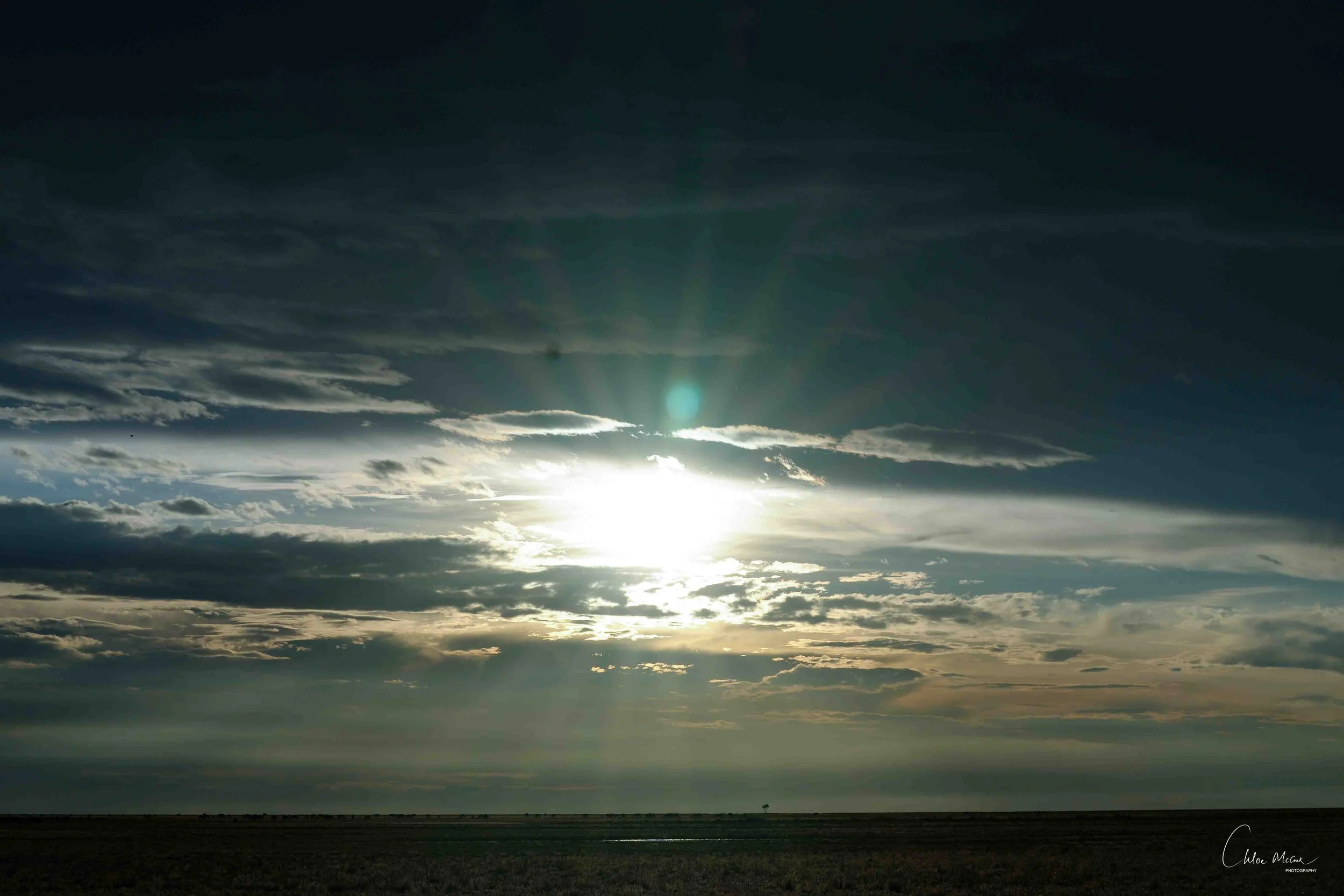
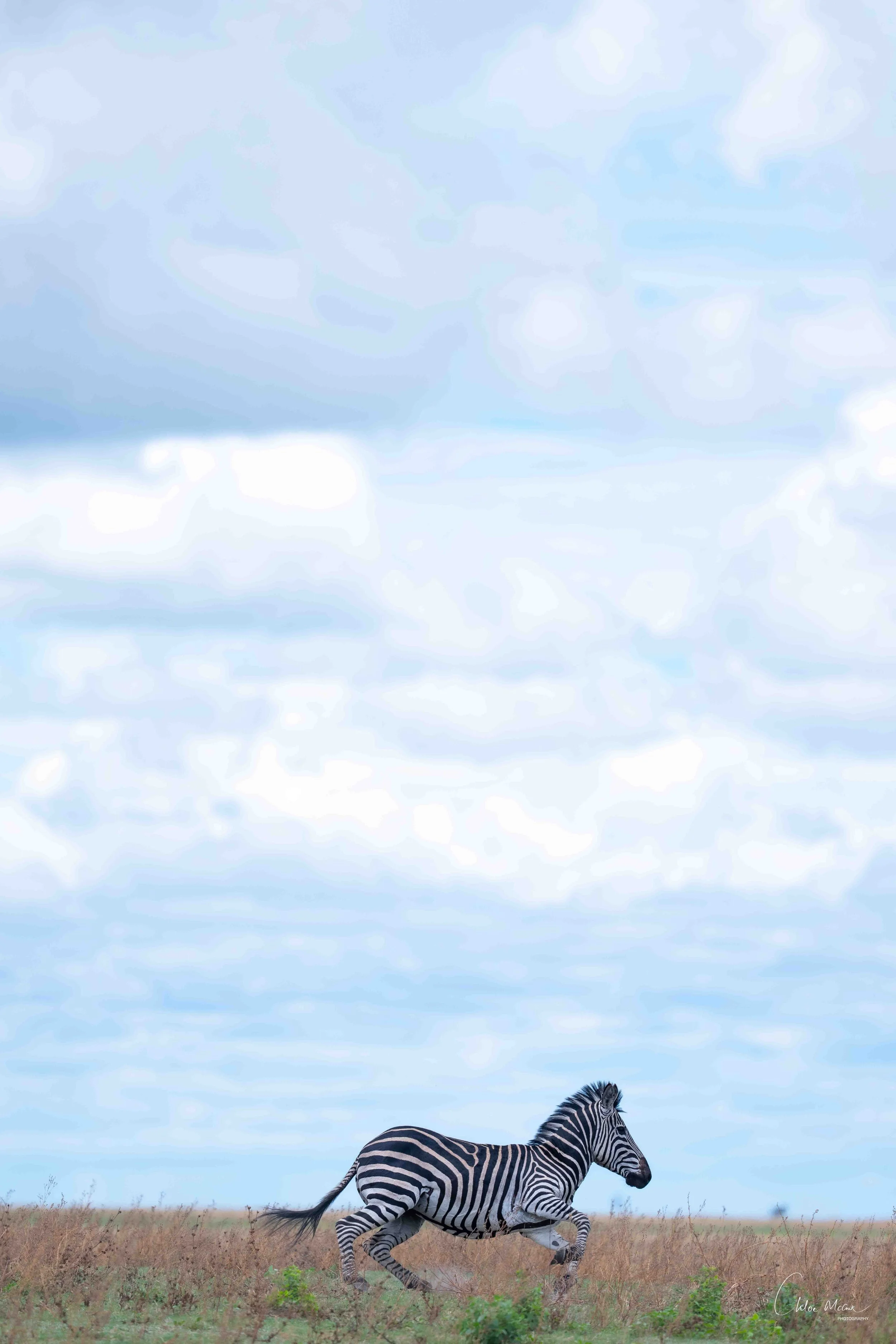
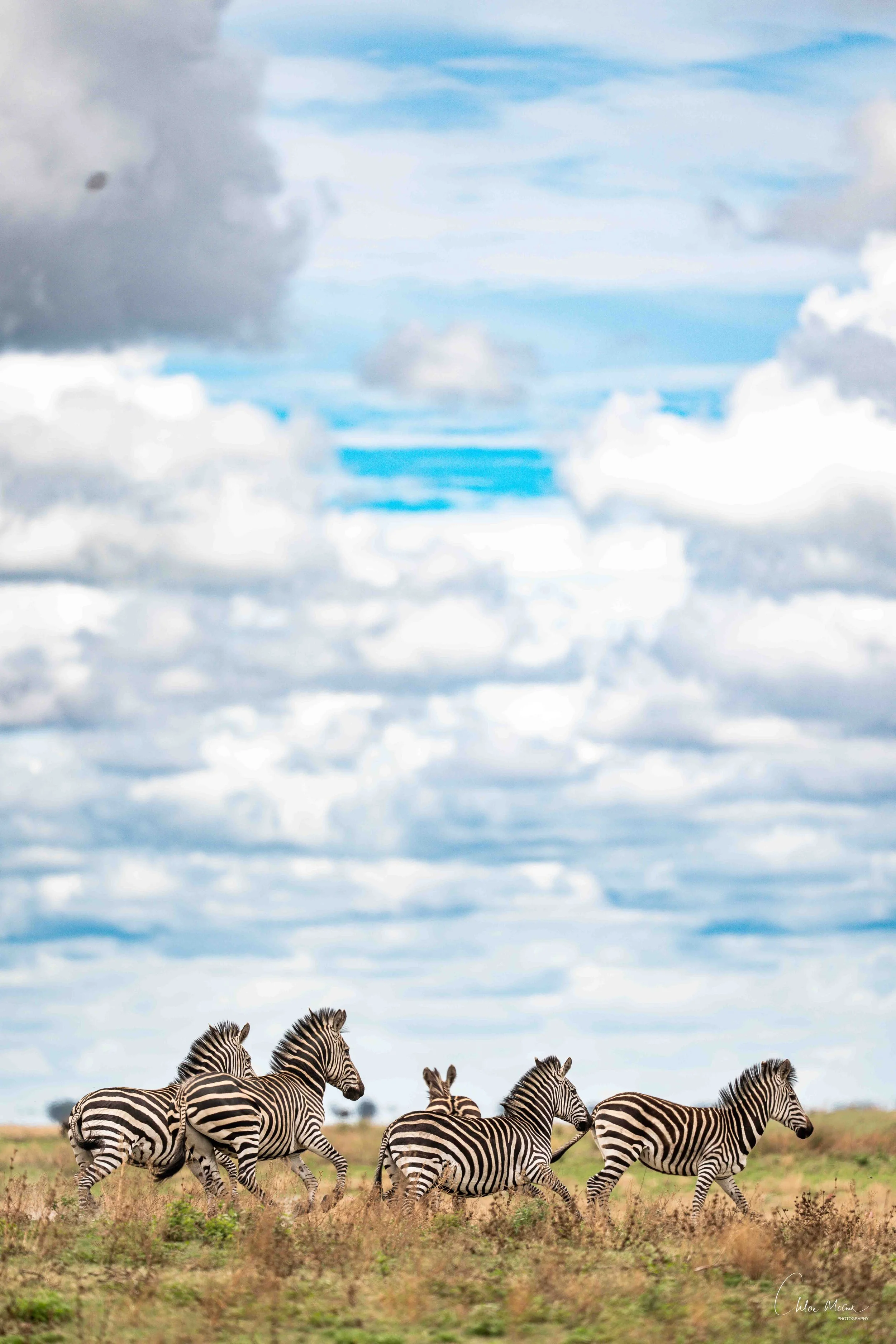
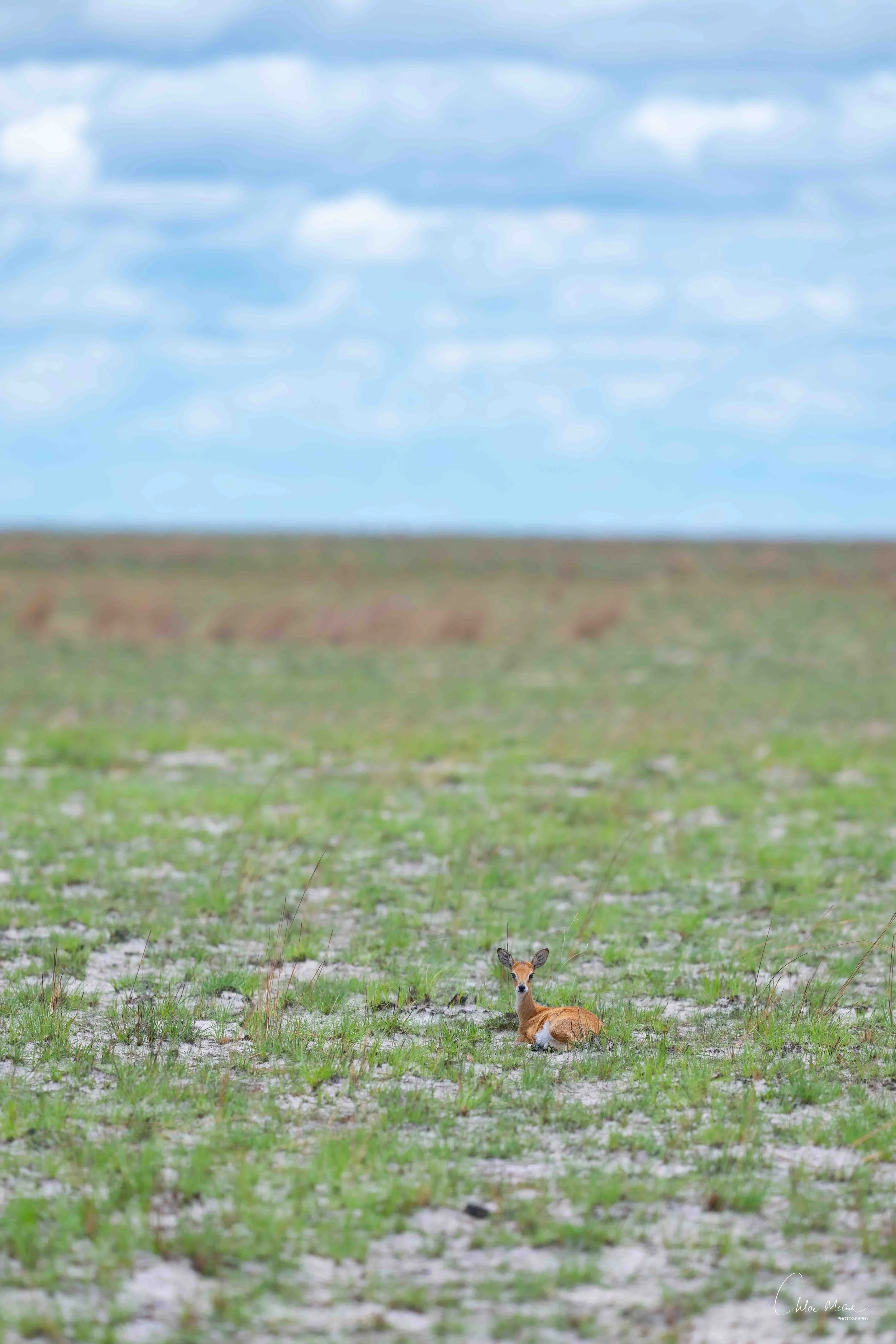
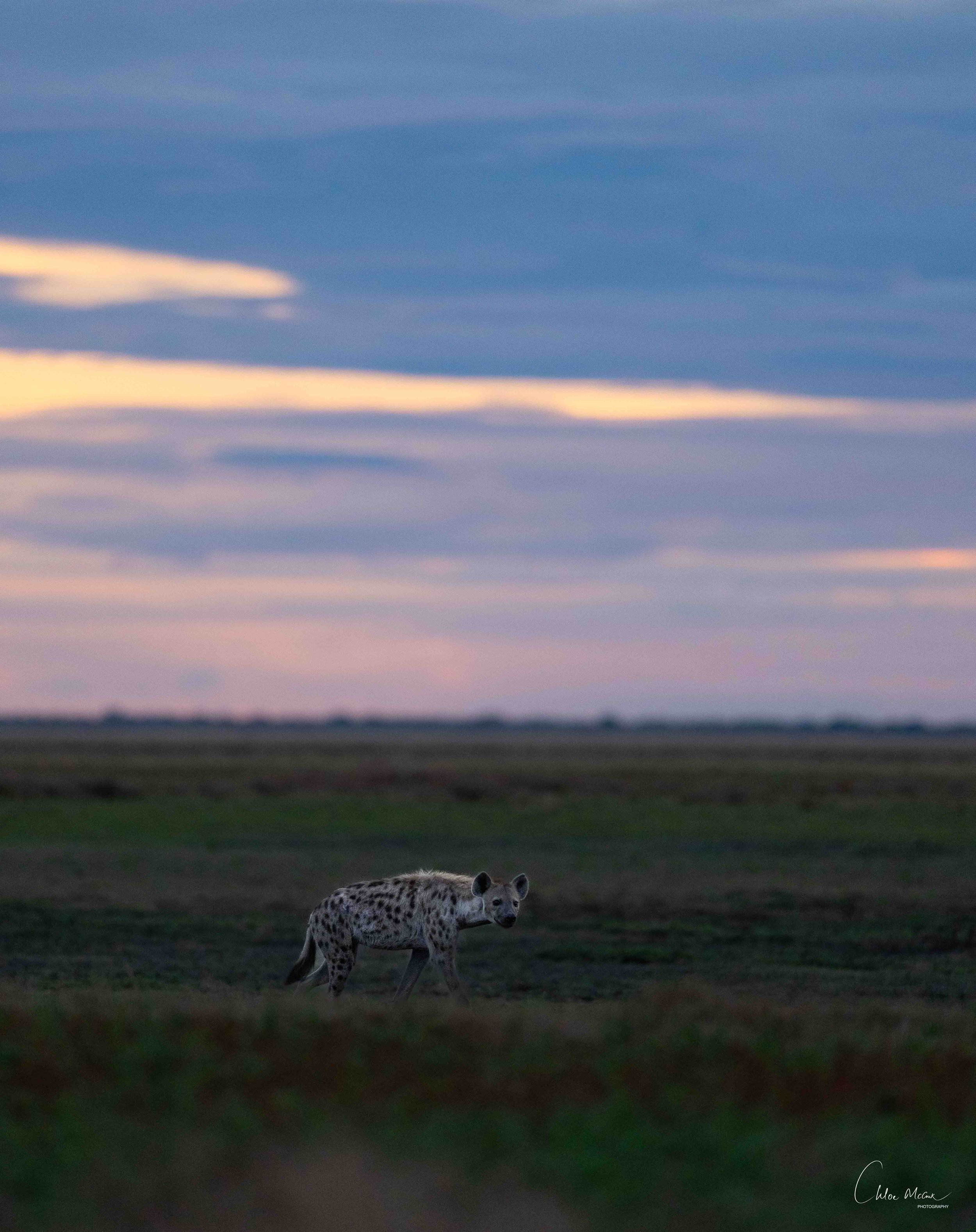
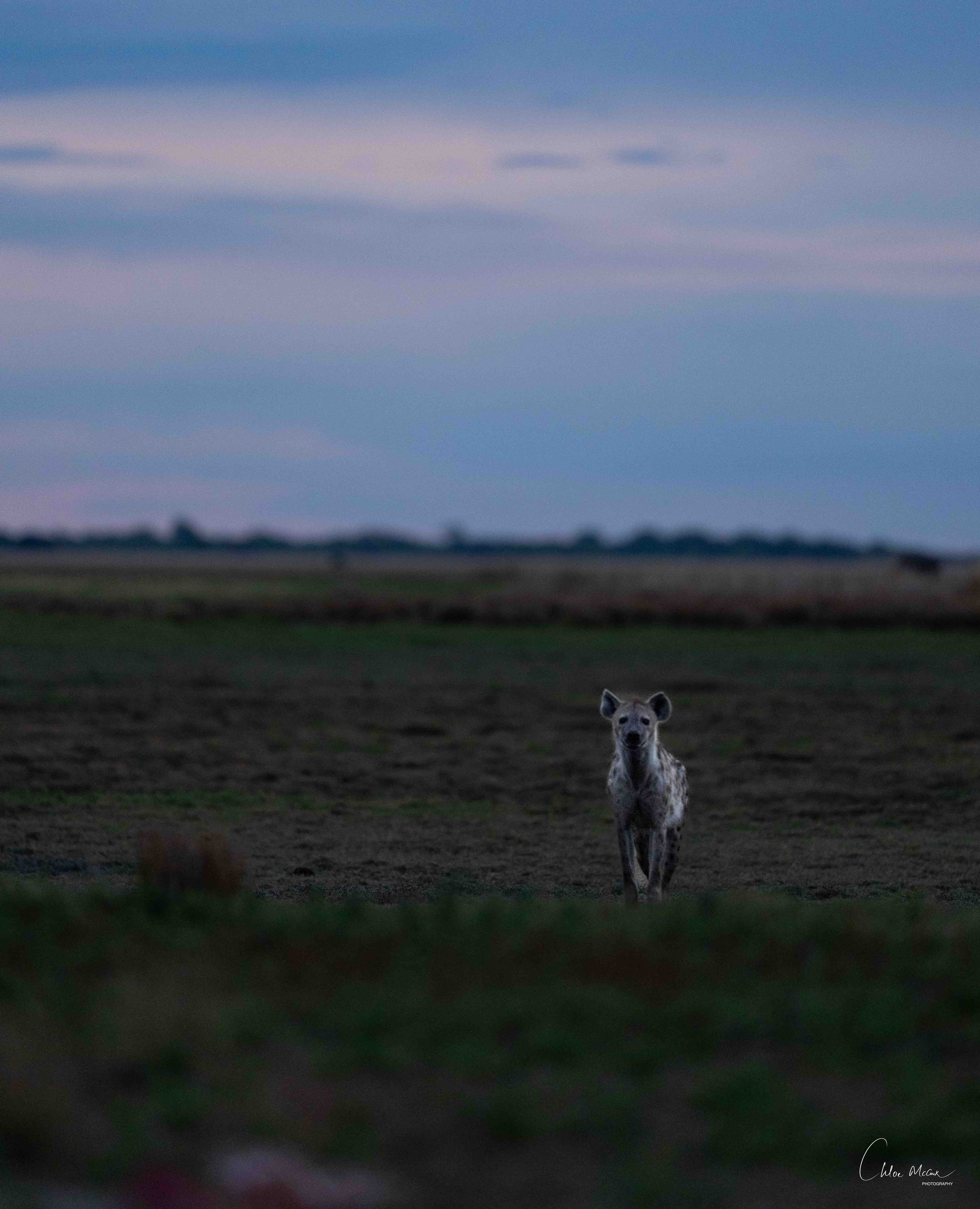
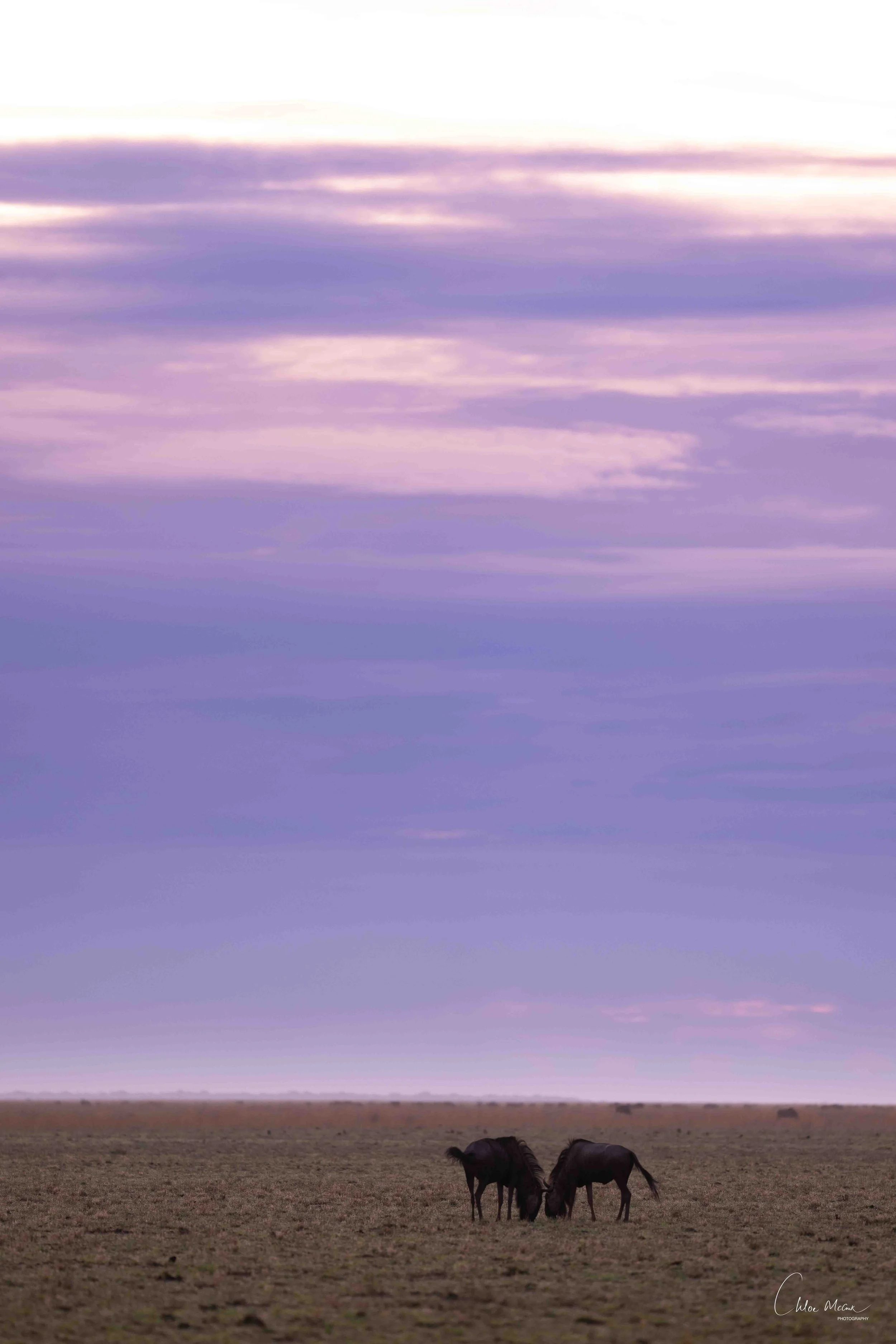
Liuwa is nothing like South Luangwa, it’s a large sandy flood/grass plains with relatively little to no tree coverage bar some isolated islands of acacia trees, sandy white roads, expansive pans that attract numerous birds, antelope and then the carnivores. With growing numbers of lions, hyena and cheetah it is an incredible place to not only see endemic and rare species but also tick off the bigger ones. The park is devoid of elephant and hippo (and giraffe) for obvious reasons which make it next to silent at night bar the occasional whoop of the hyena or roar of the lions.
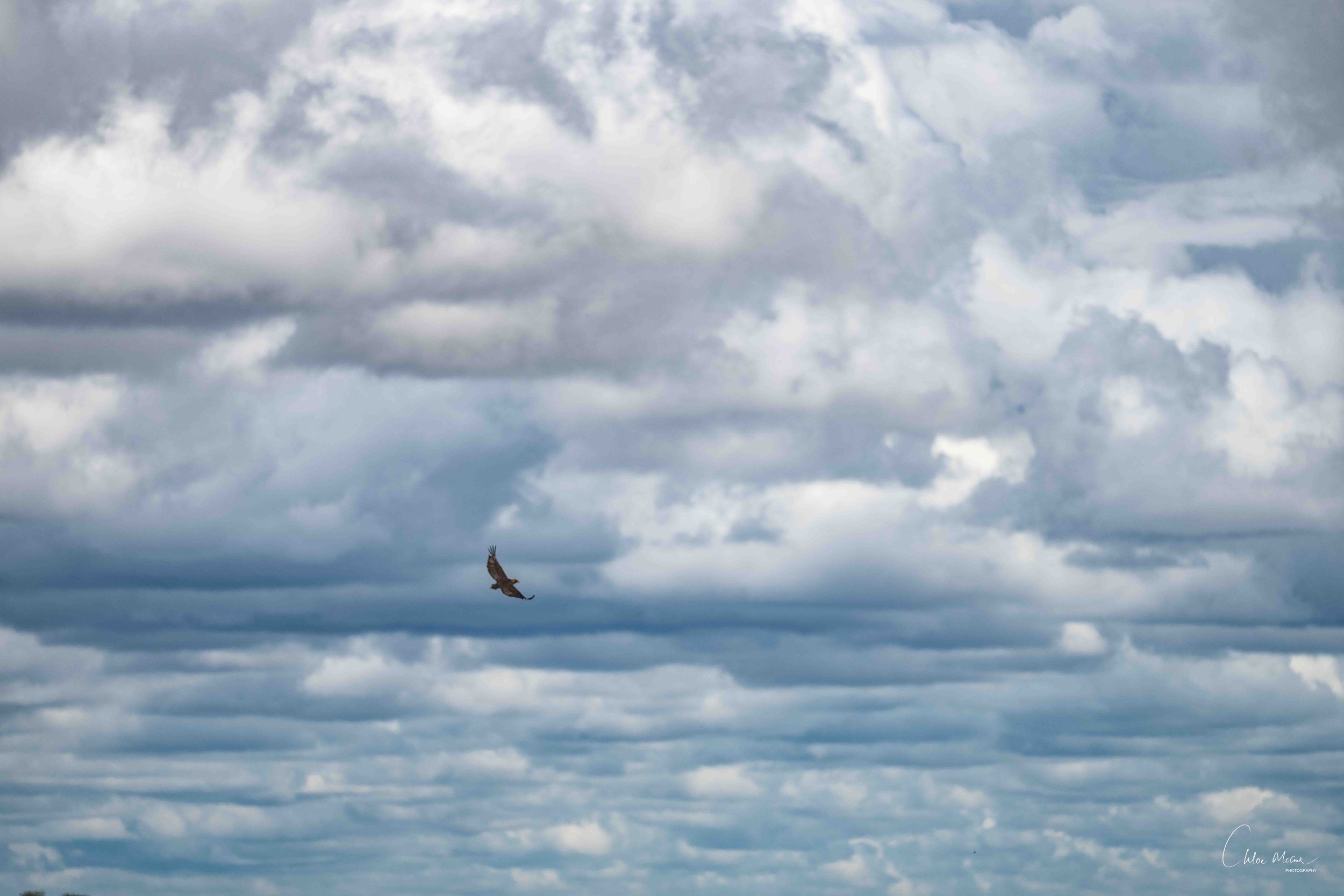
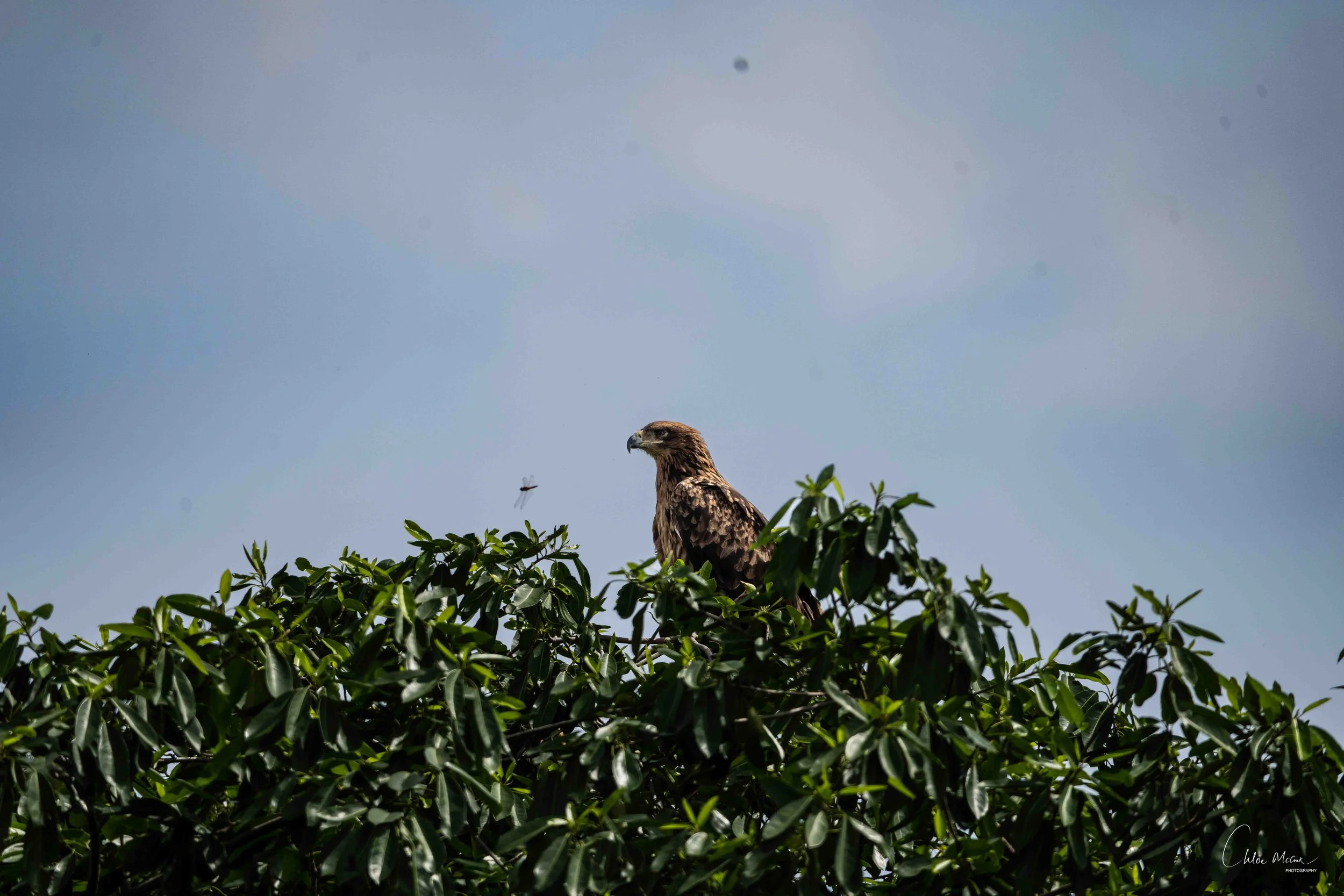
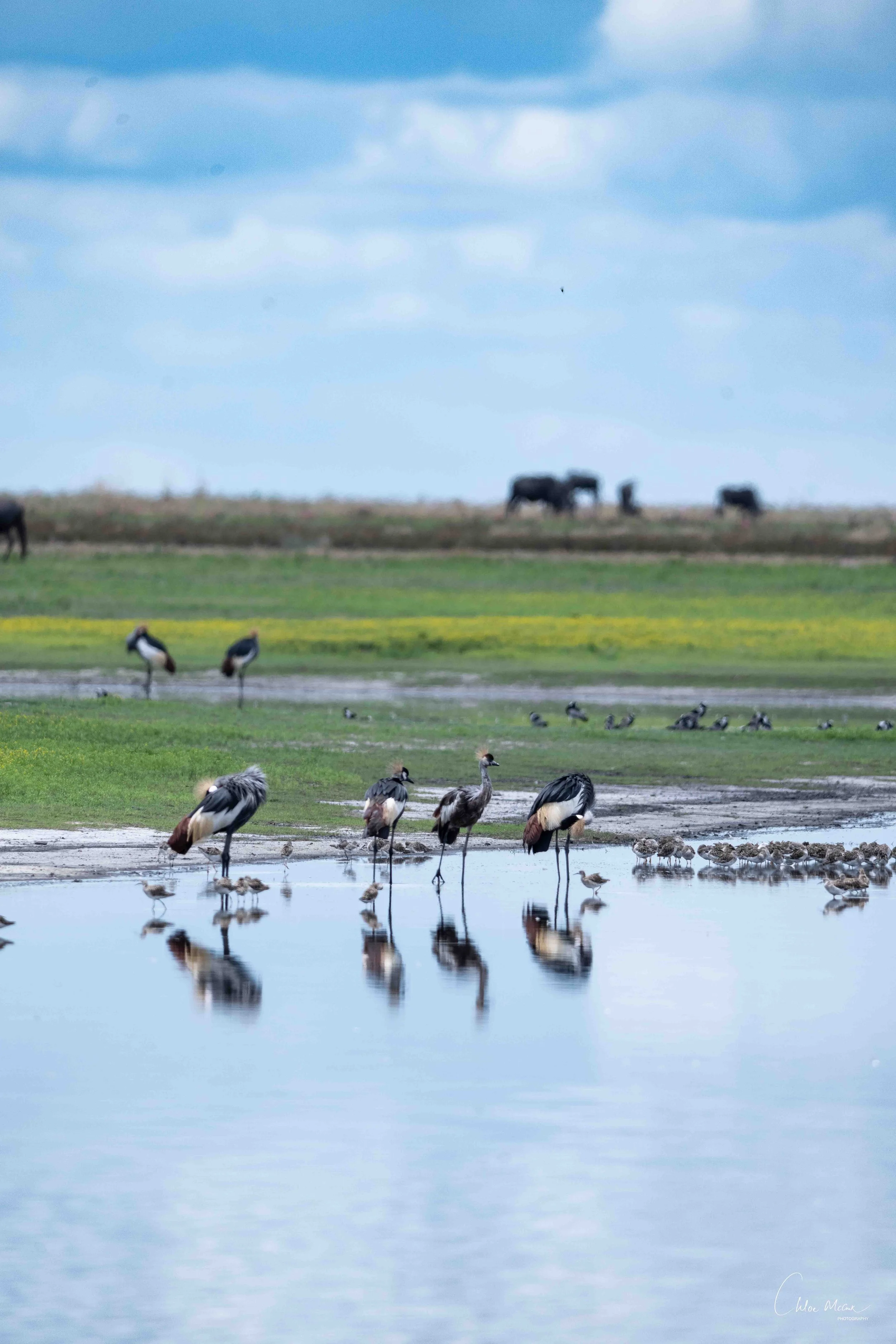
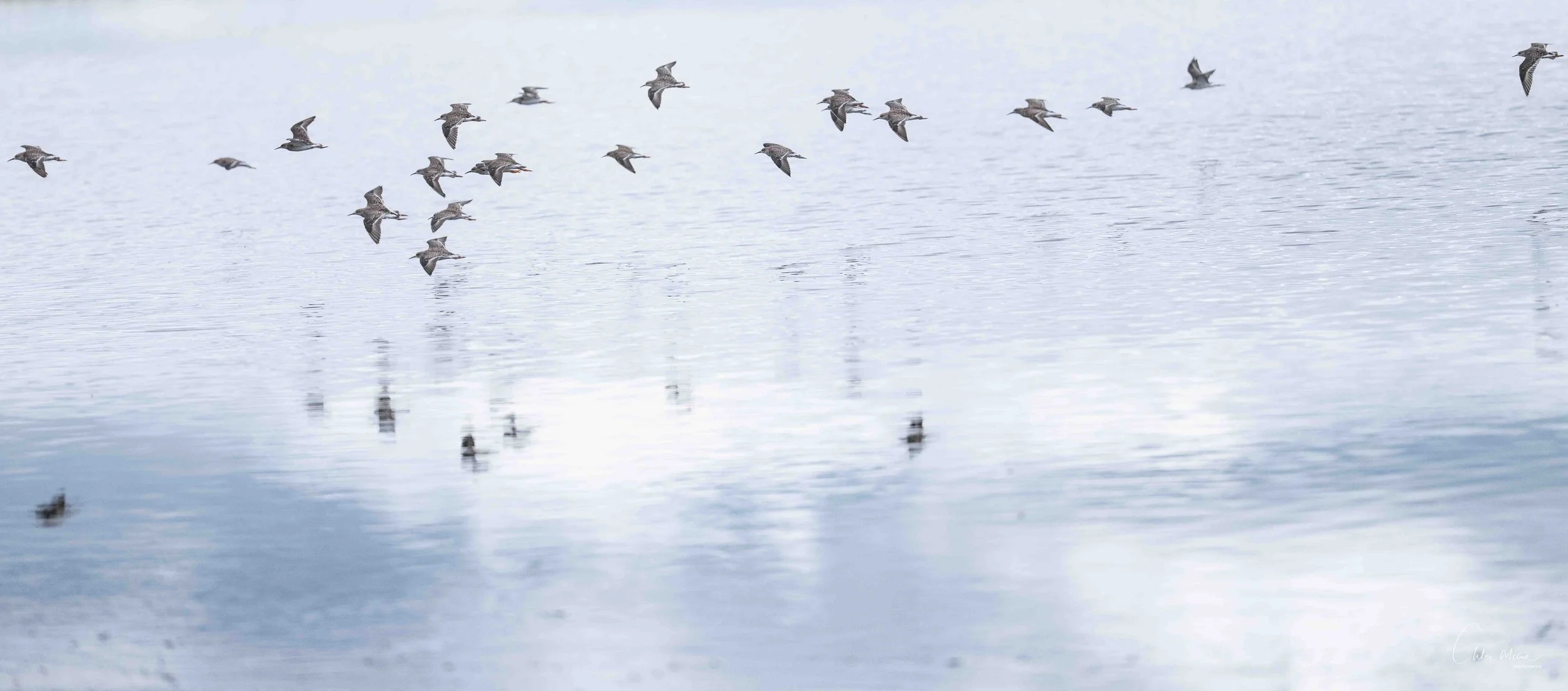
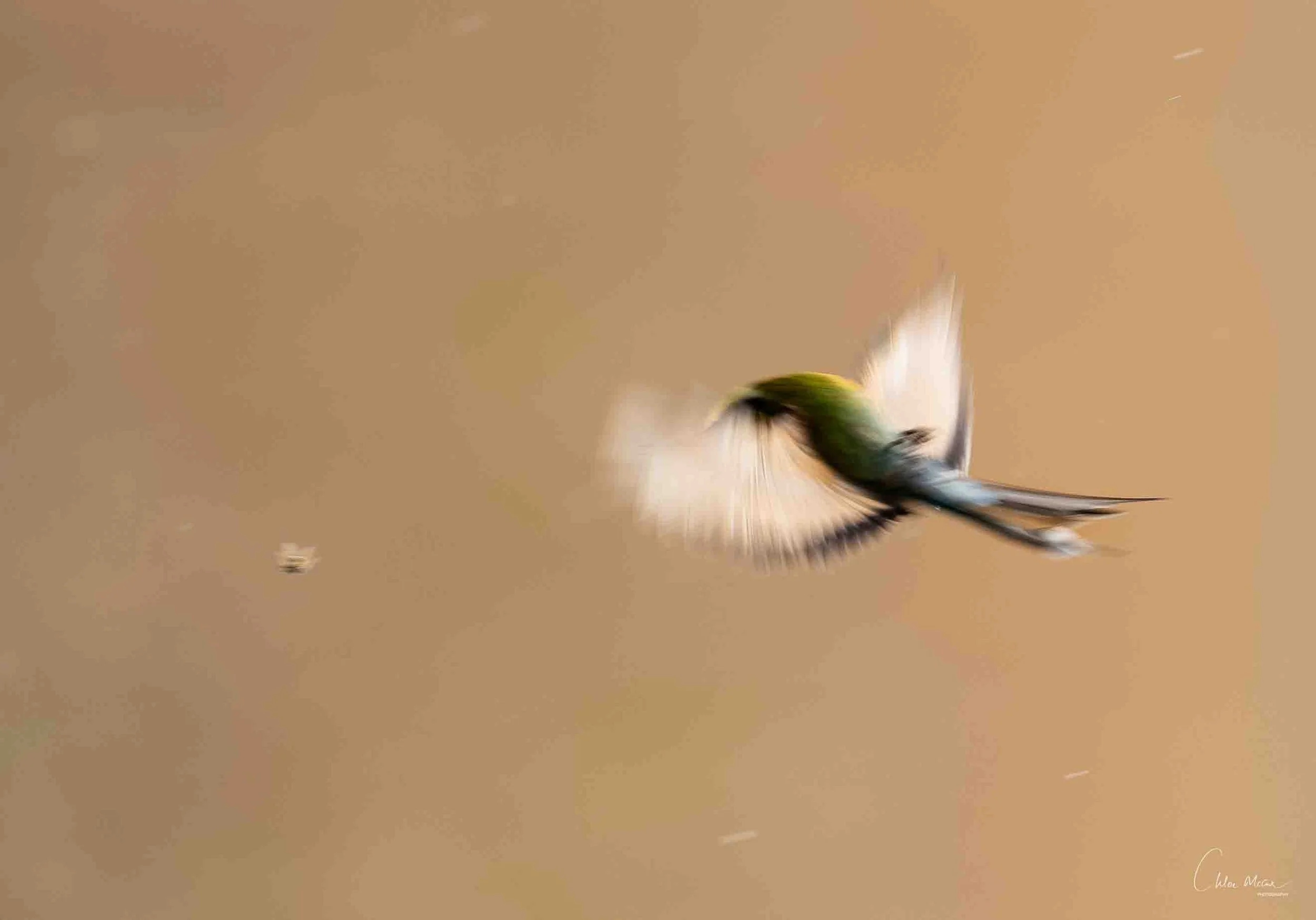
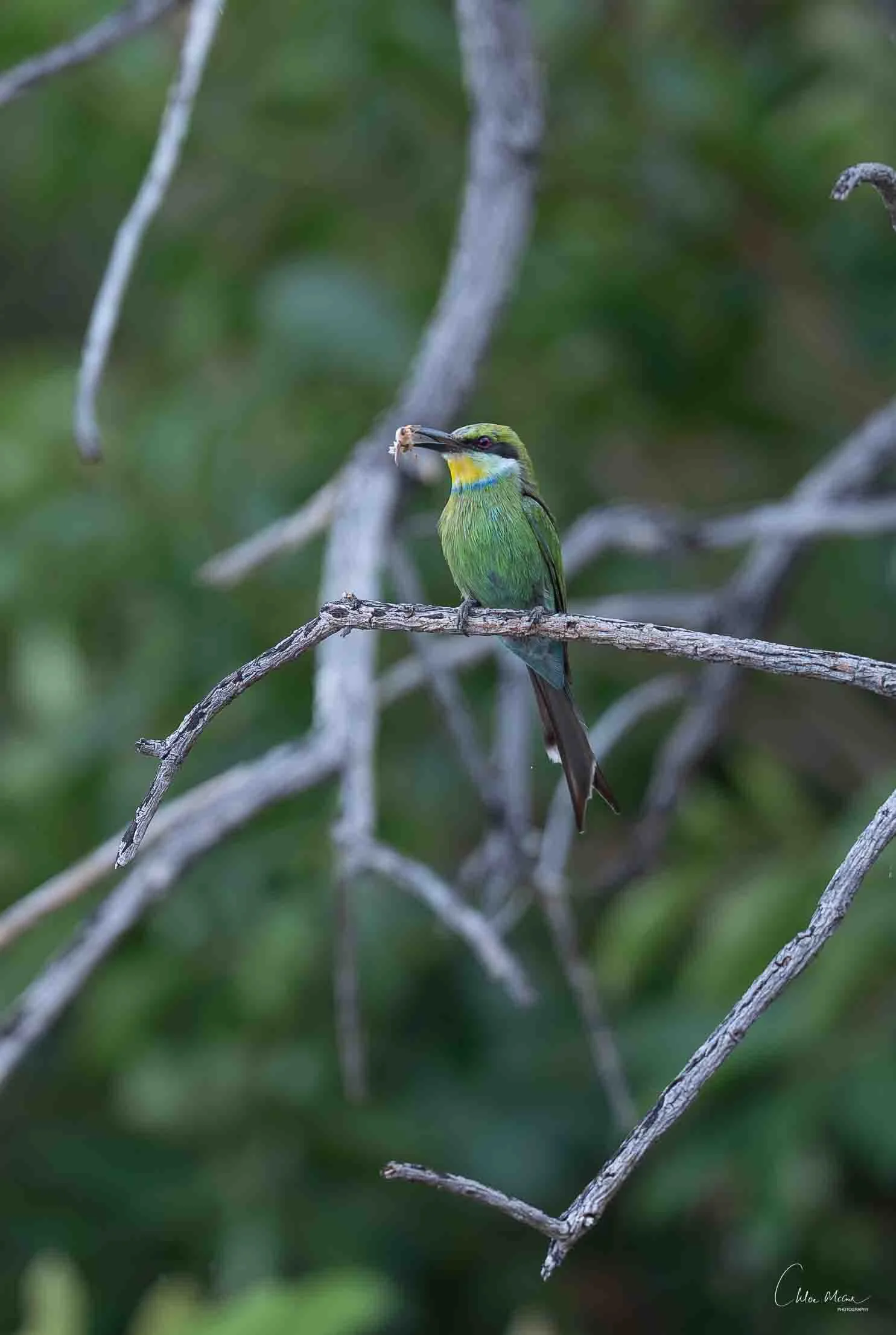
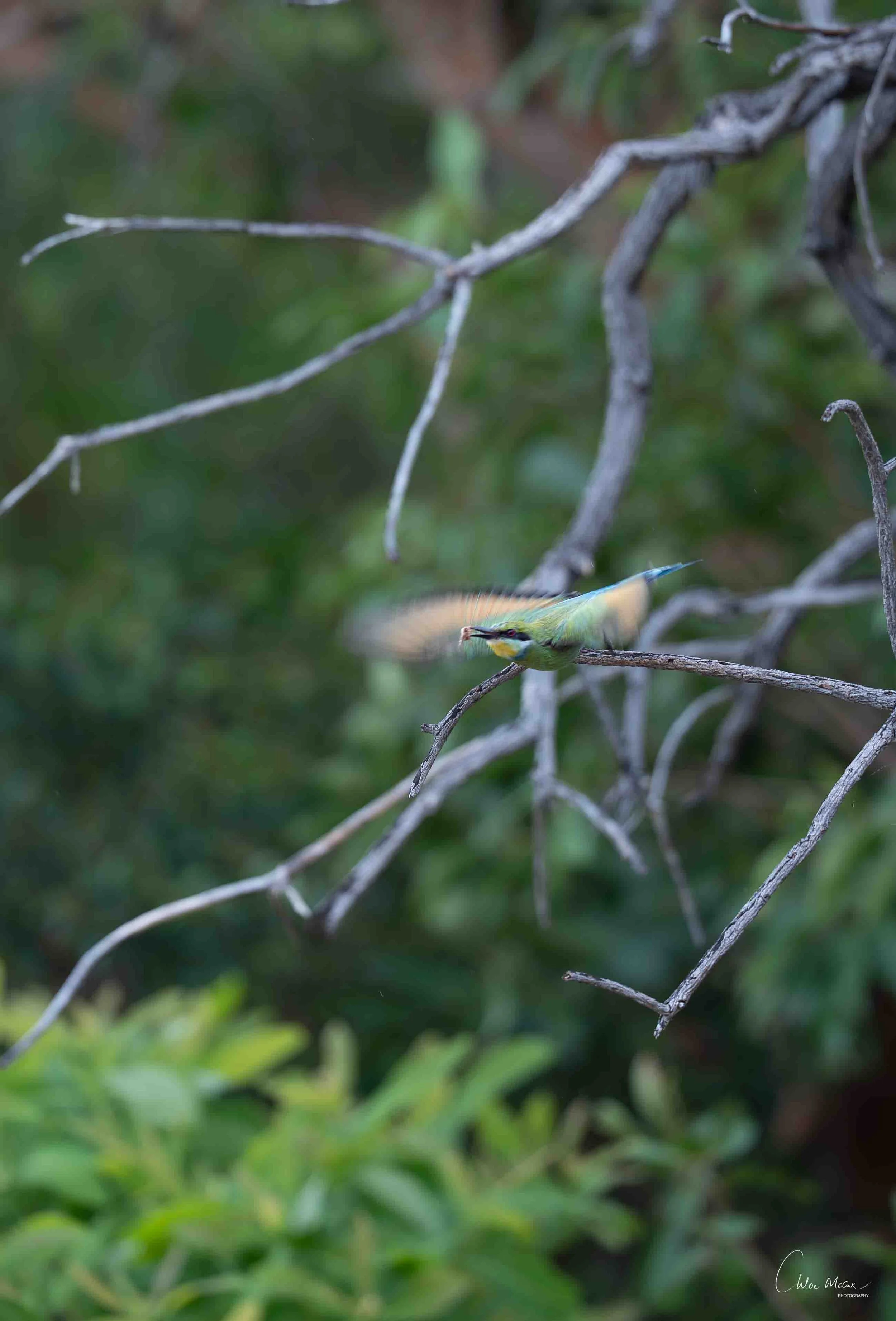
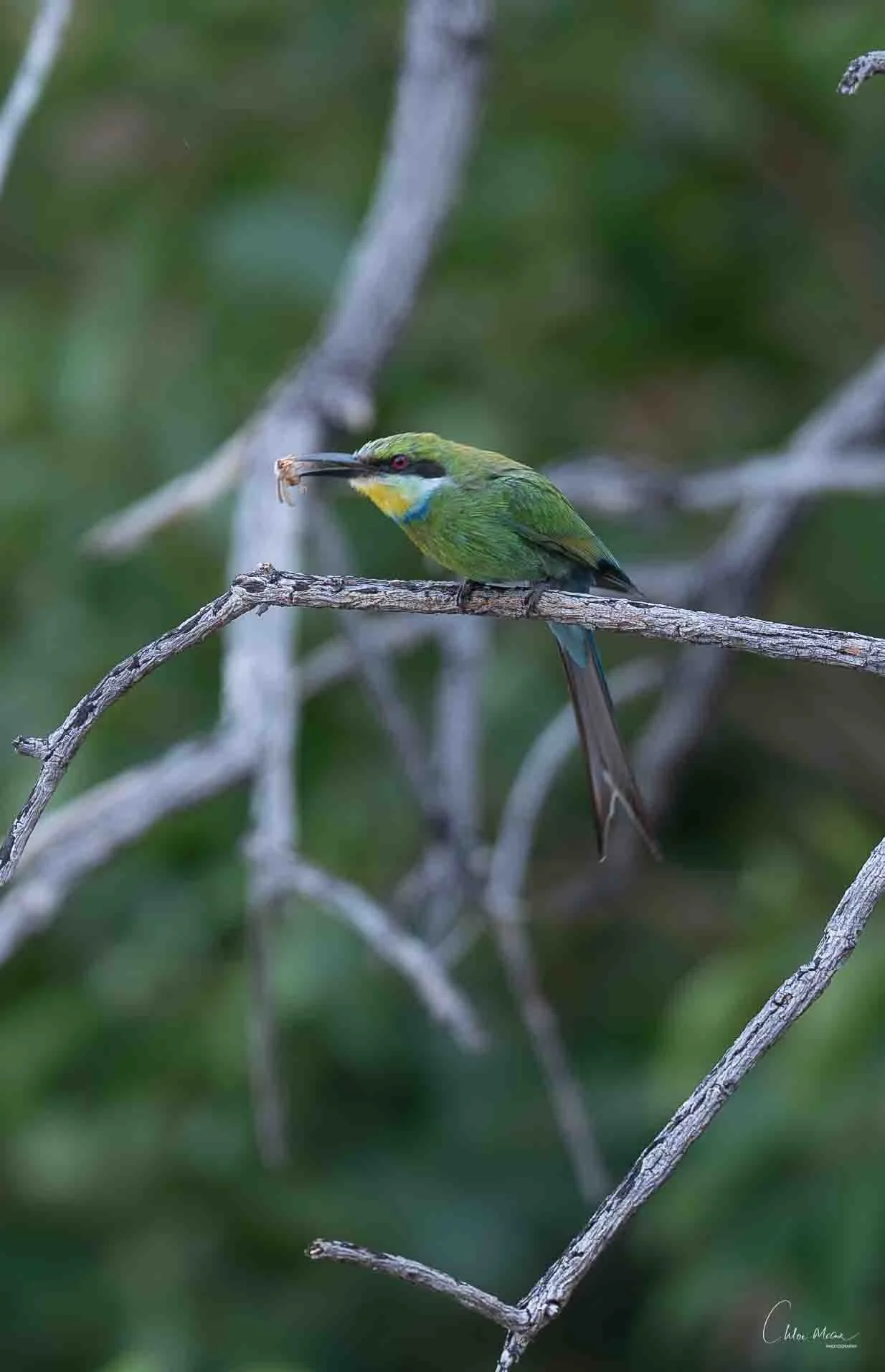
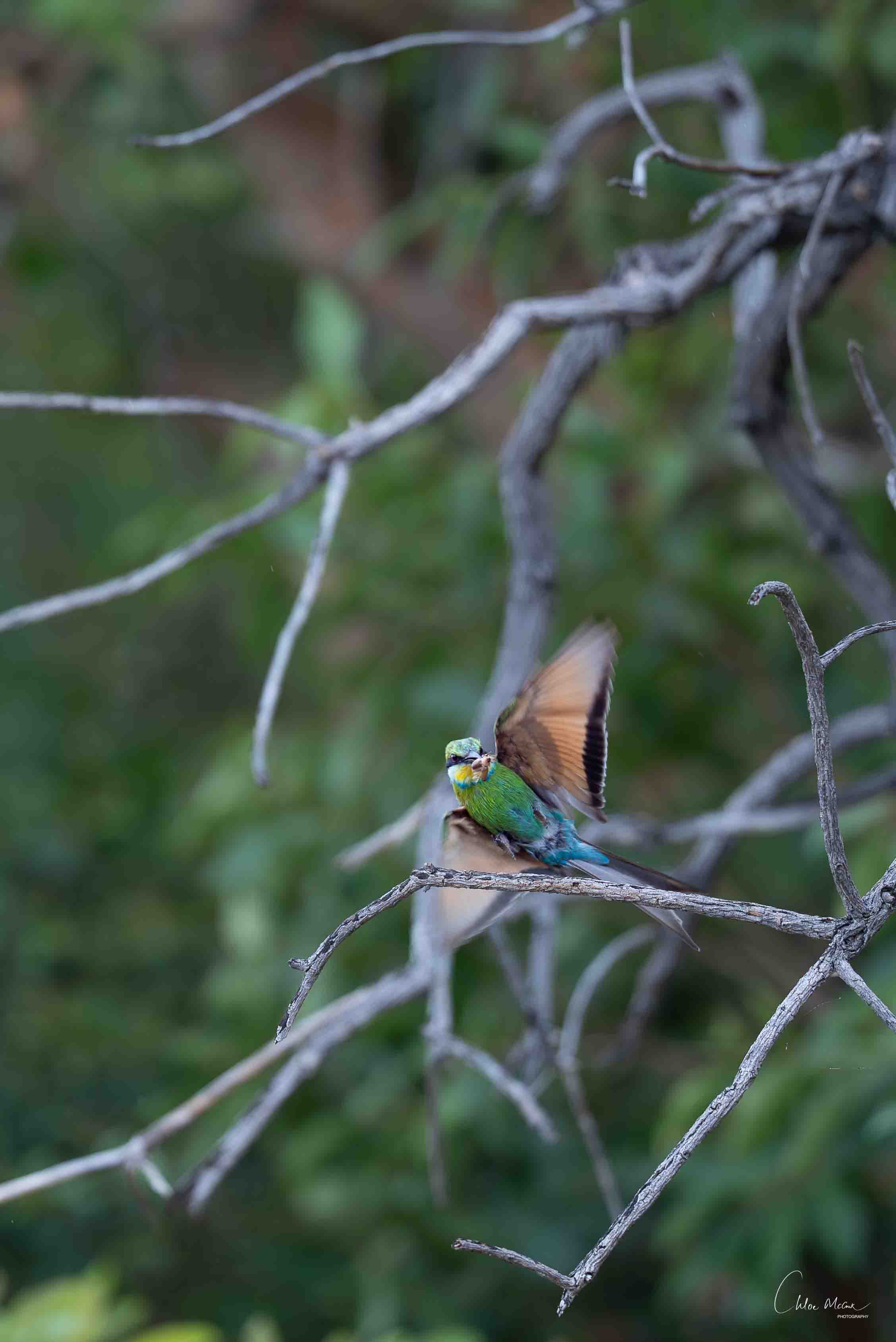
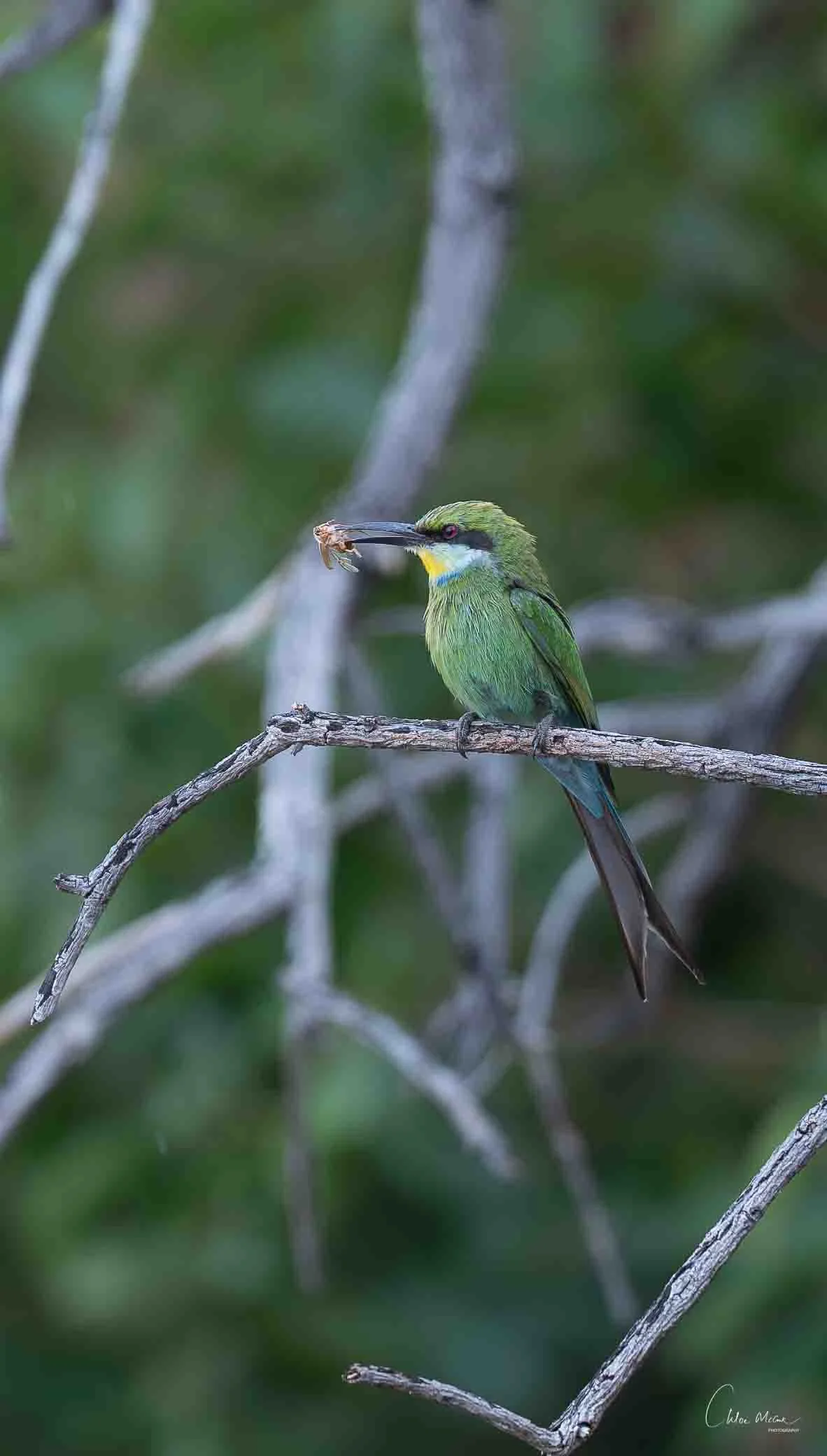
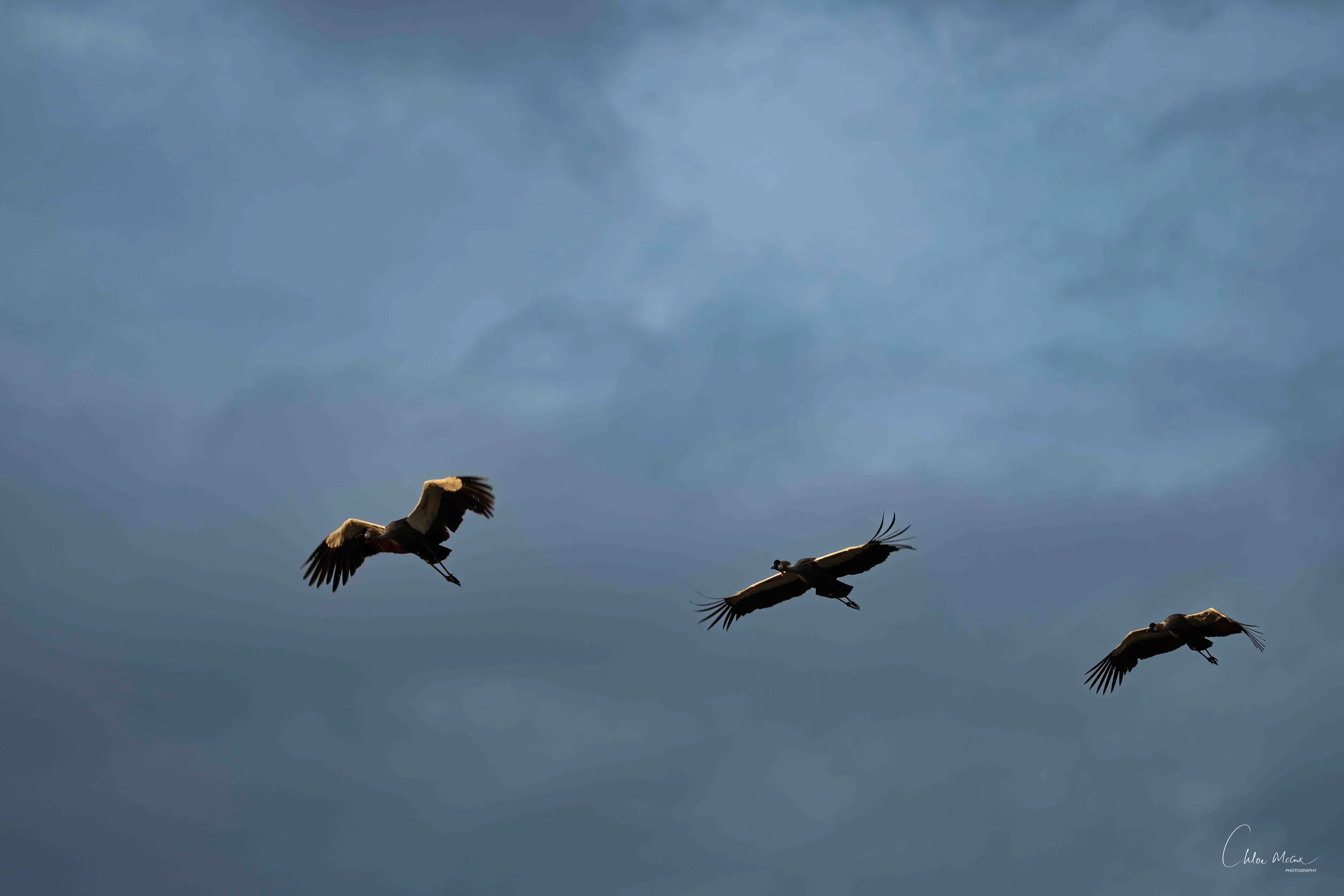
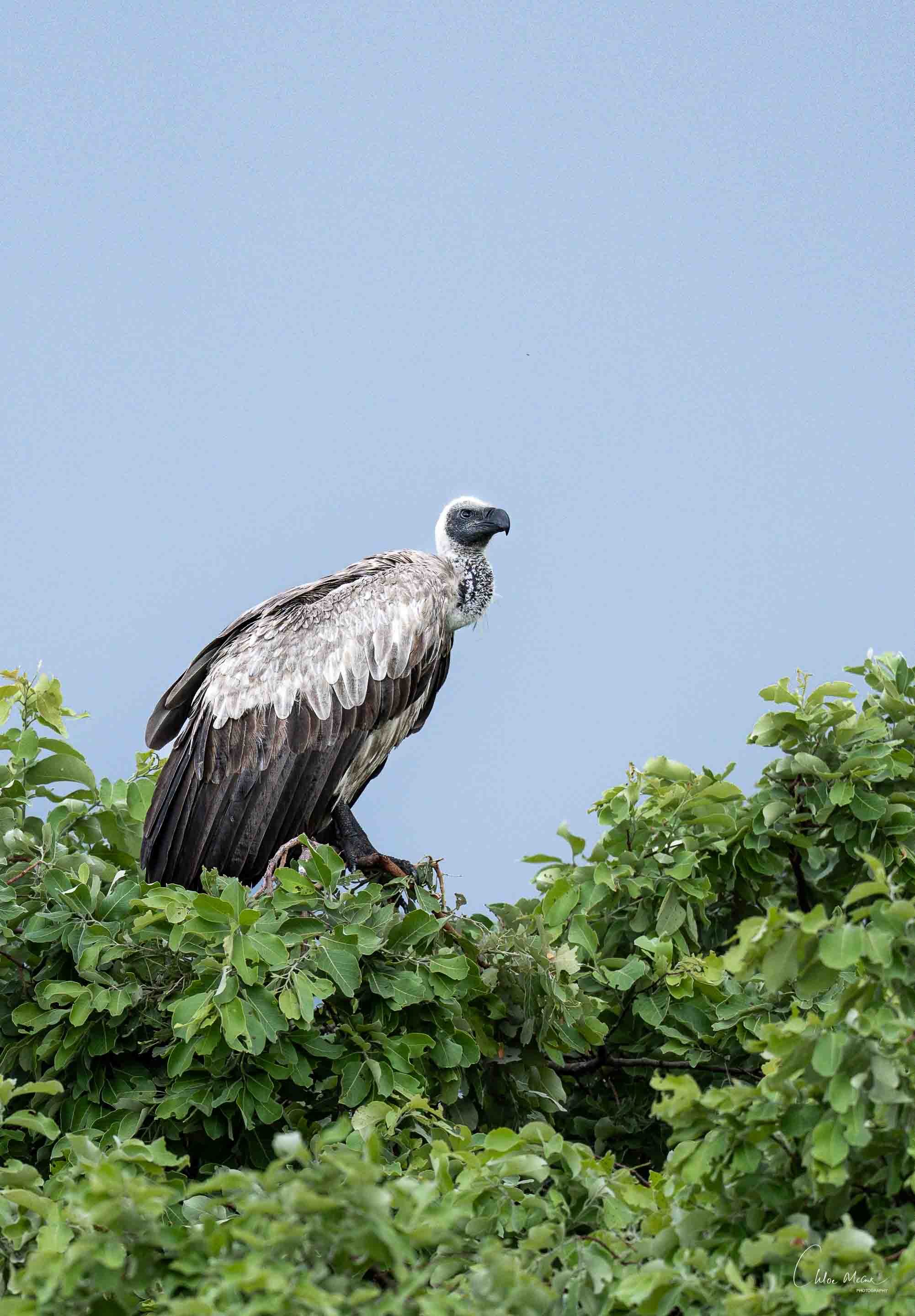
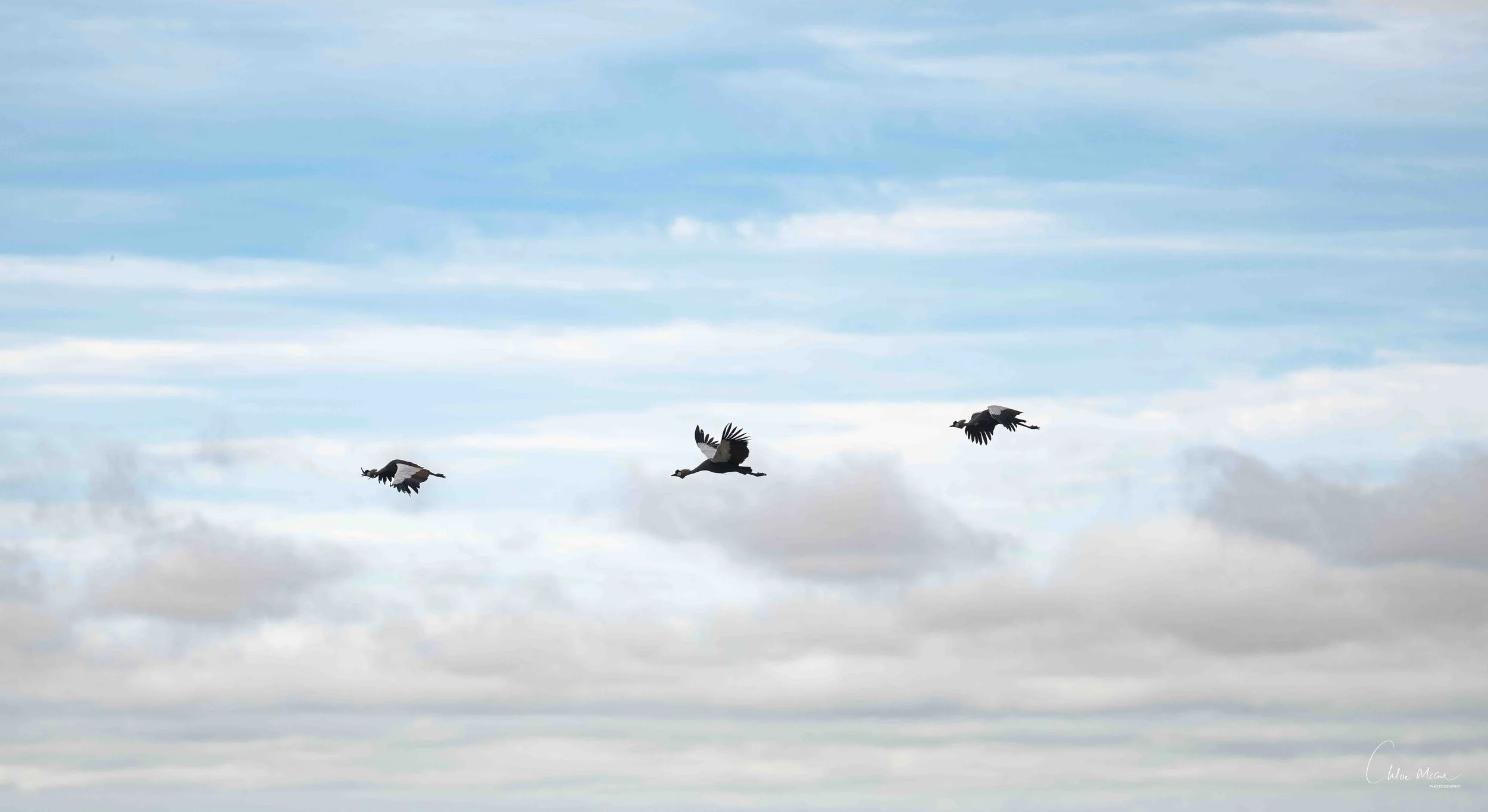
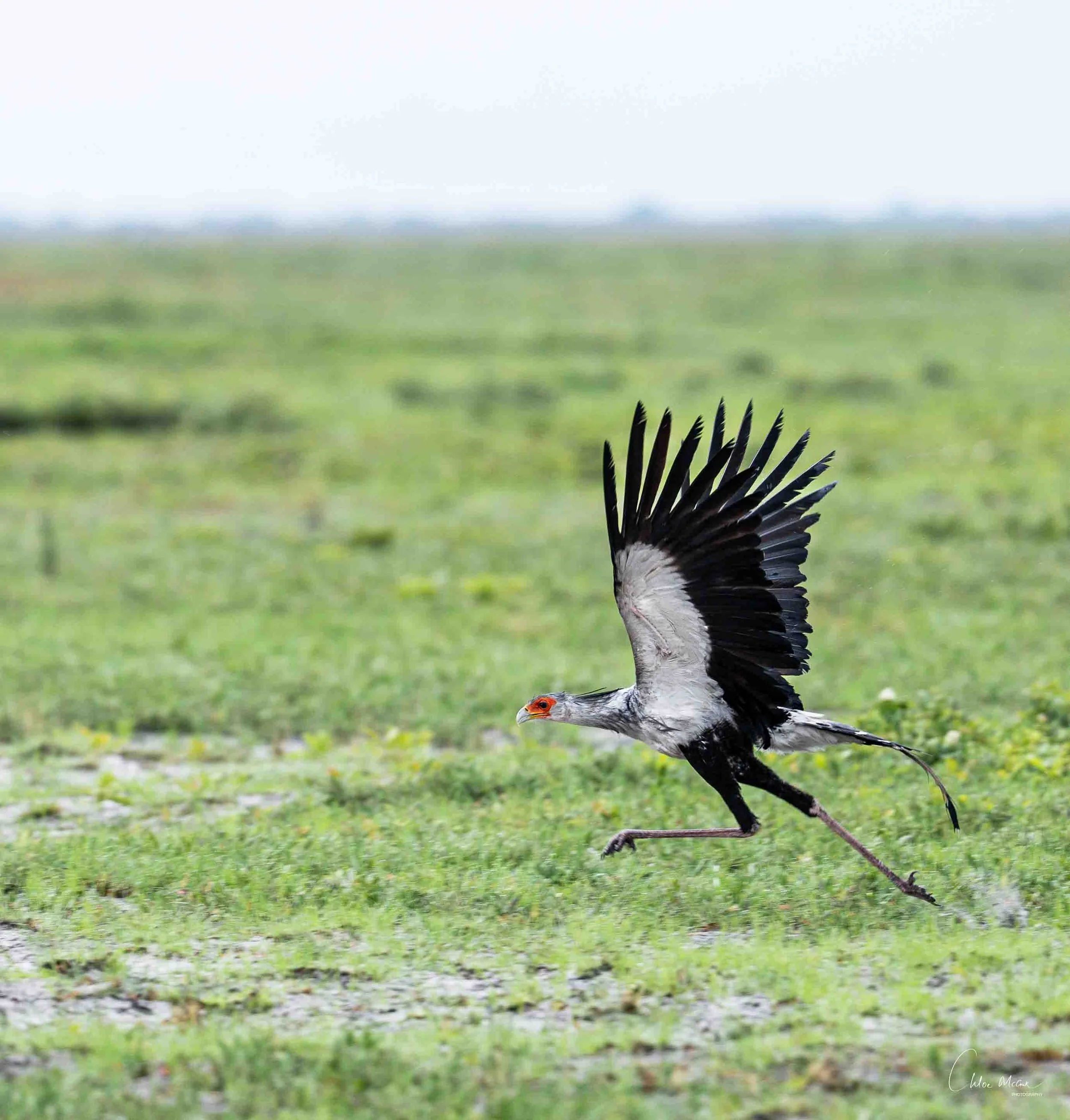
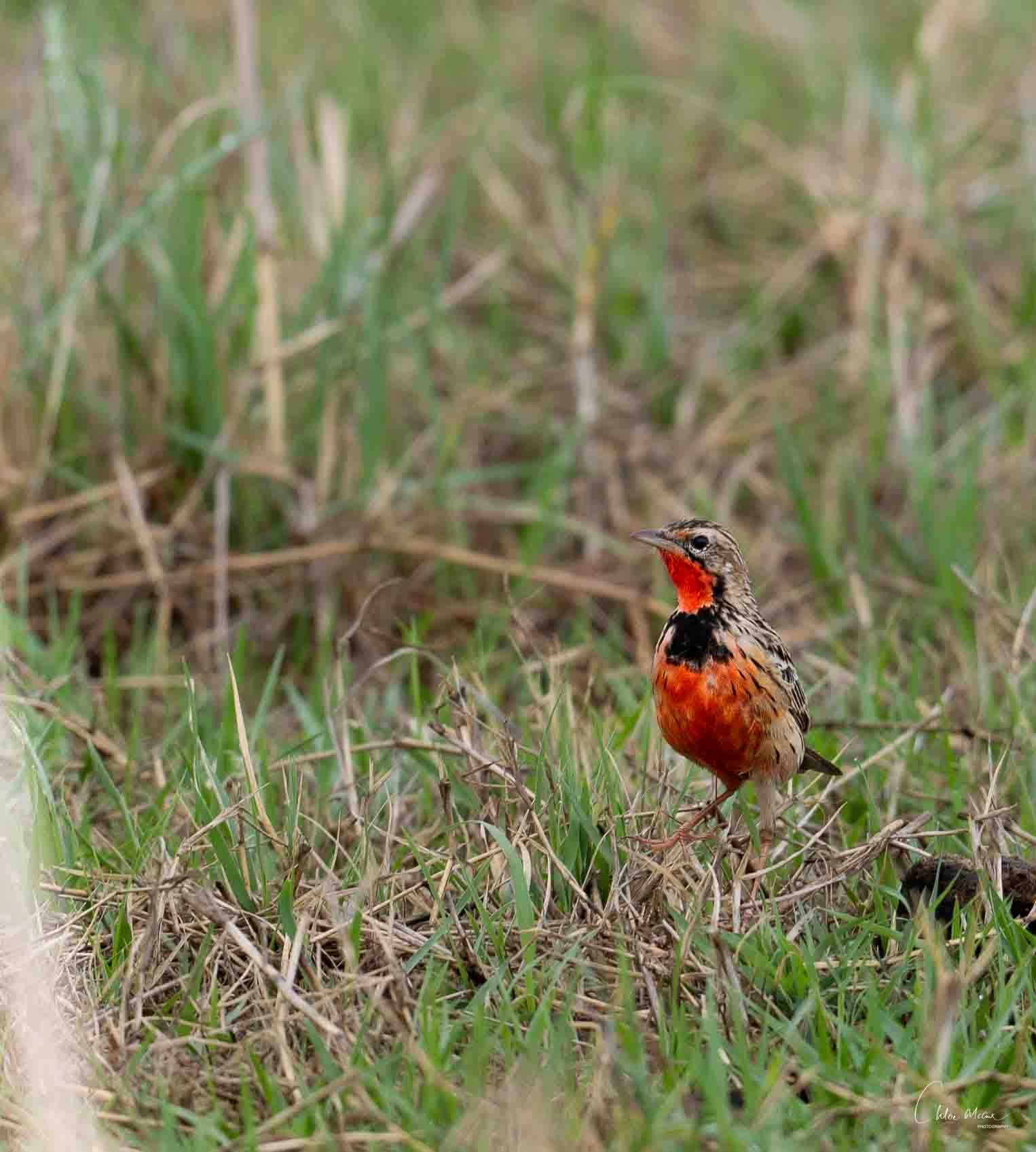
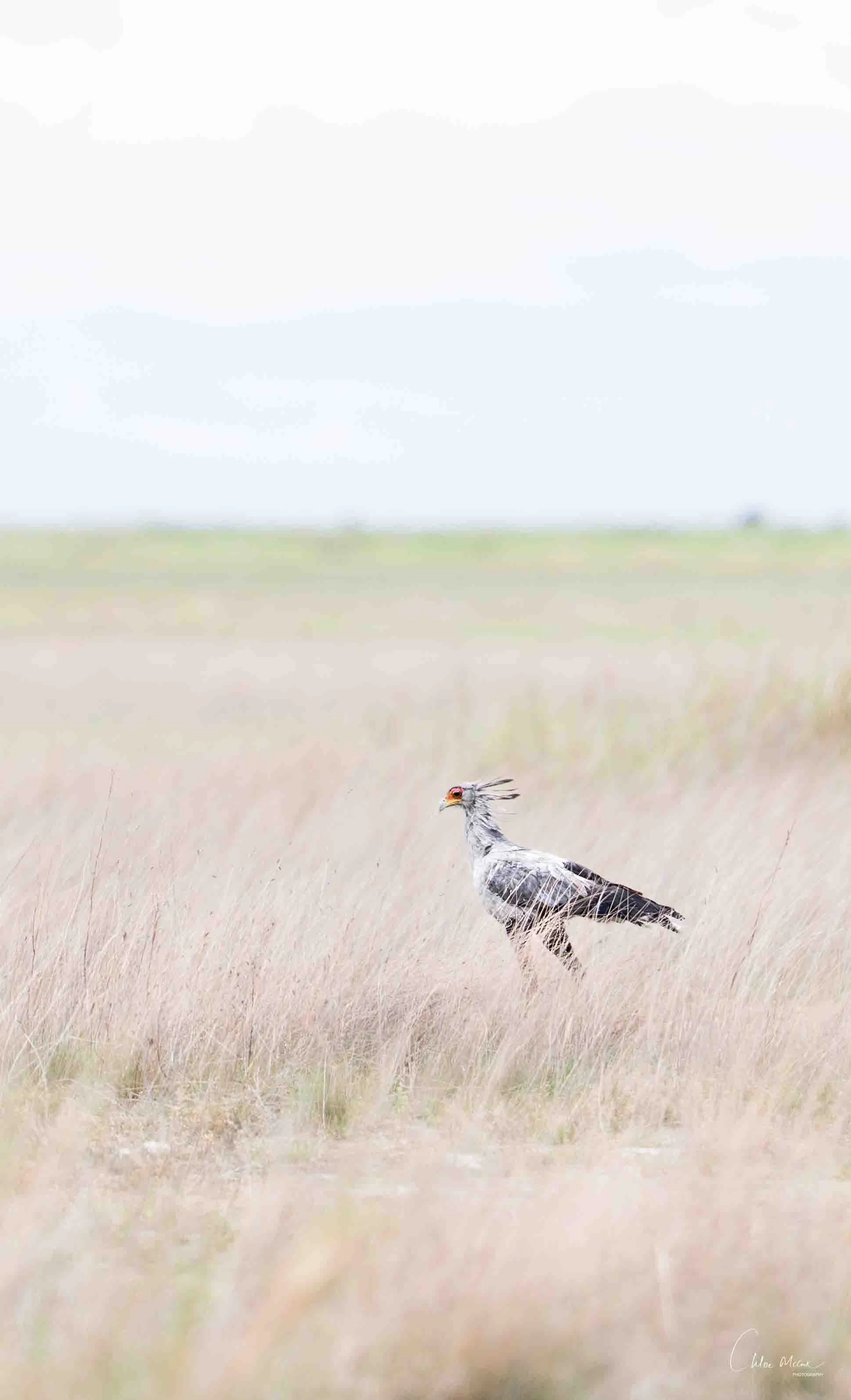
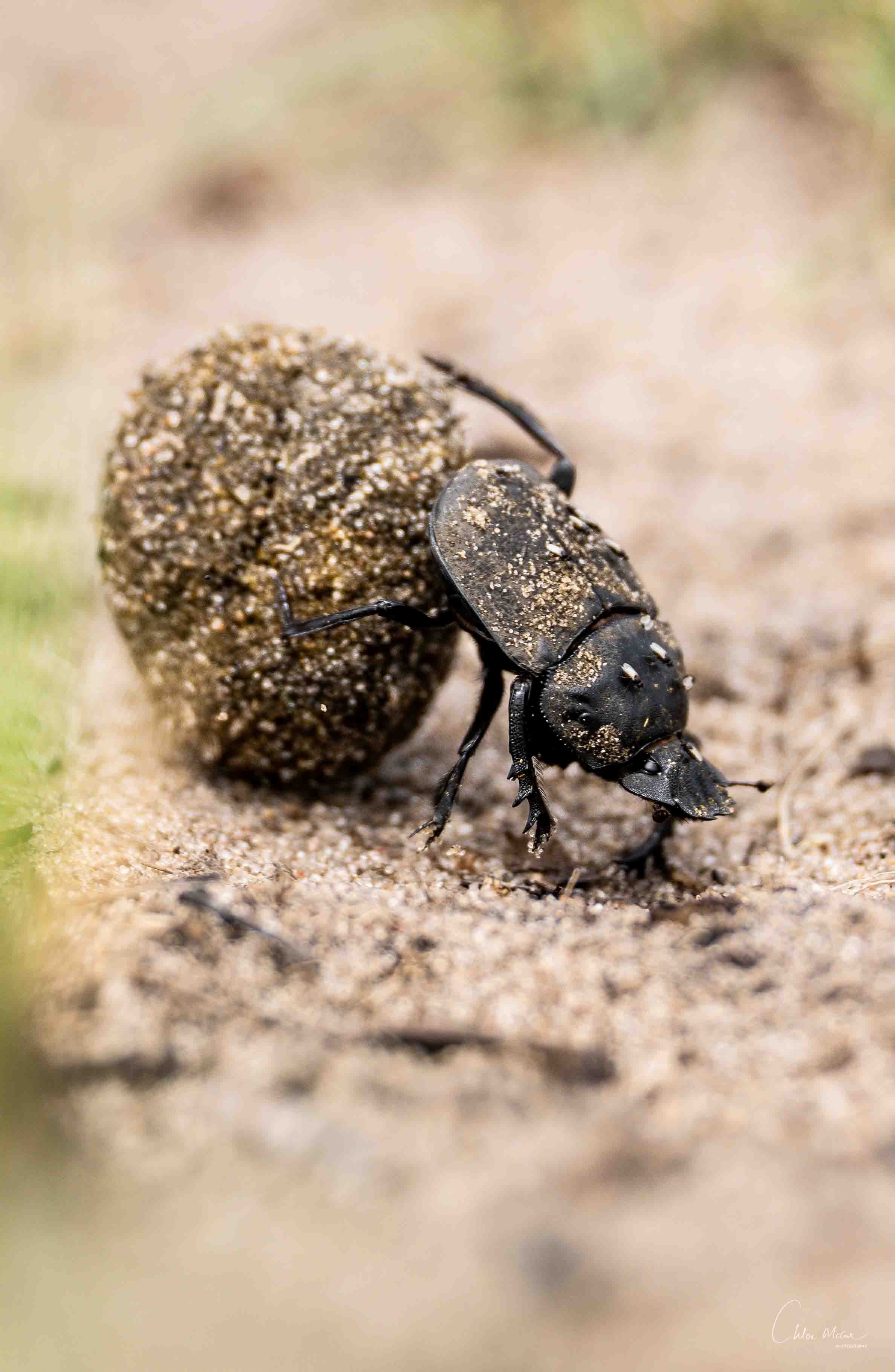
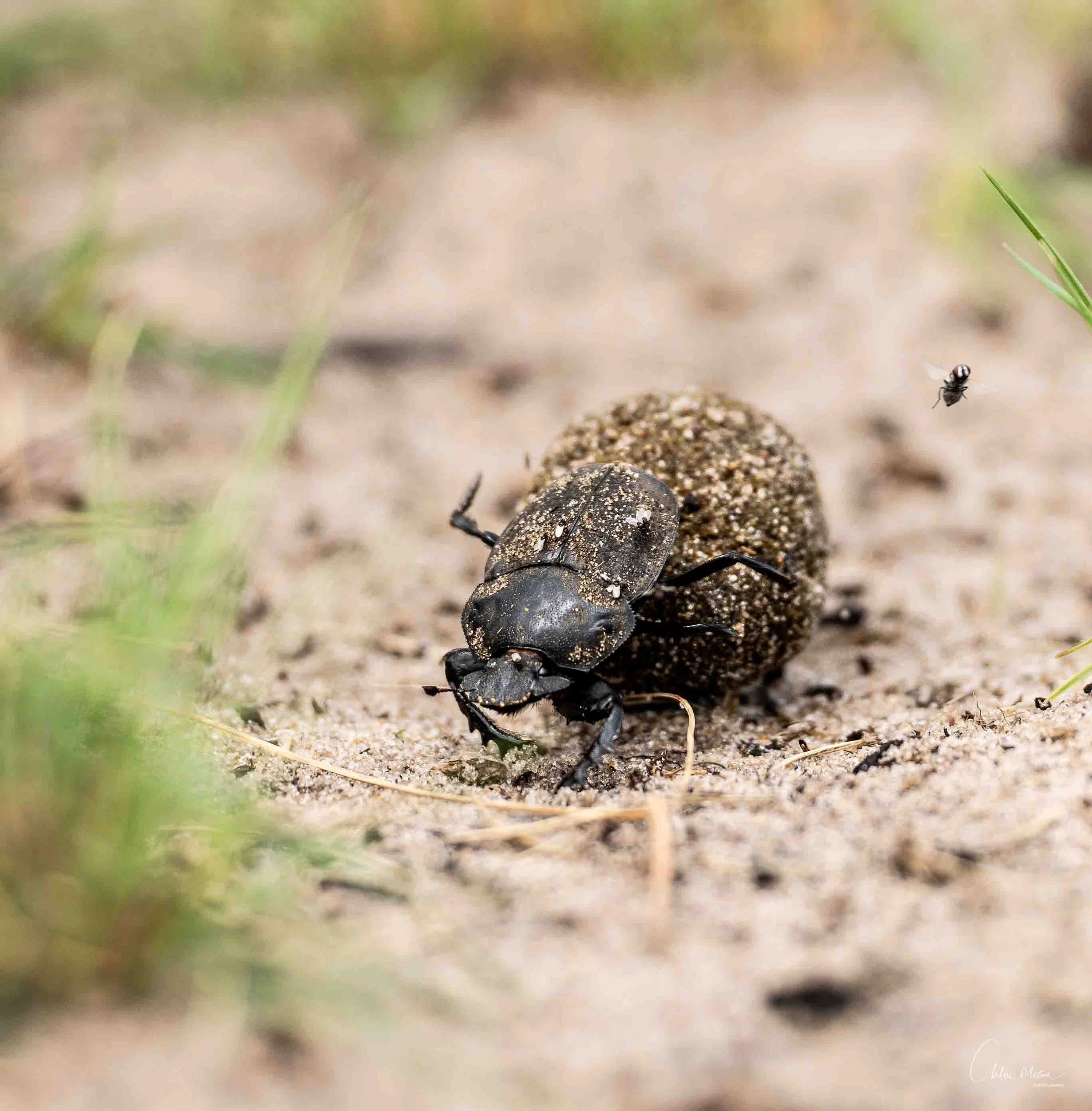
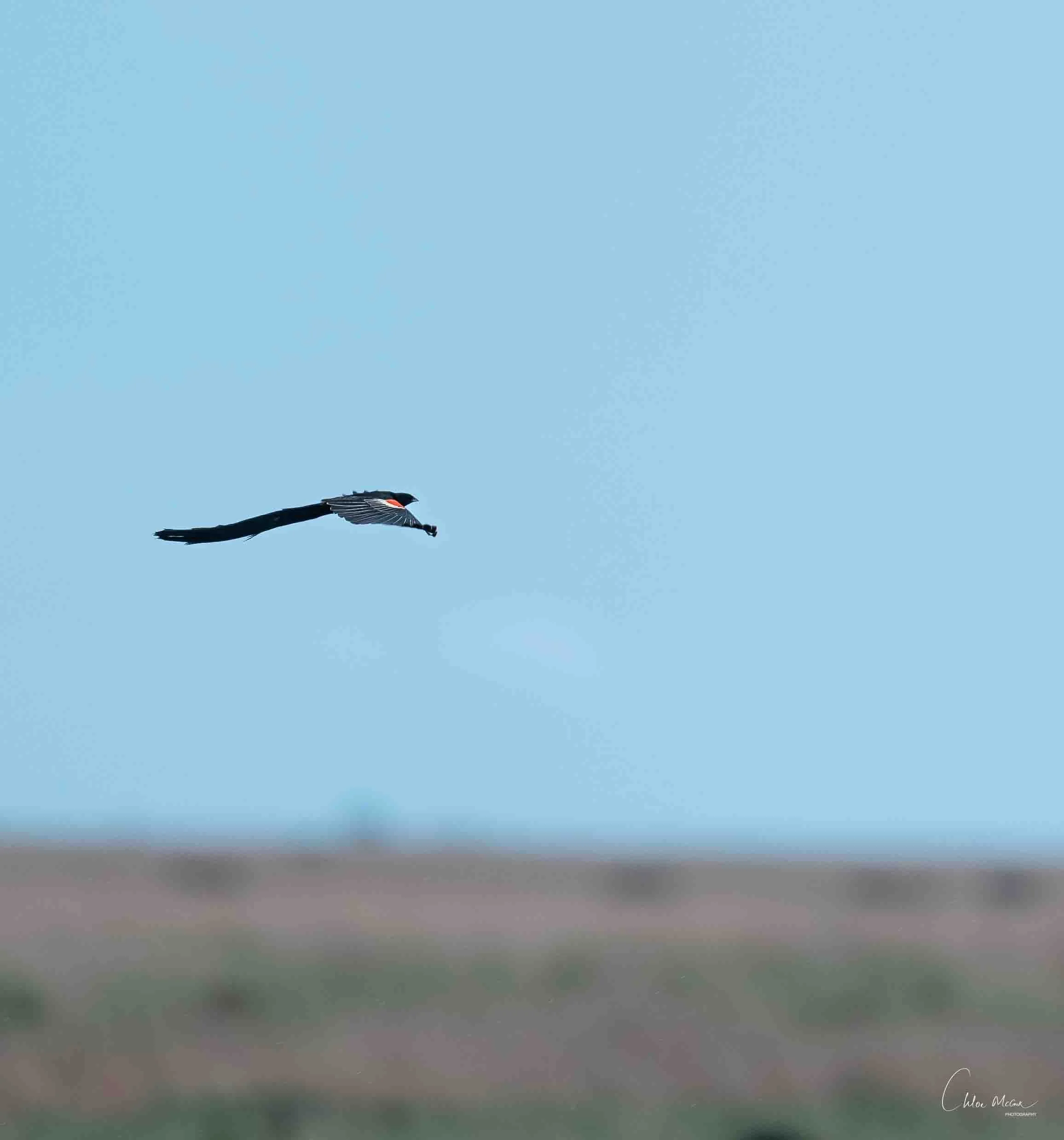
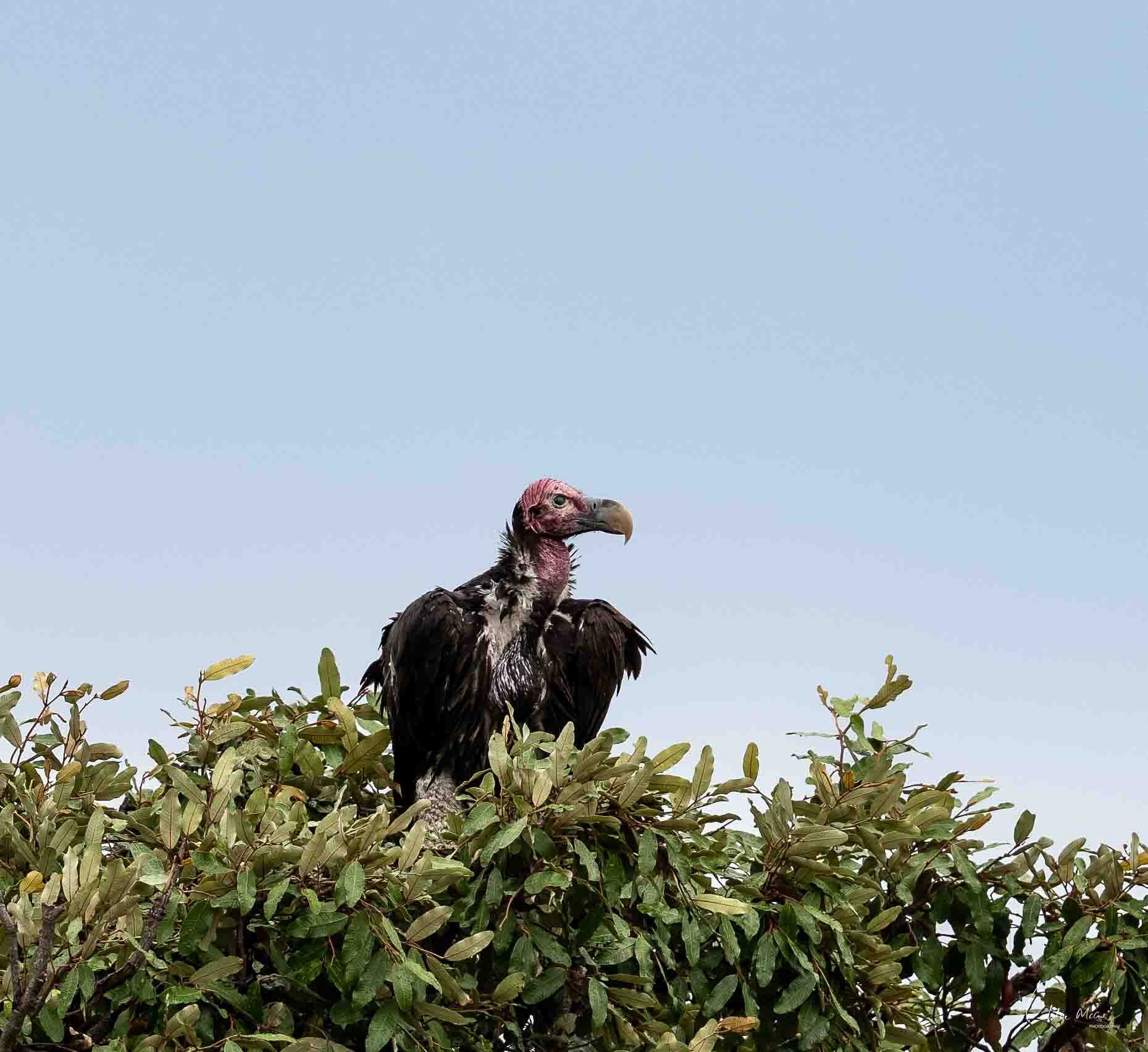
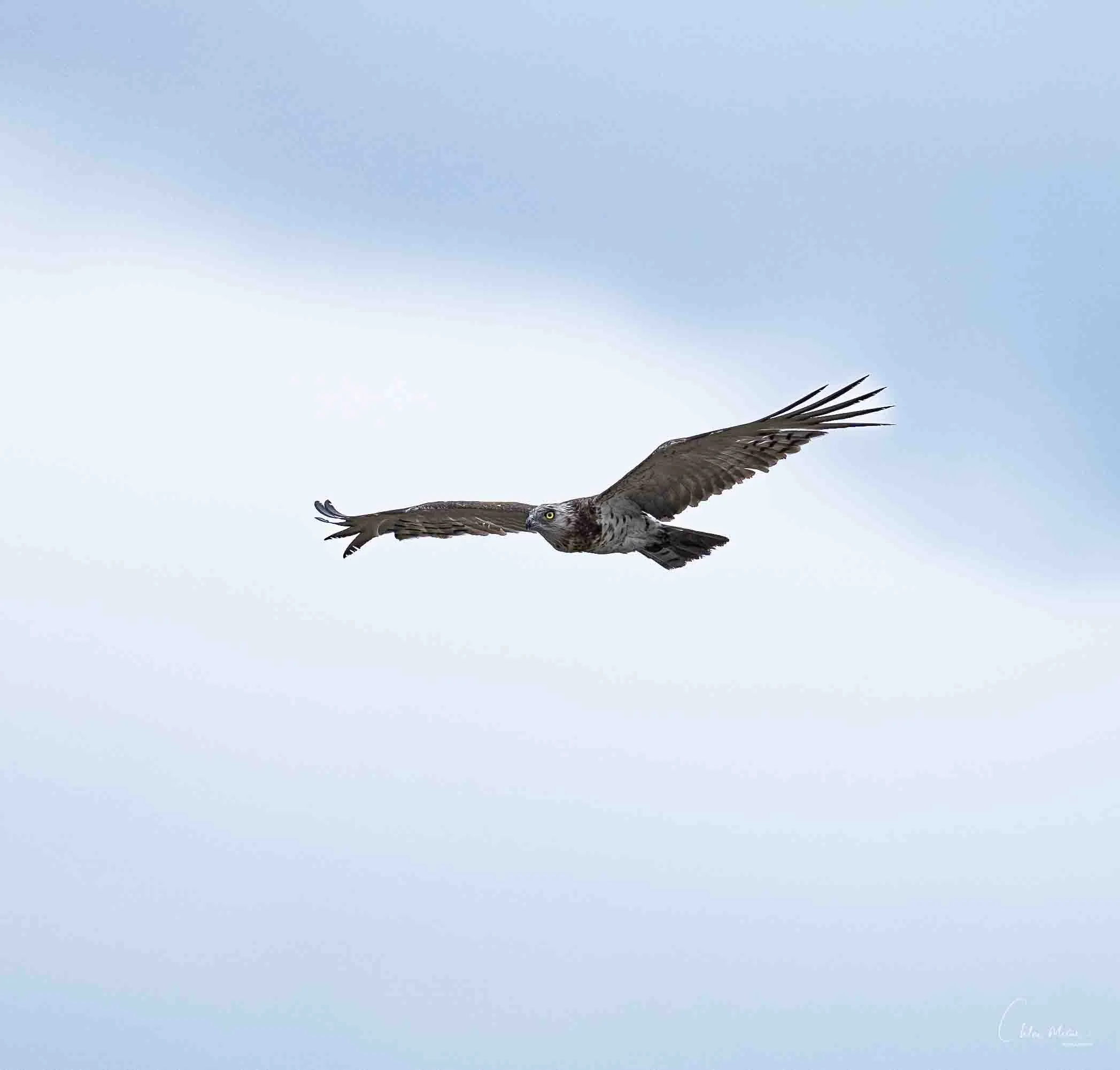
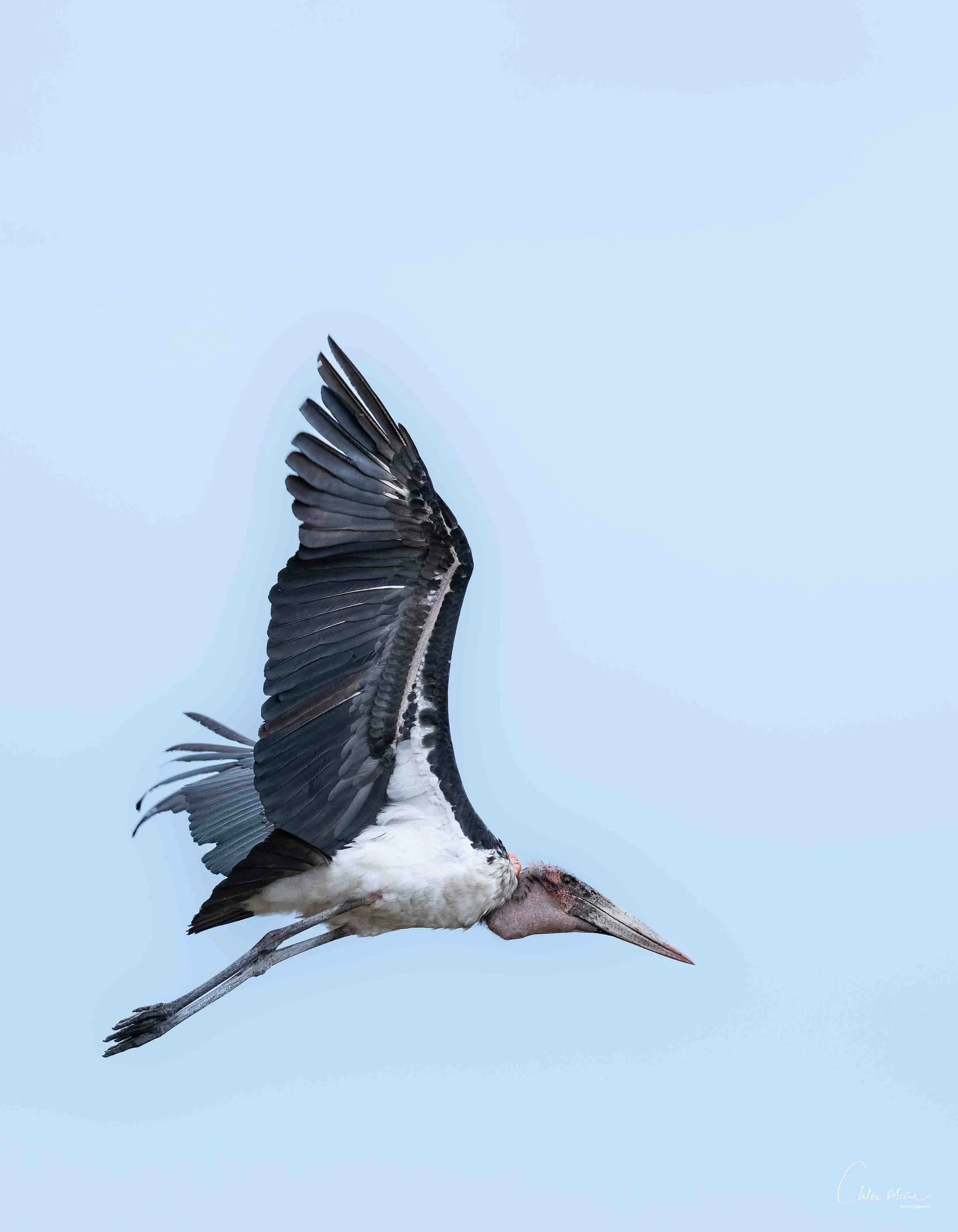
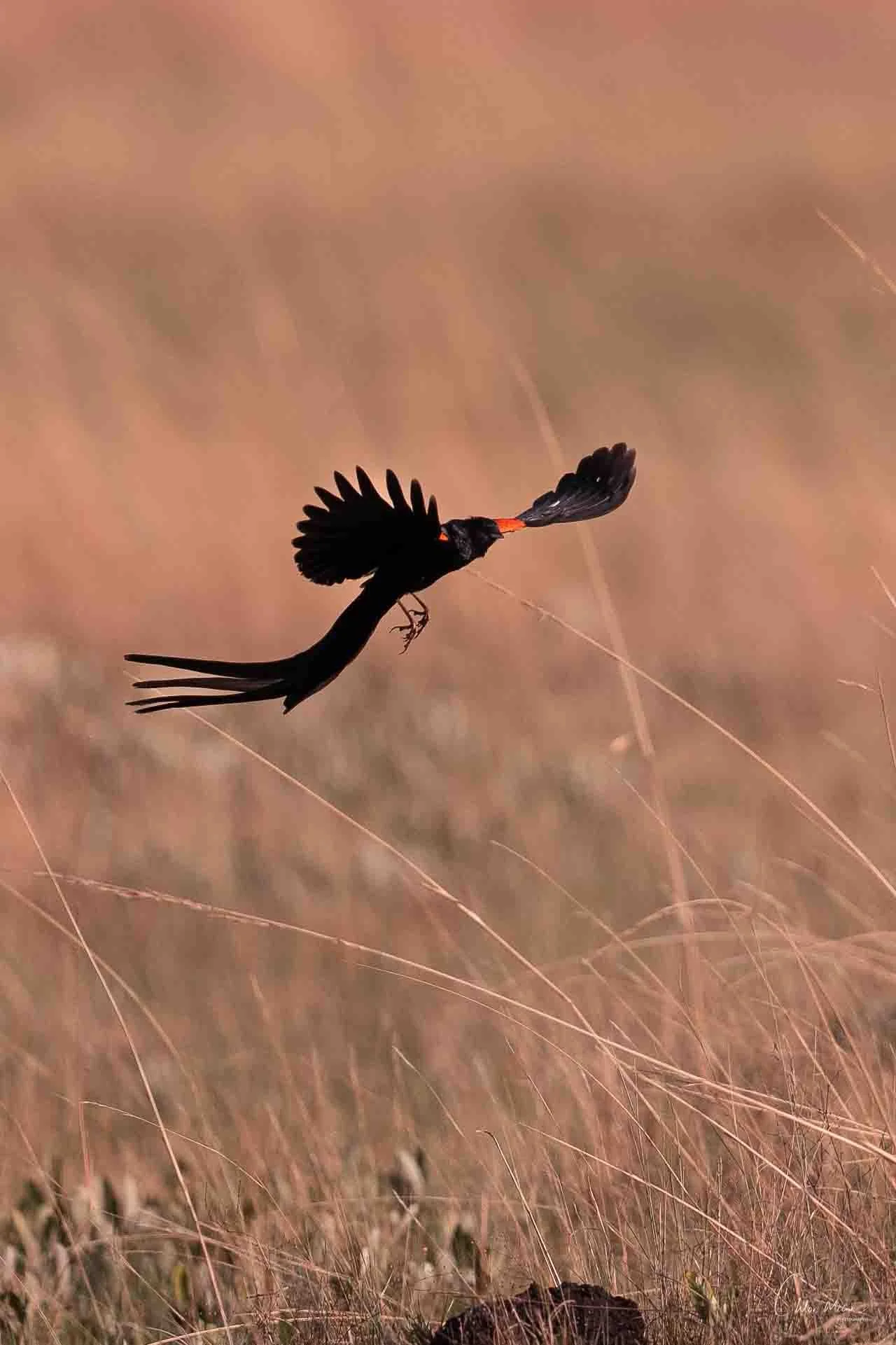
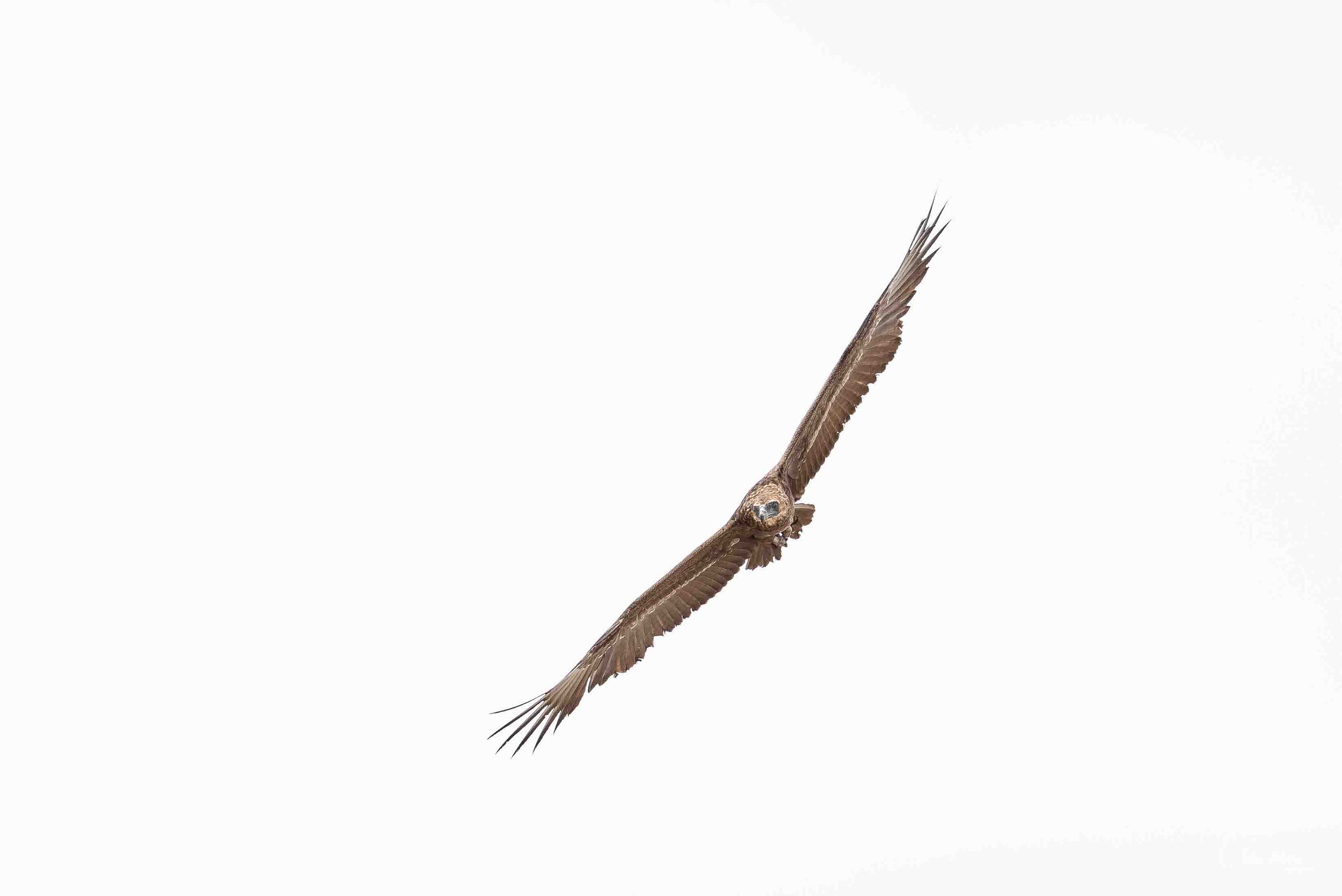
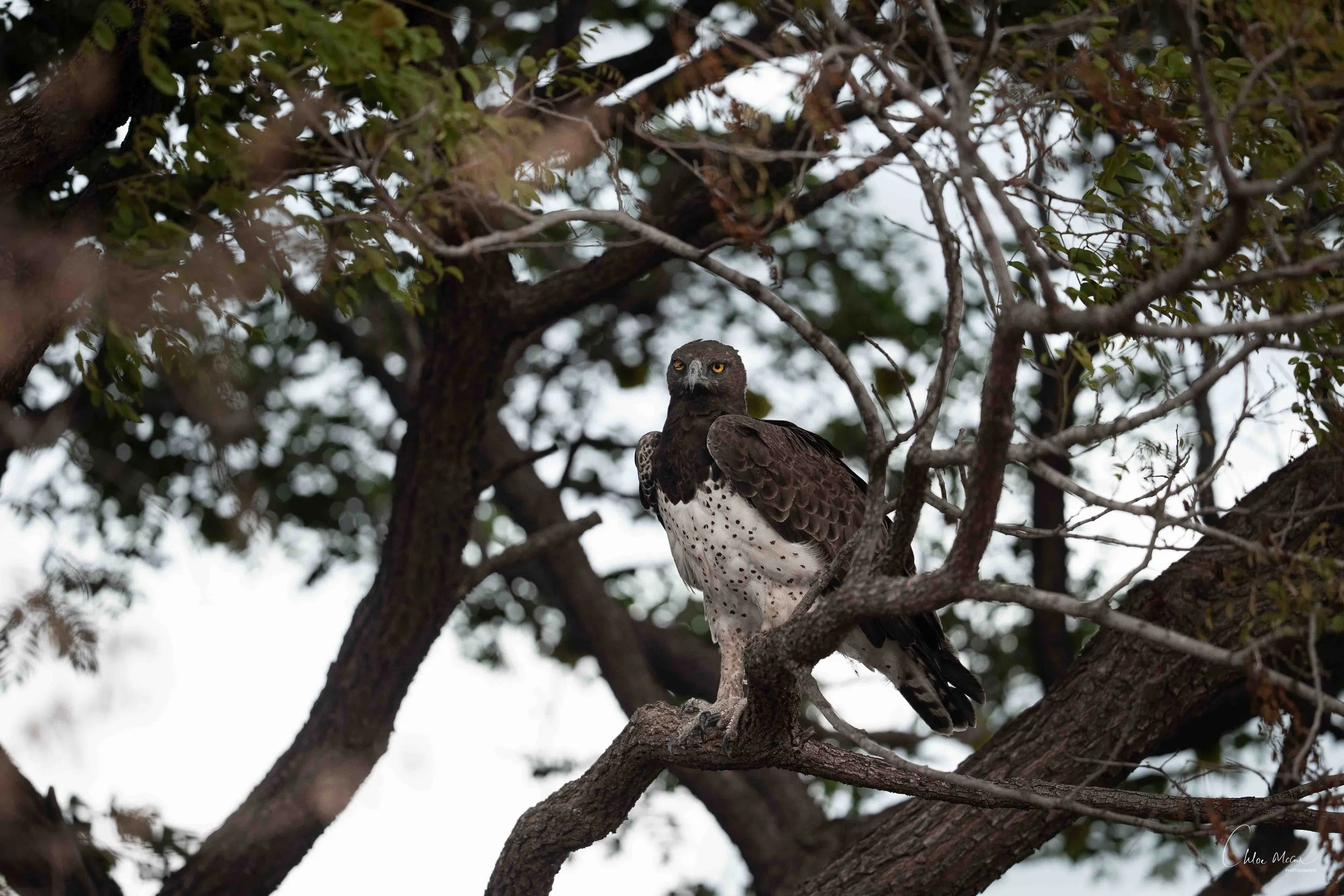
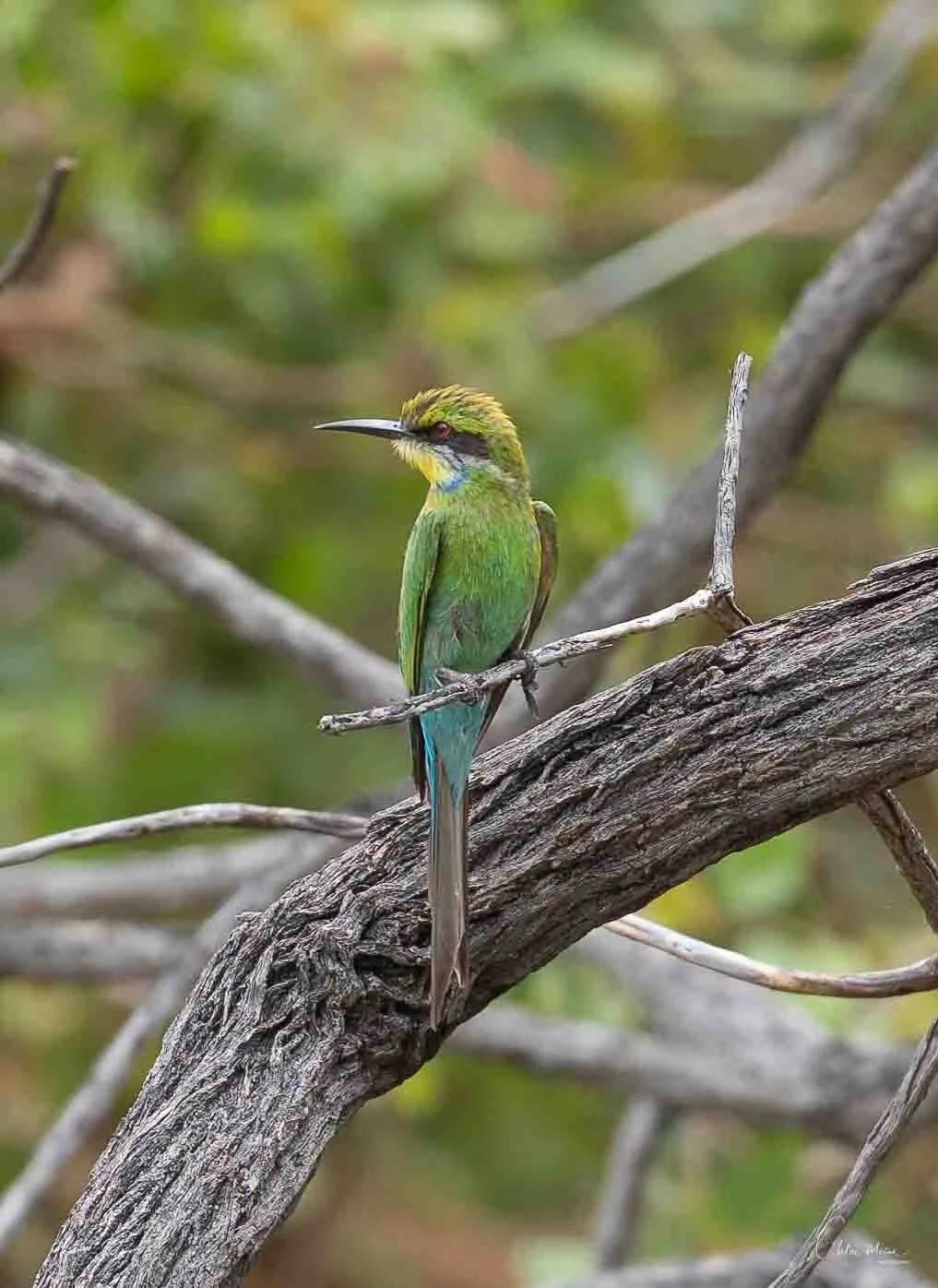
The birding here is next level, with lots of species ticked off a huge checklist. Although I am relatively “new” to birding and don’t consider myself a serious twitcher, it was hard not to get excited about seeing so many new species. Especially as our guide was equally enthusiastic about showing us so many species. There are approximately 335 species and some highlights for me were the ever beautiful wattled and crowned cranes in vast numbers, the secretary birds and bustards, rosy throated long claw and blue breasted bee-eater. It was really nice to relax into the birding without the pressure of having to find anything for my own guests. Expectations for myself are always low and I’m delighted to say whilst I was THRILLED just to sit and film dung beetles, we saw lots and I will definitely be back.
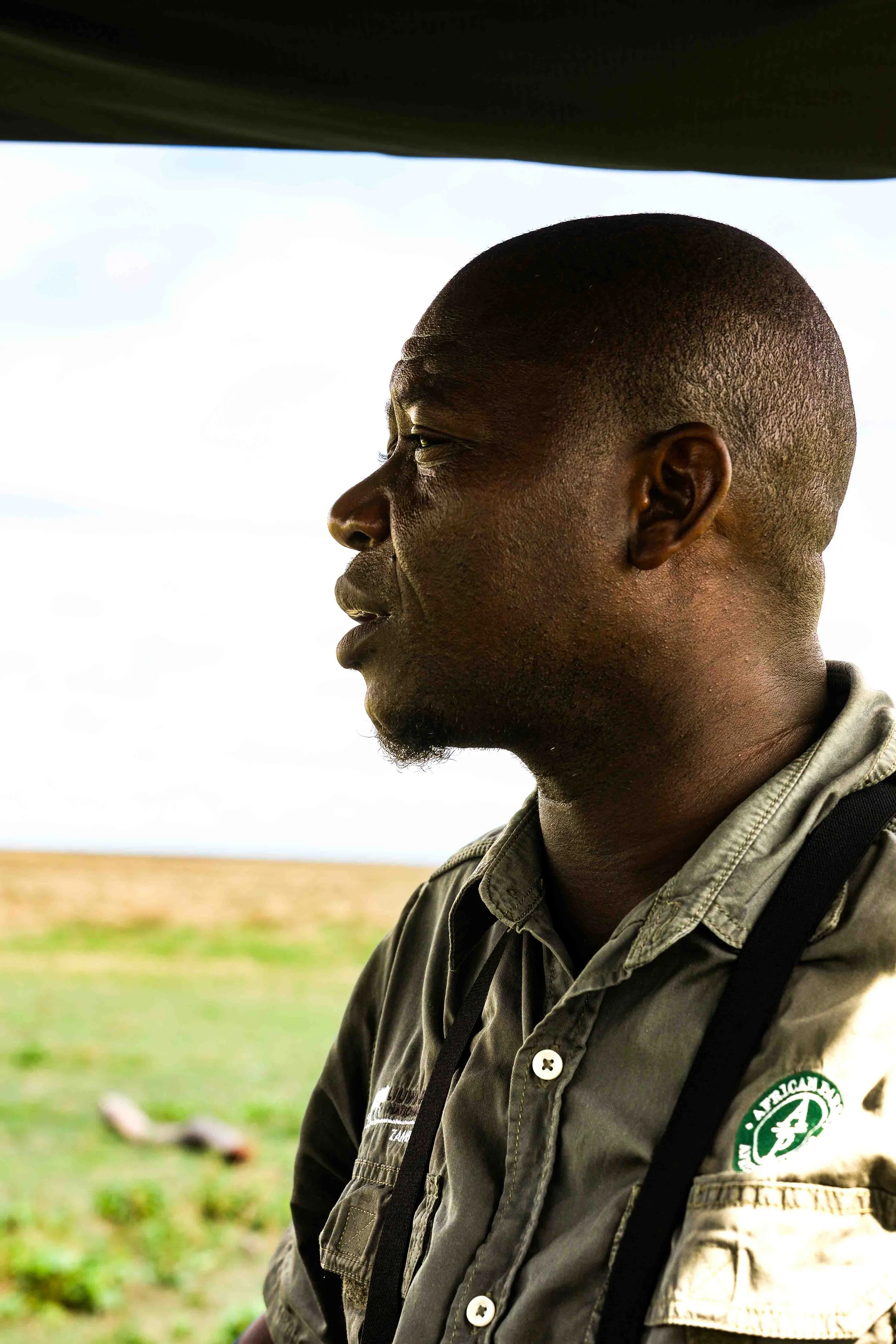
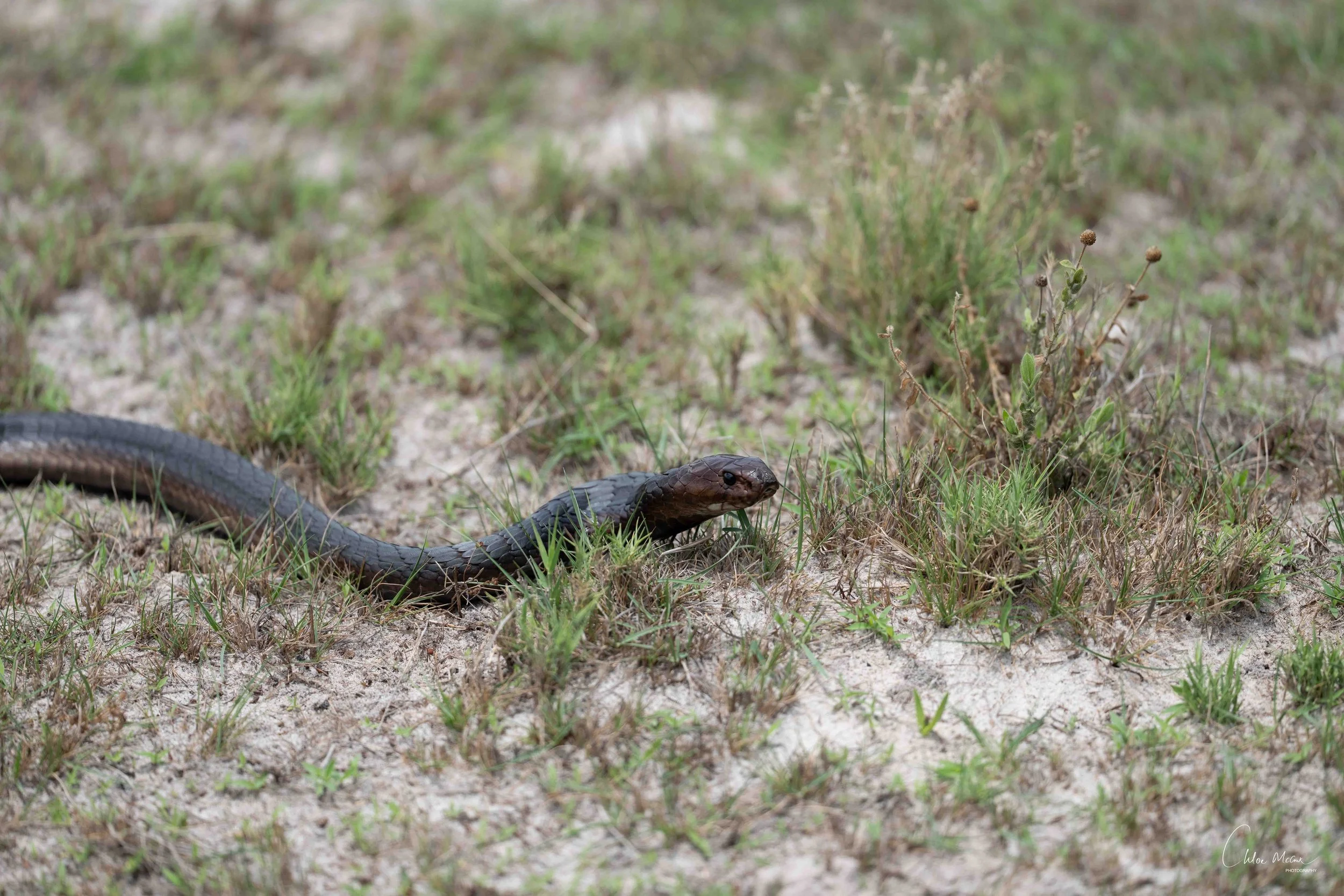
A little highlight for me was a new species of snake. I know it is not everyone’s favourite, and it probably comes as no shock that a Scot would be supporting the under dogs! However, I find snakes fascinating. And perhaps like them even more because most people do not! Vastly misunderstood they are very simple creatures that only attack if taken by surprise or attacked themselves, which really is very understandable. Nobody would give a lion a hard time if you clubbed it on the head and it bit you! We had heard from the guide about the massive black snakes (not a black mamba lol) and we saw the endless holes they apparently travelled through. If you love snakes, you look for them like I do. If you hate snakes, they look for you, because I swear the only people that are lucky enough to see them regularly are the people who do not wish to!! Our guide saw one but quickly drove on, much to my dismay, as it was near the car and he was a little nervous it would rear up... however much to my delight we saw another one, all of us, the next day! An Anchieta’s cobra! We followed this massive snake for as long as it would allow and when it slithered down another hole looking for its prey we rejoiced for the sighting and probably Gift, our guide, rejoiced it left!
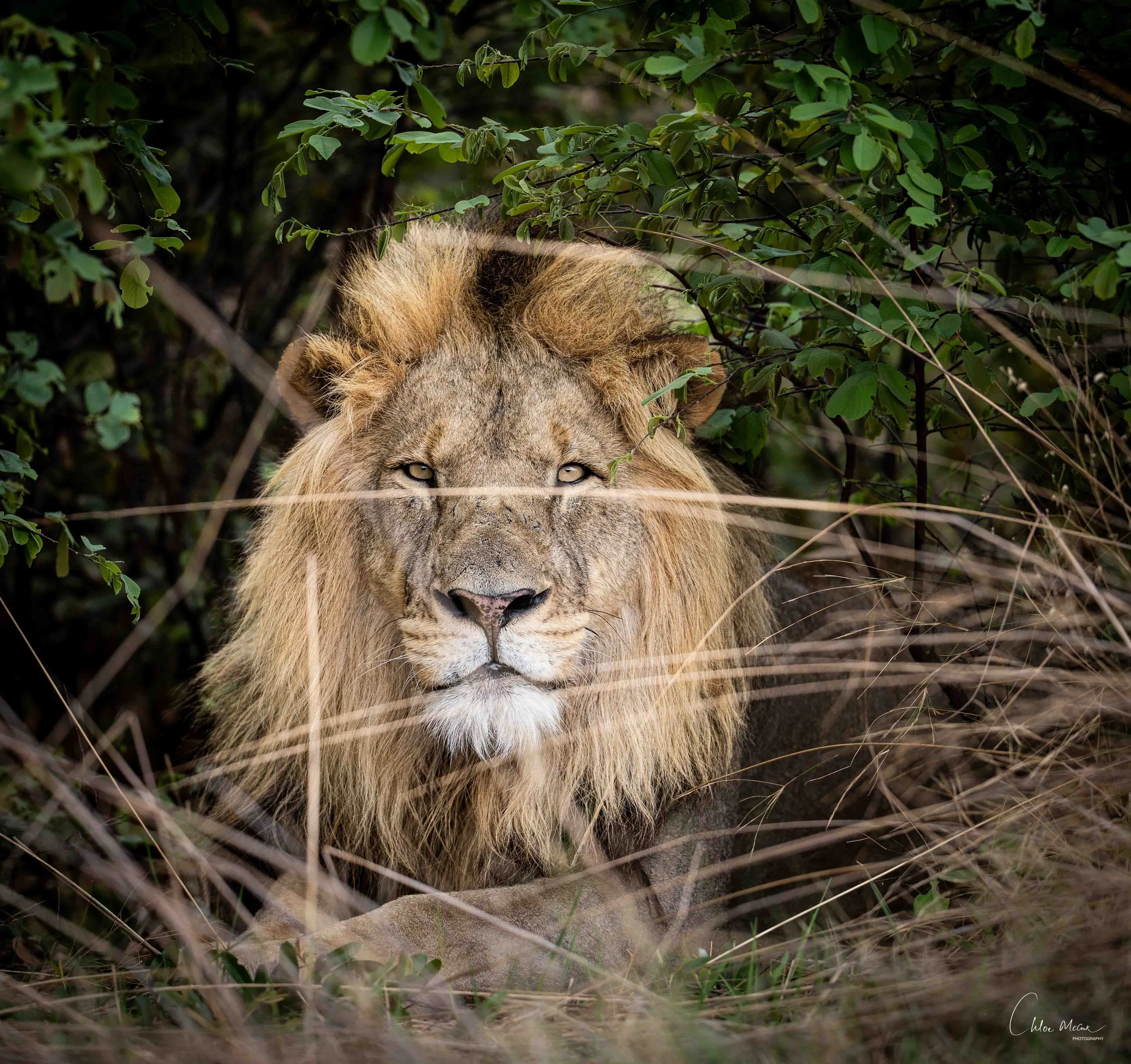
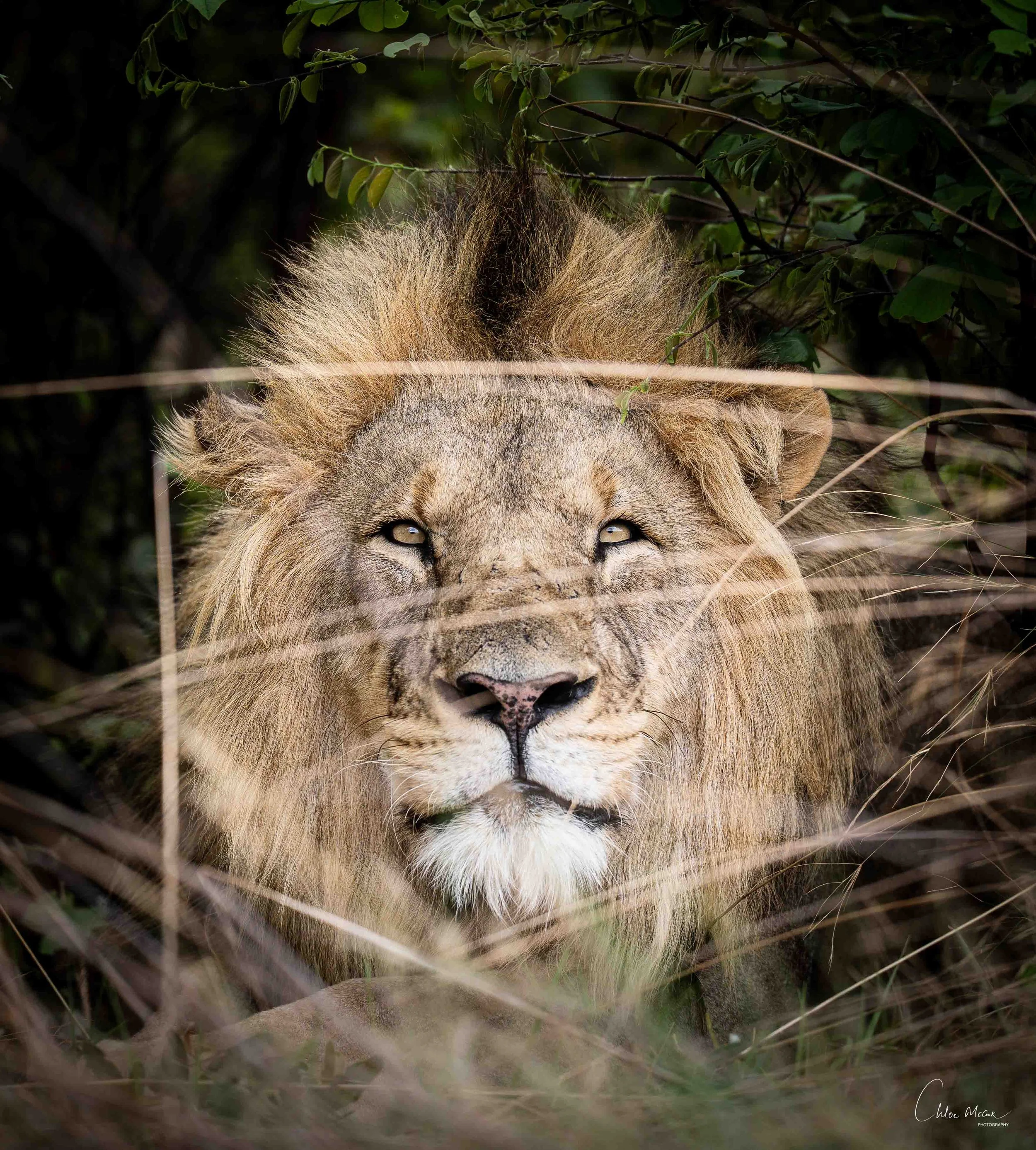
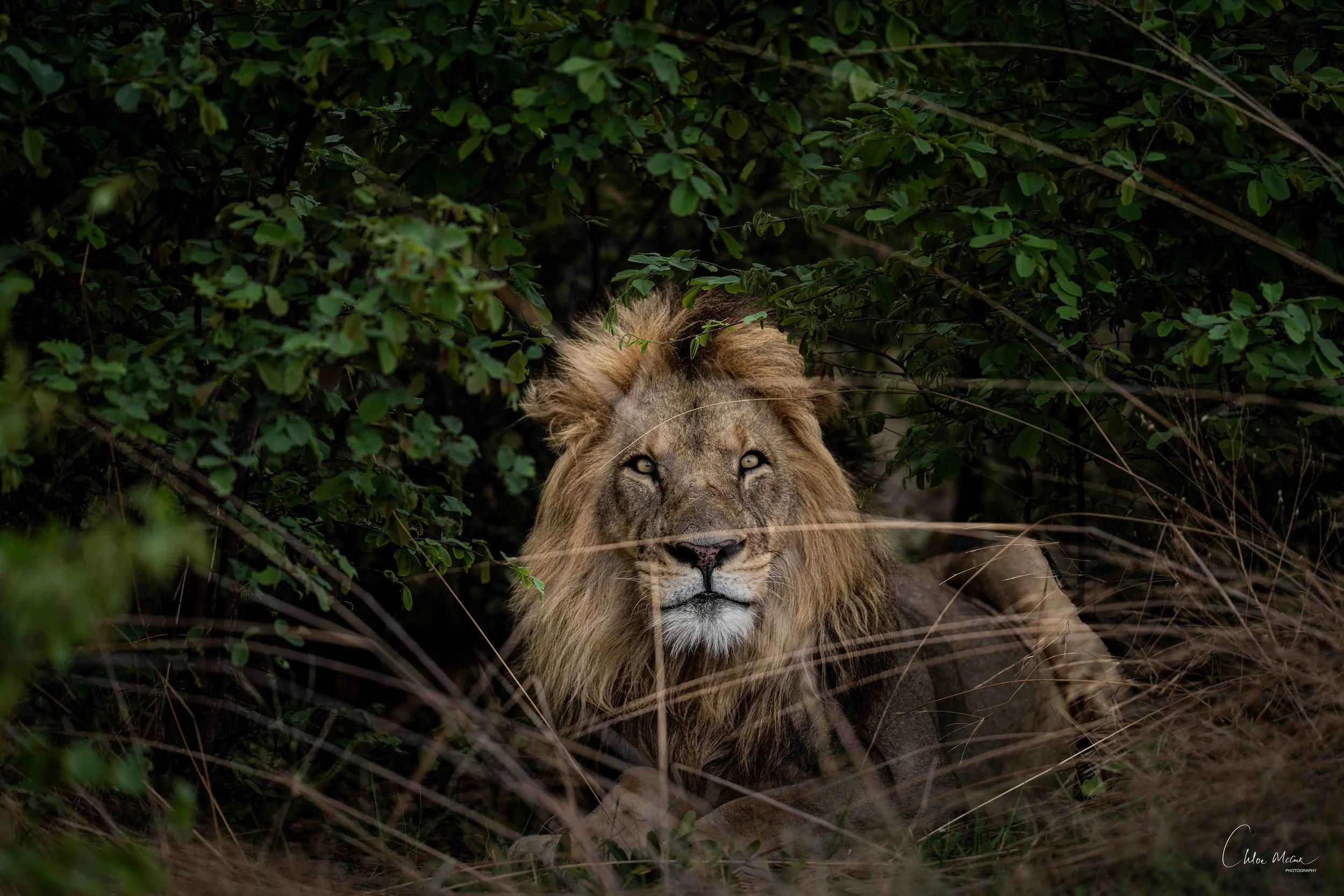
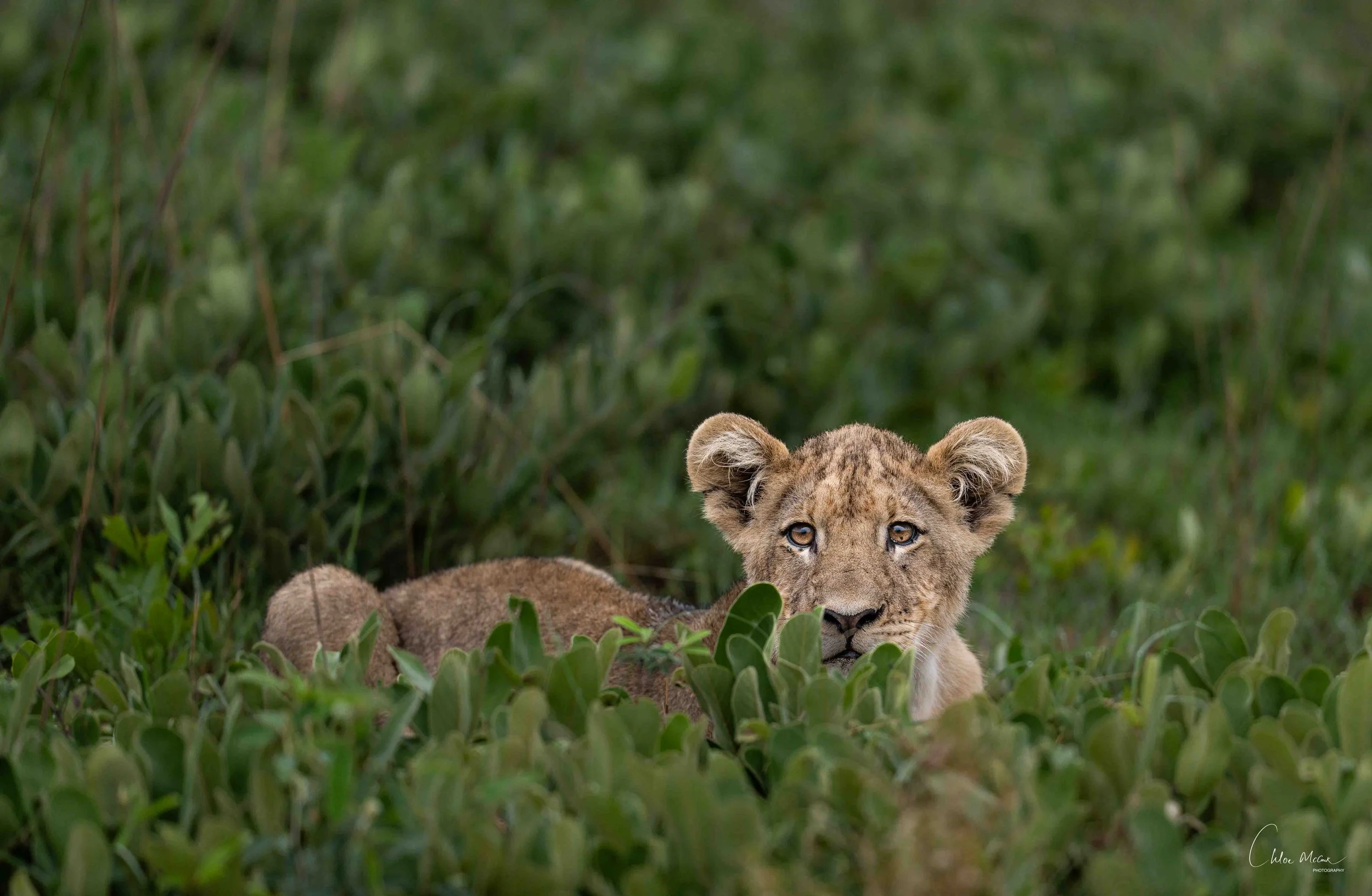
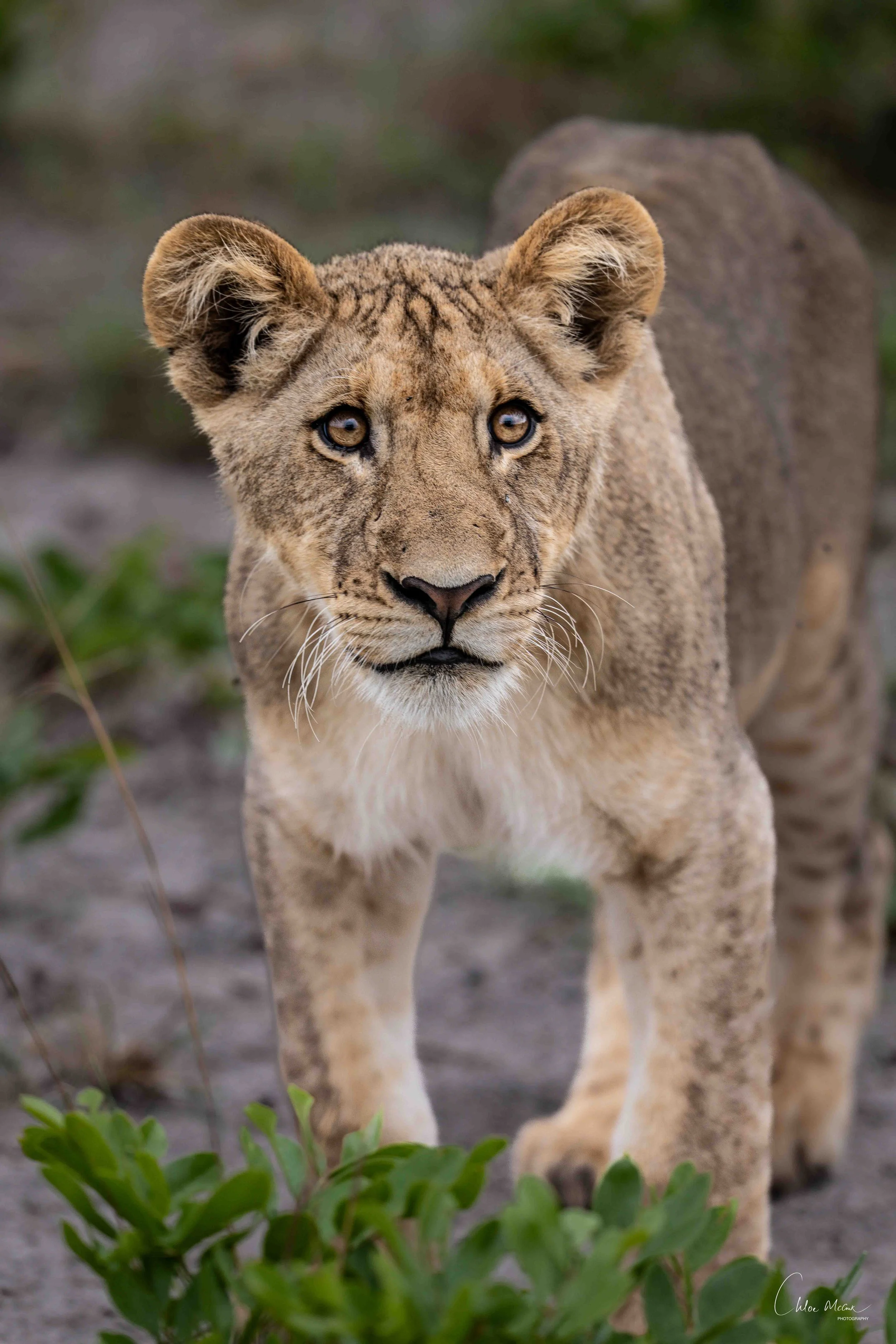
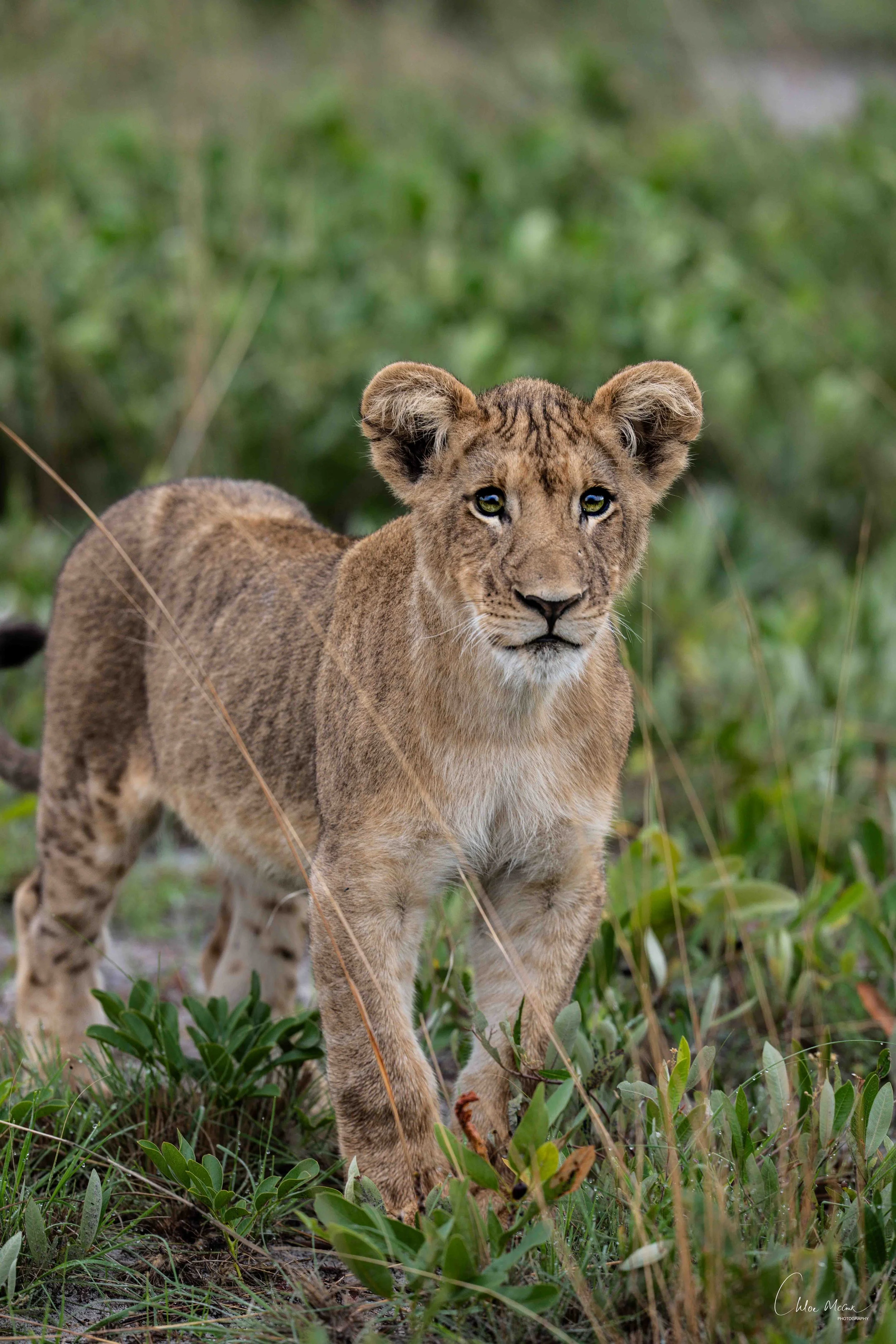
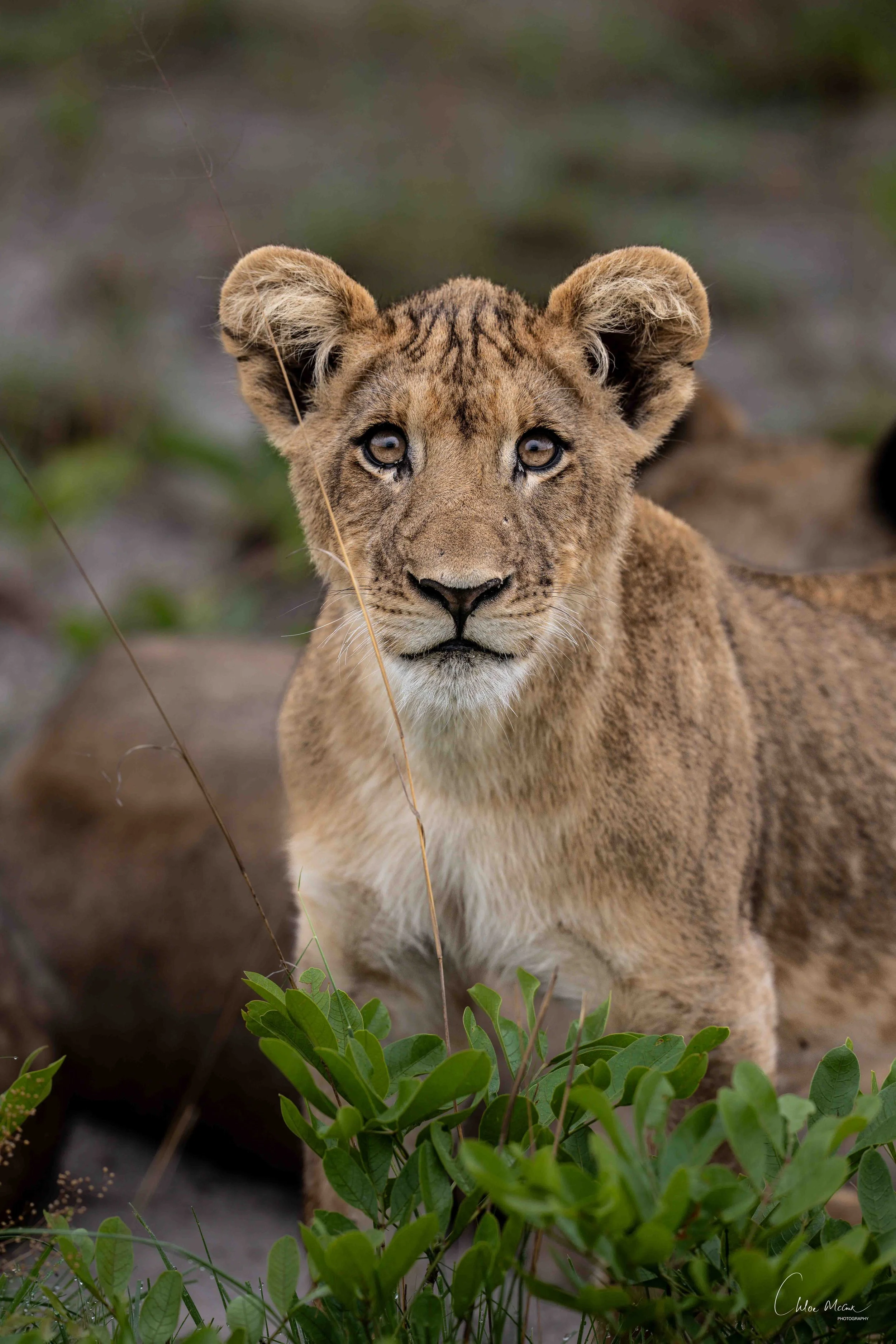
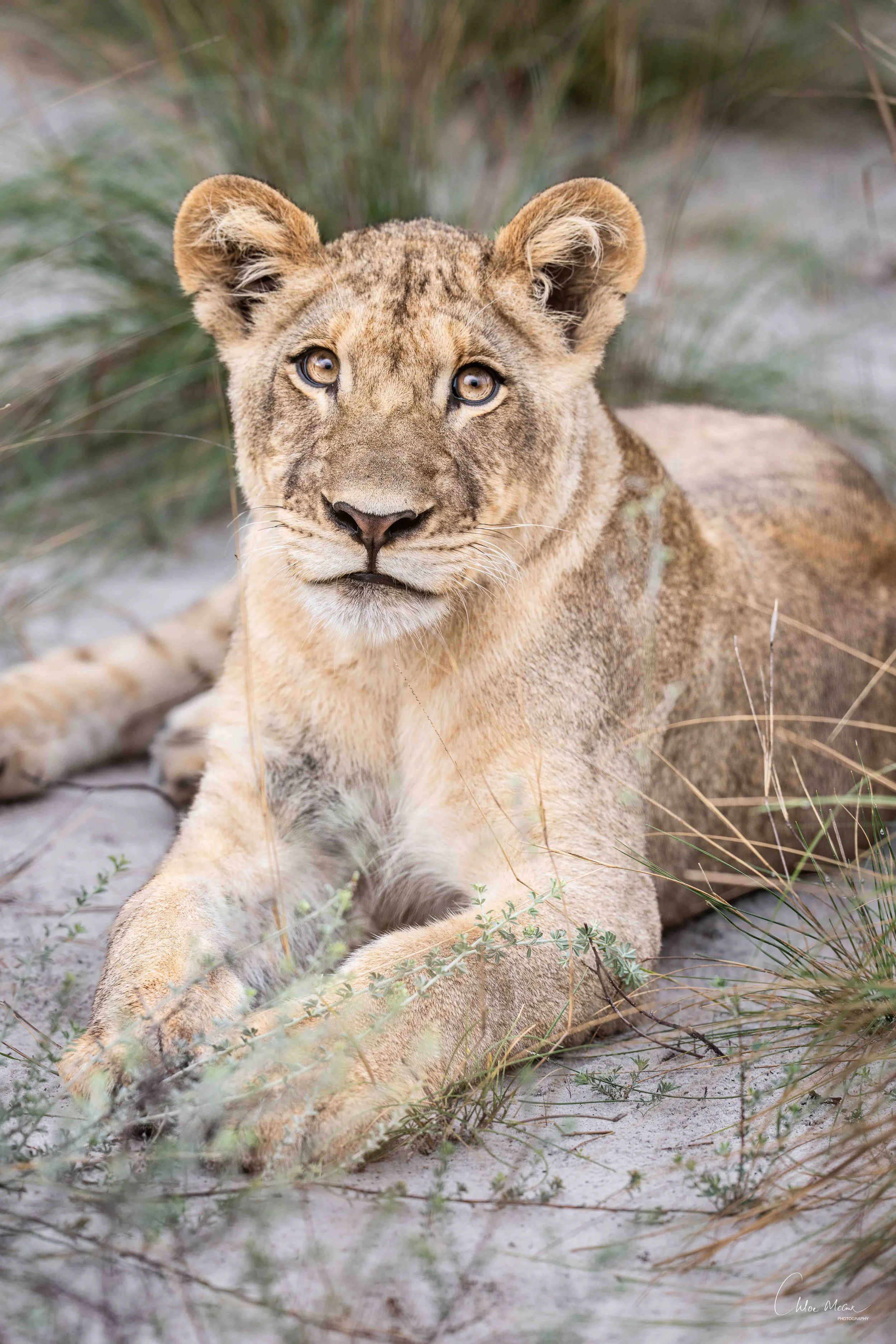
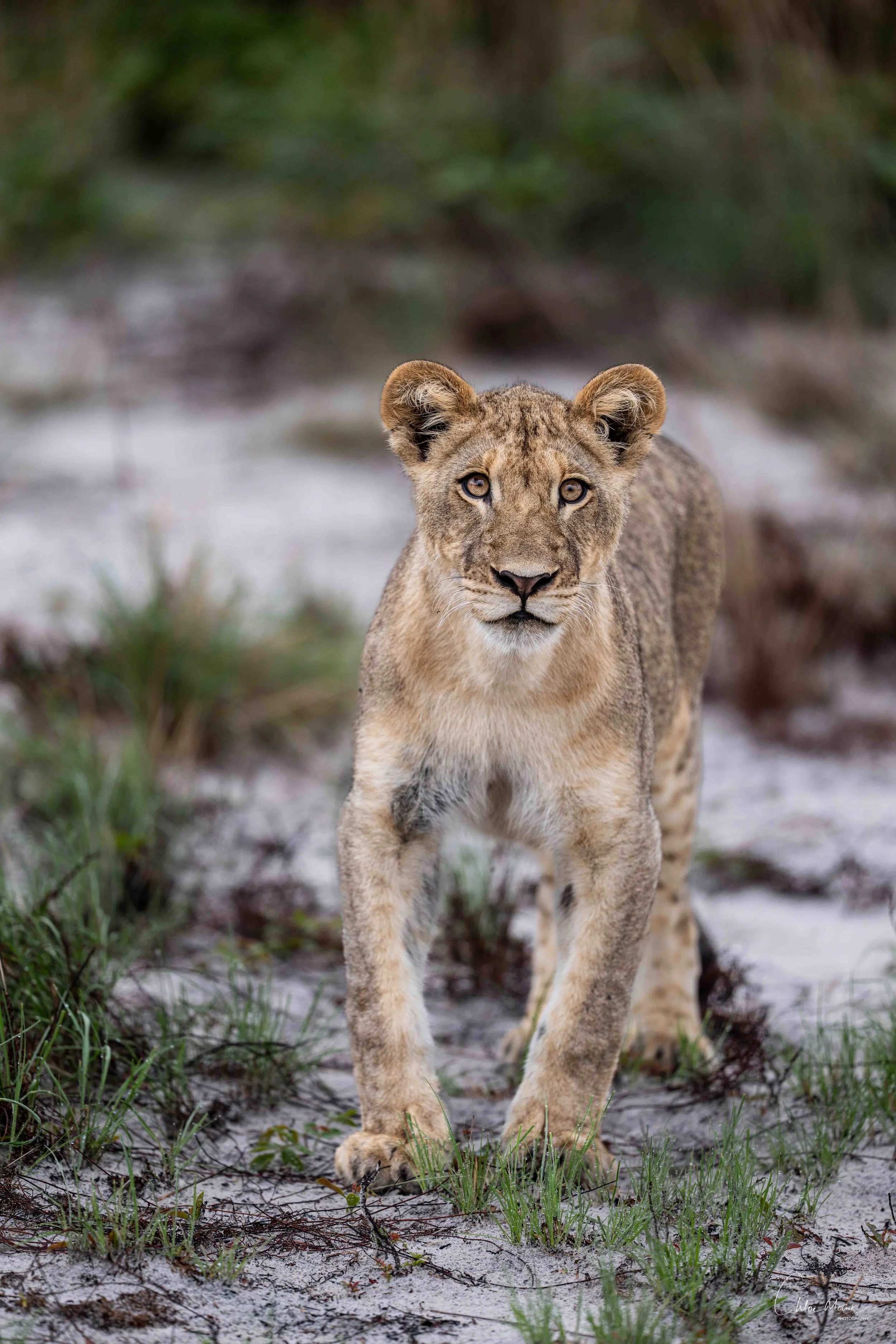
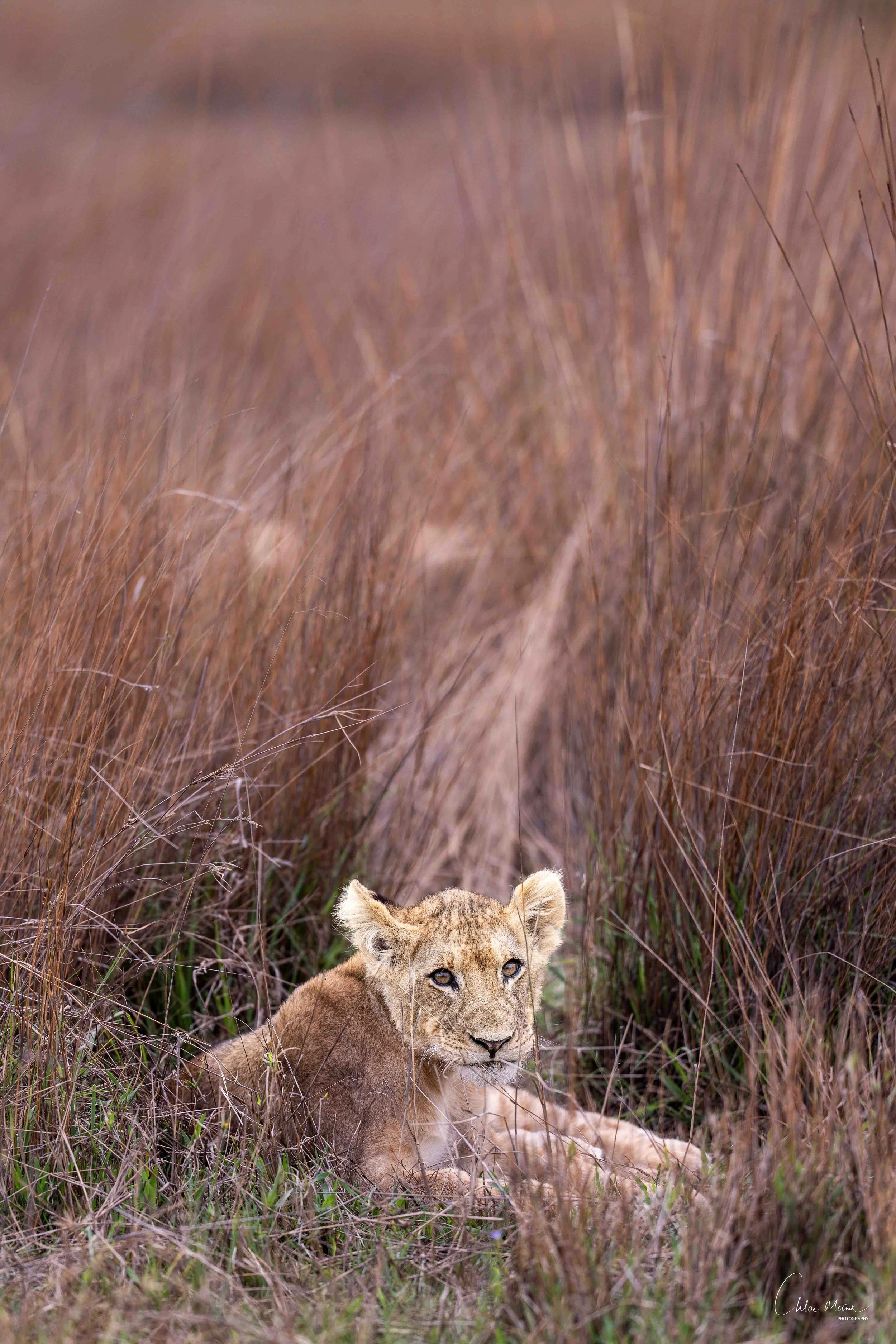
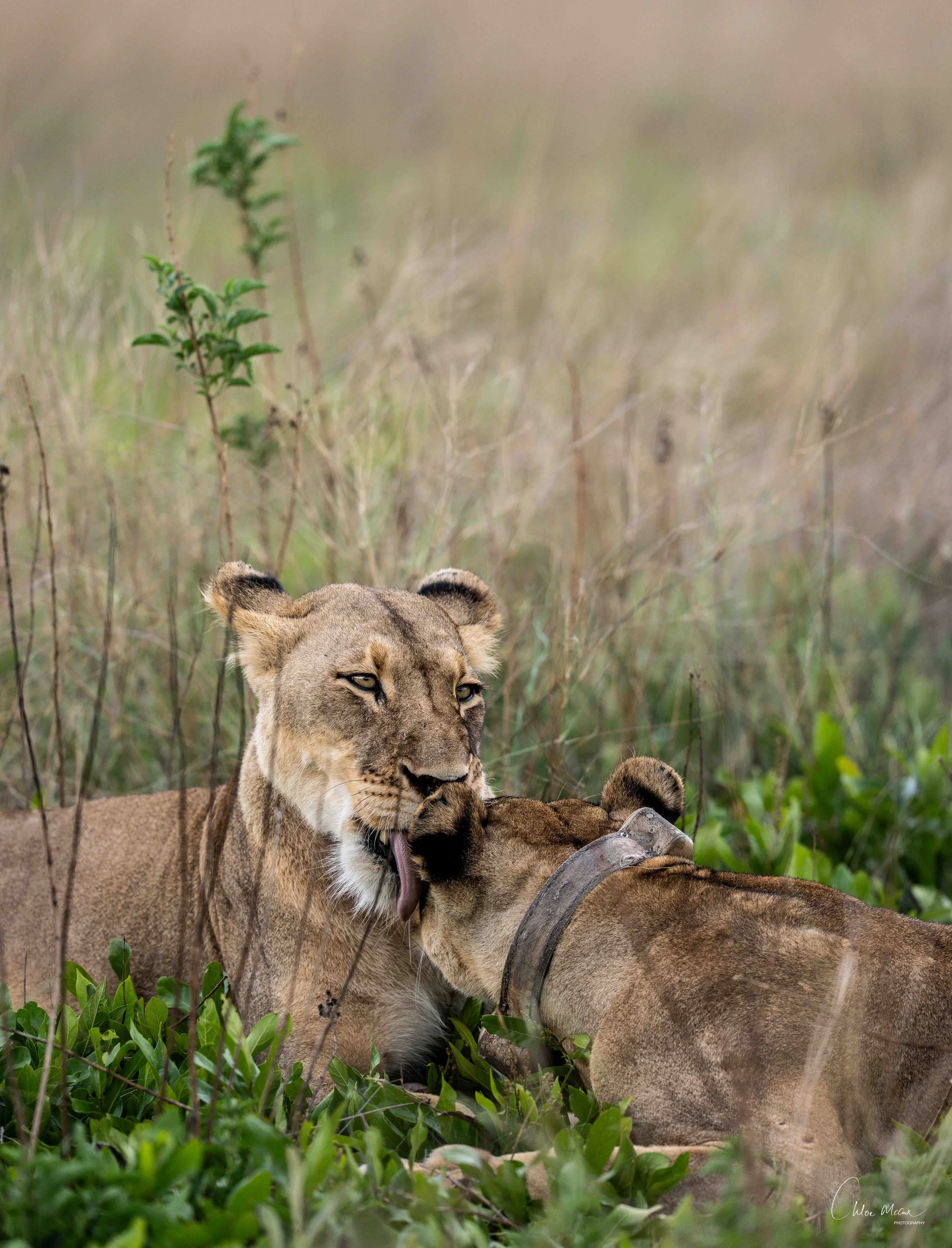
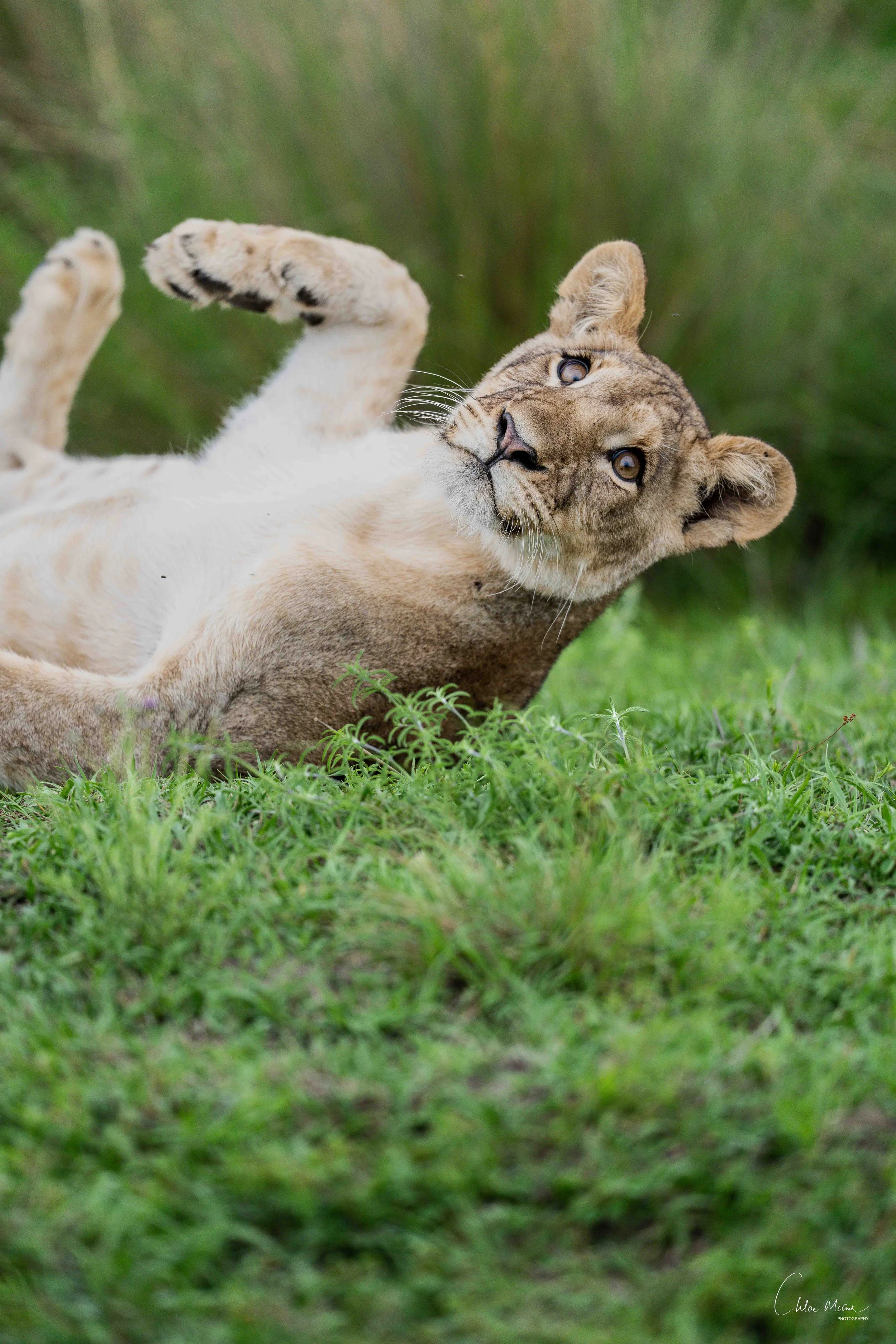
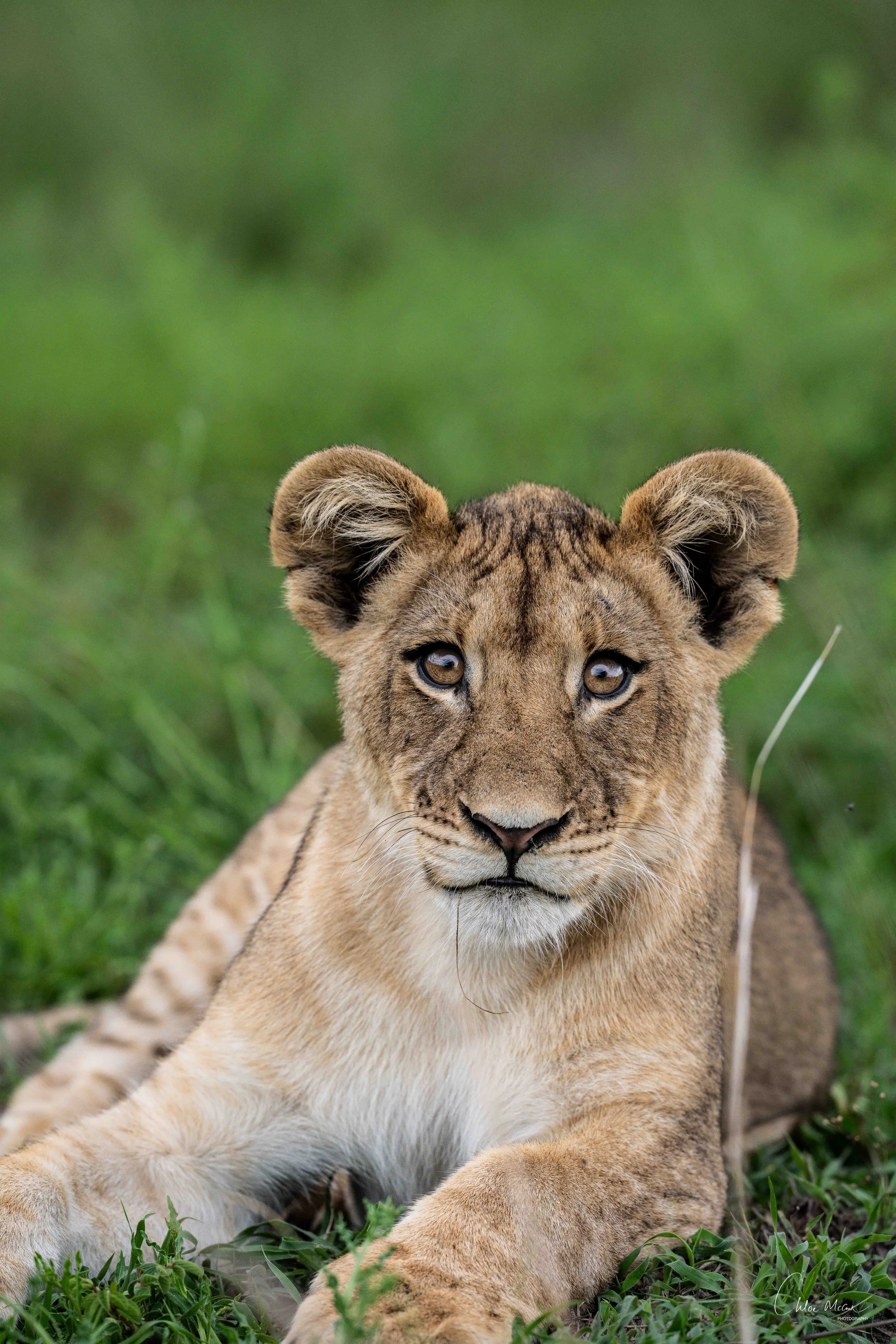
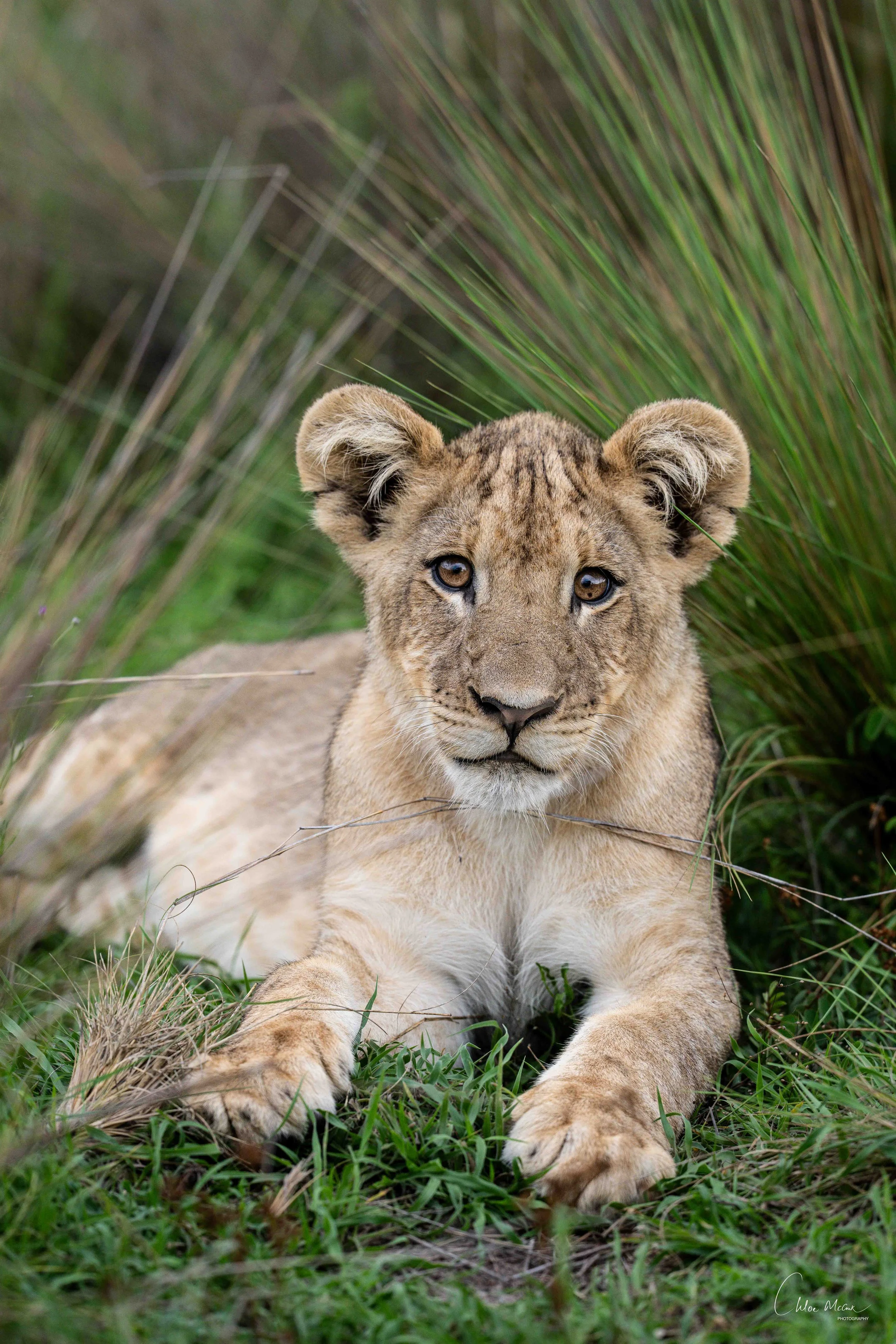
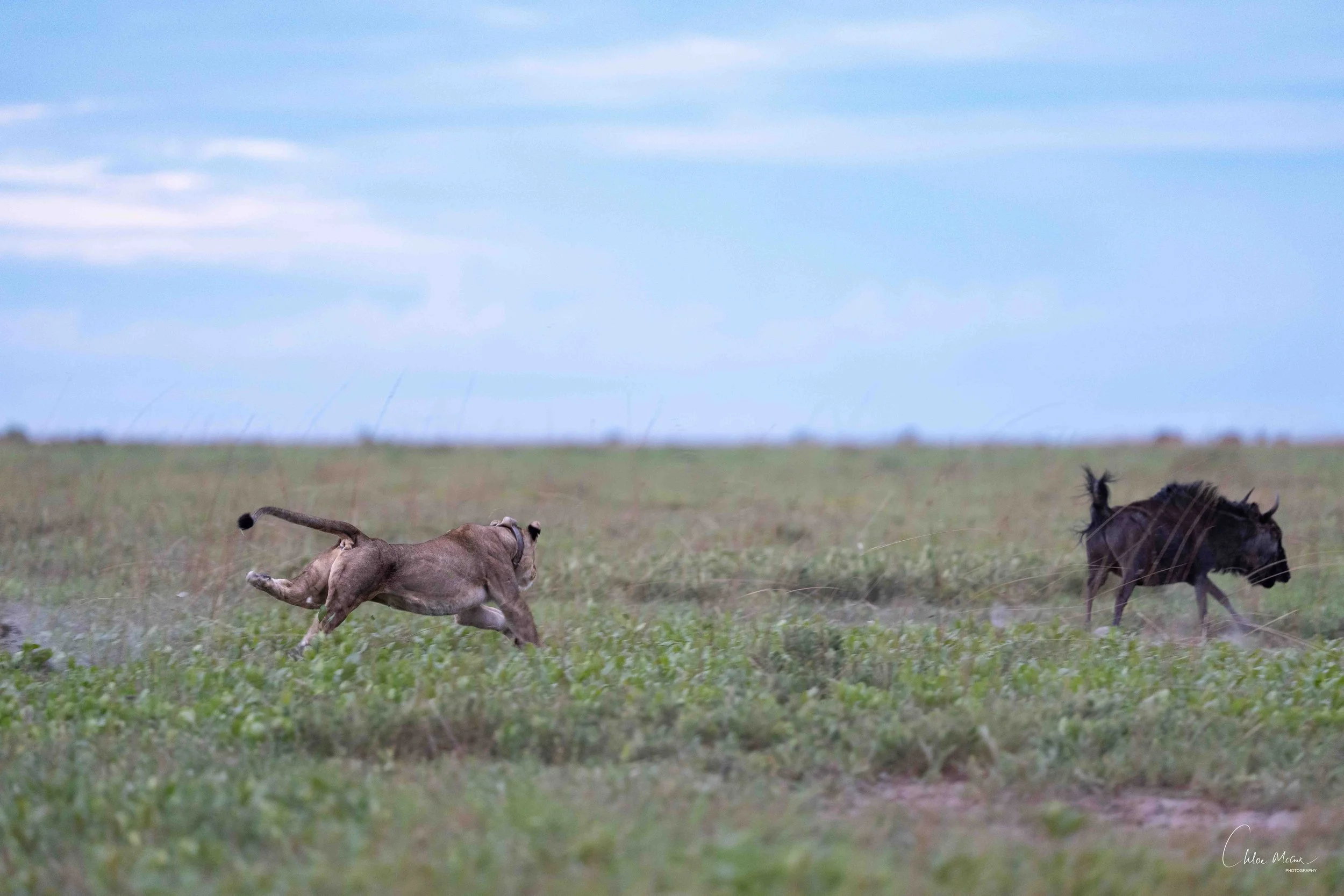
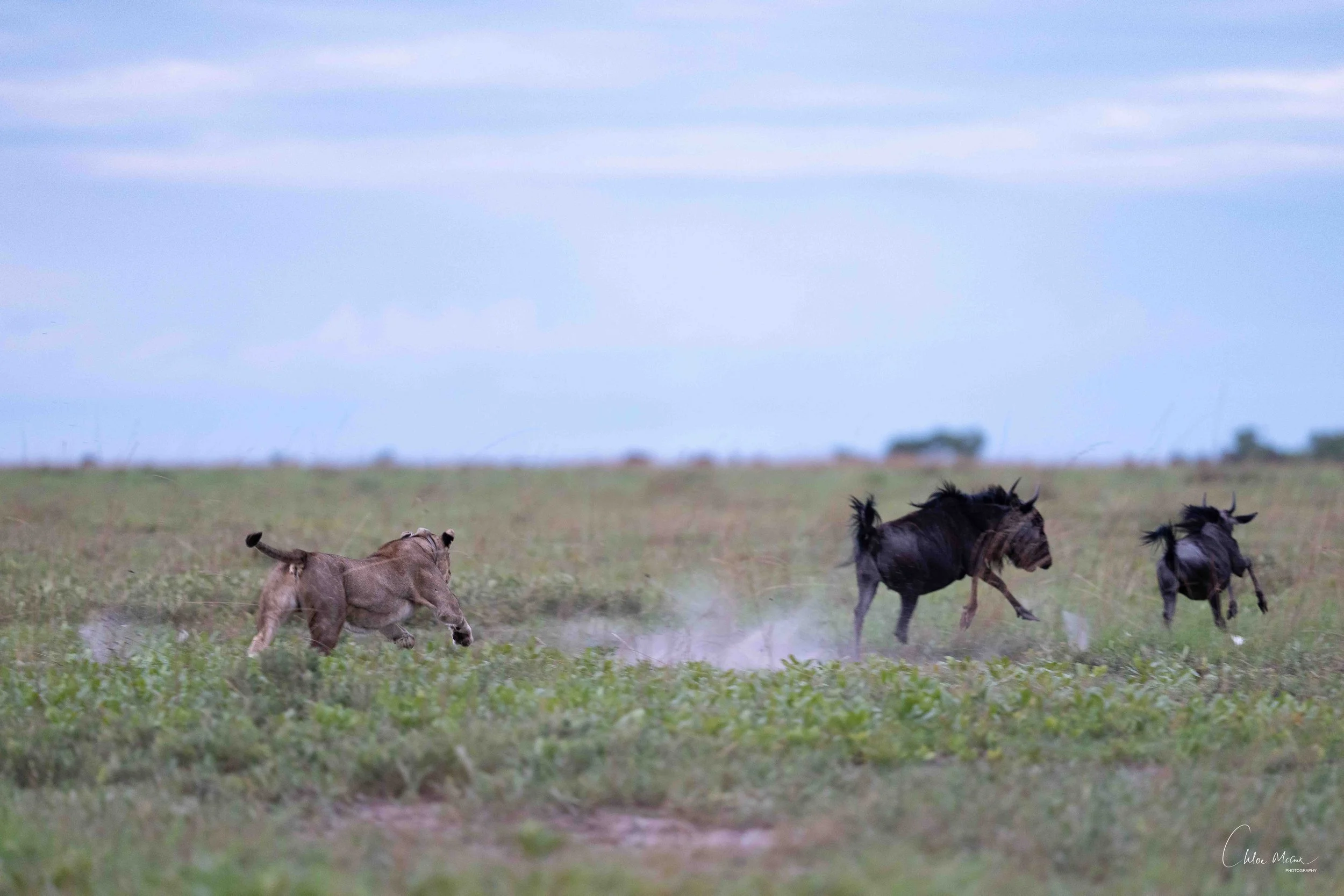
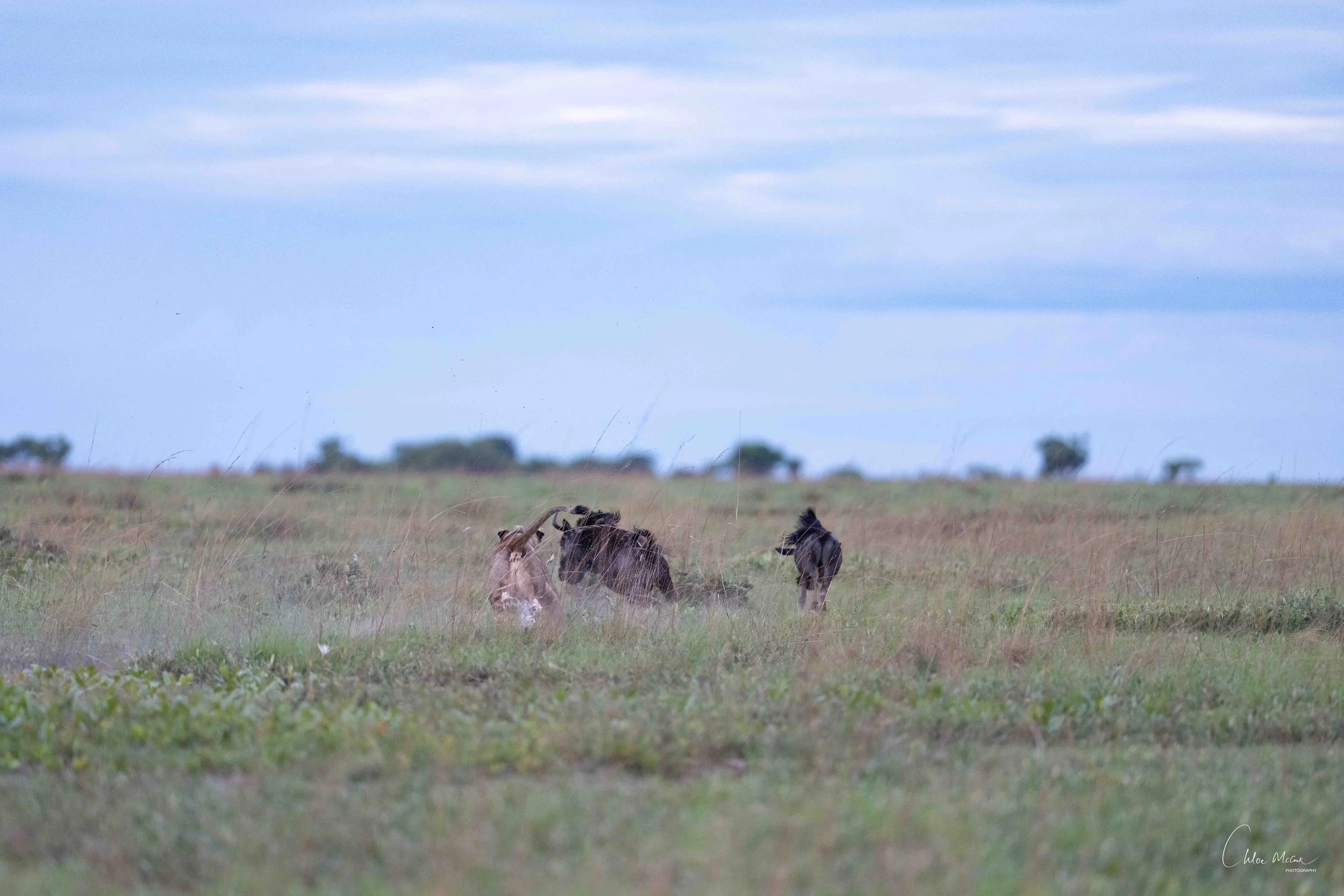
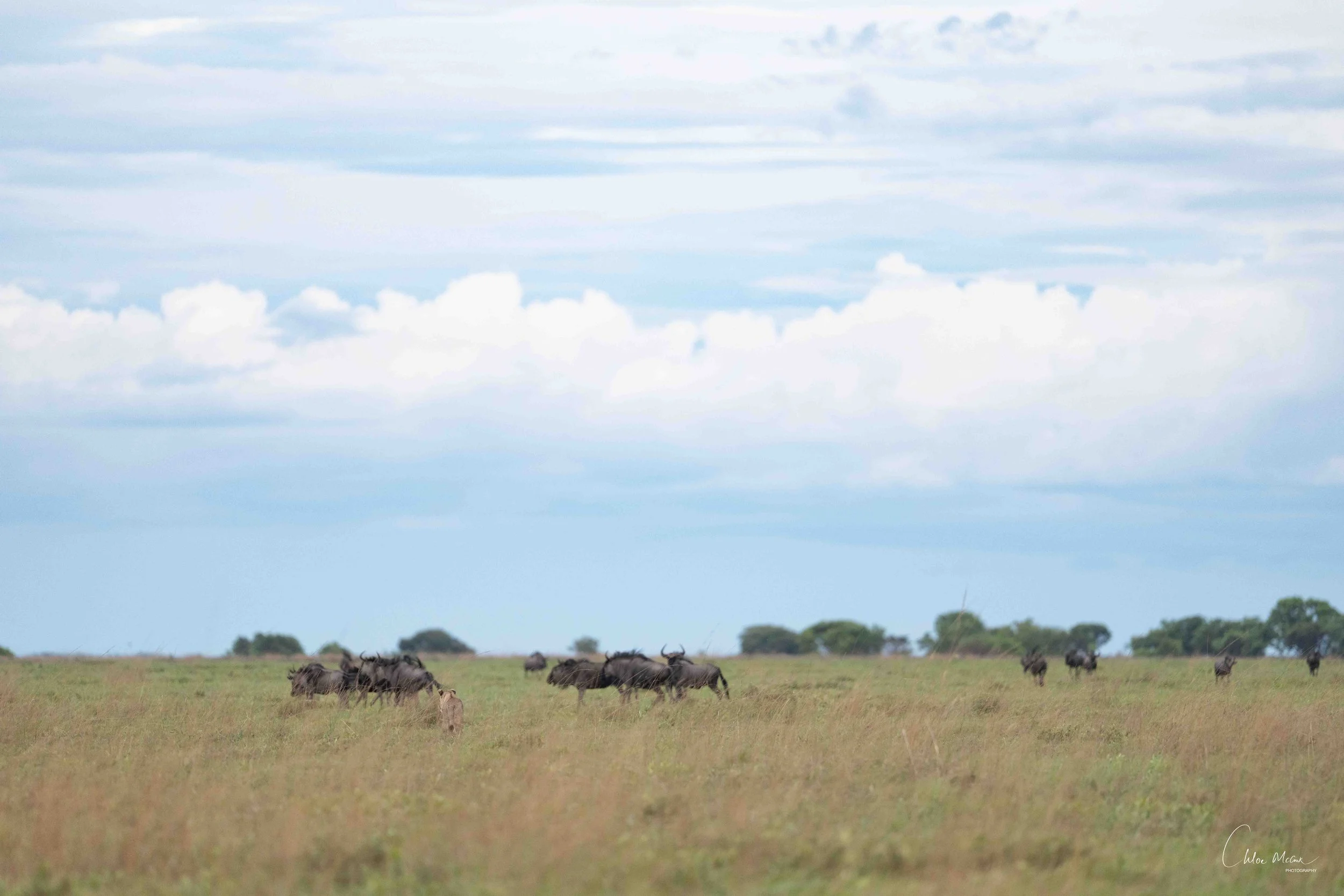
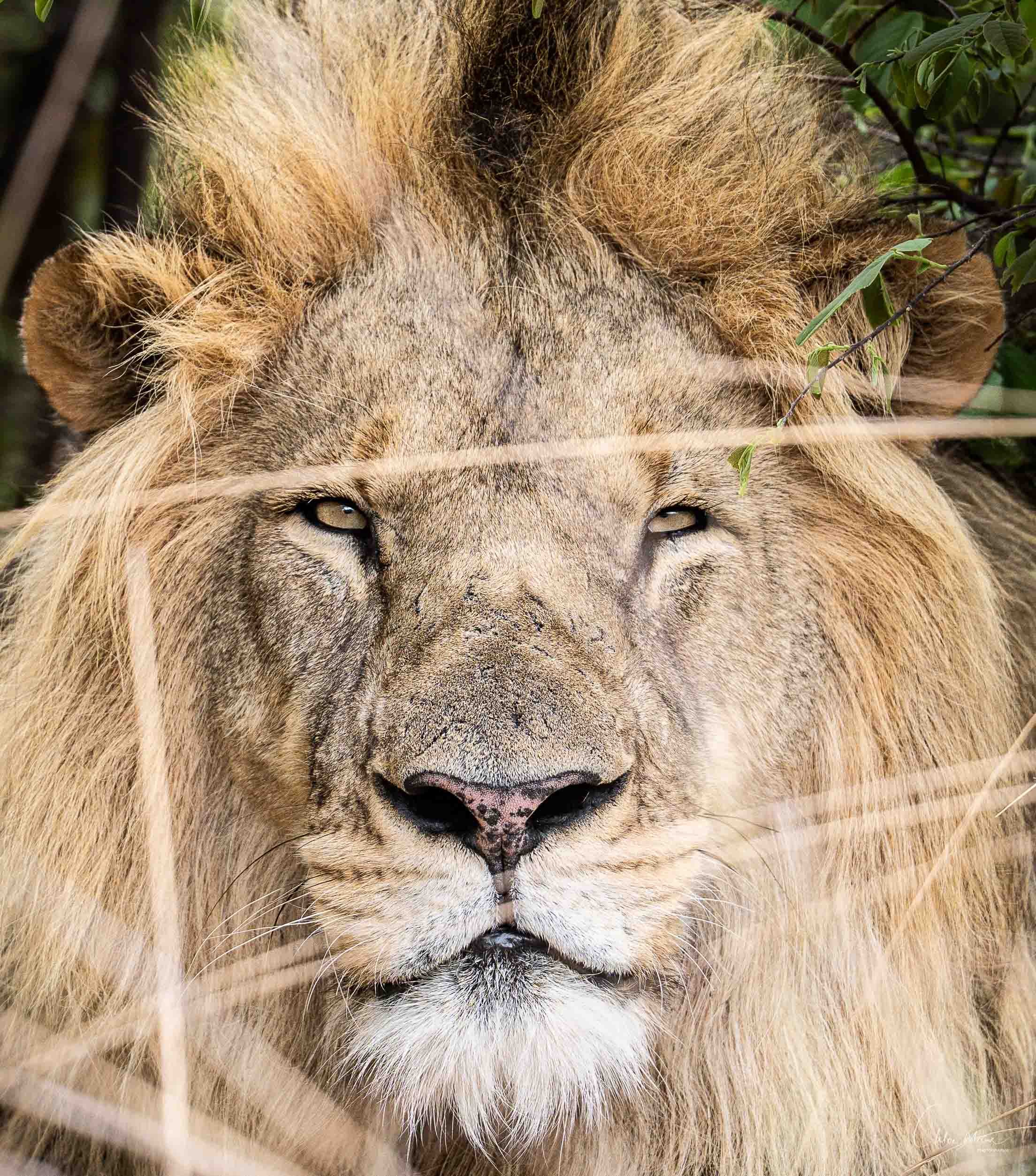
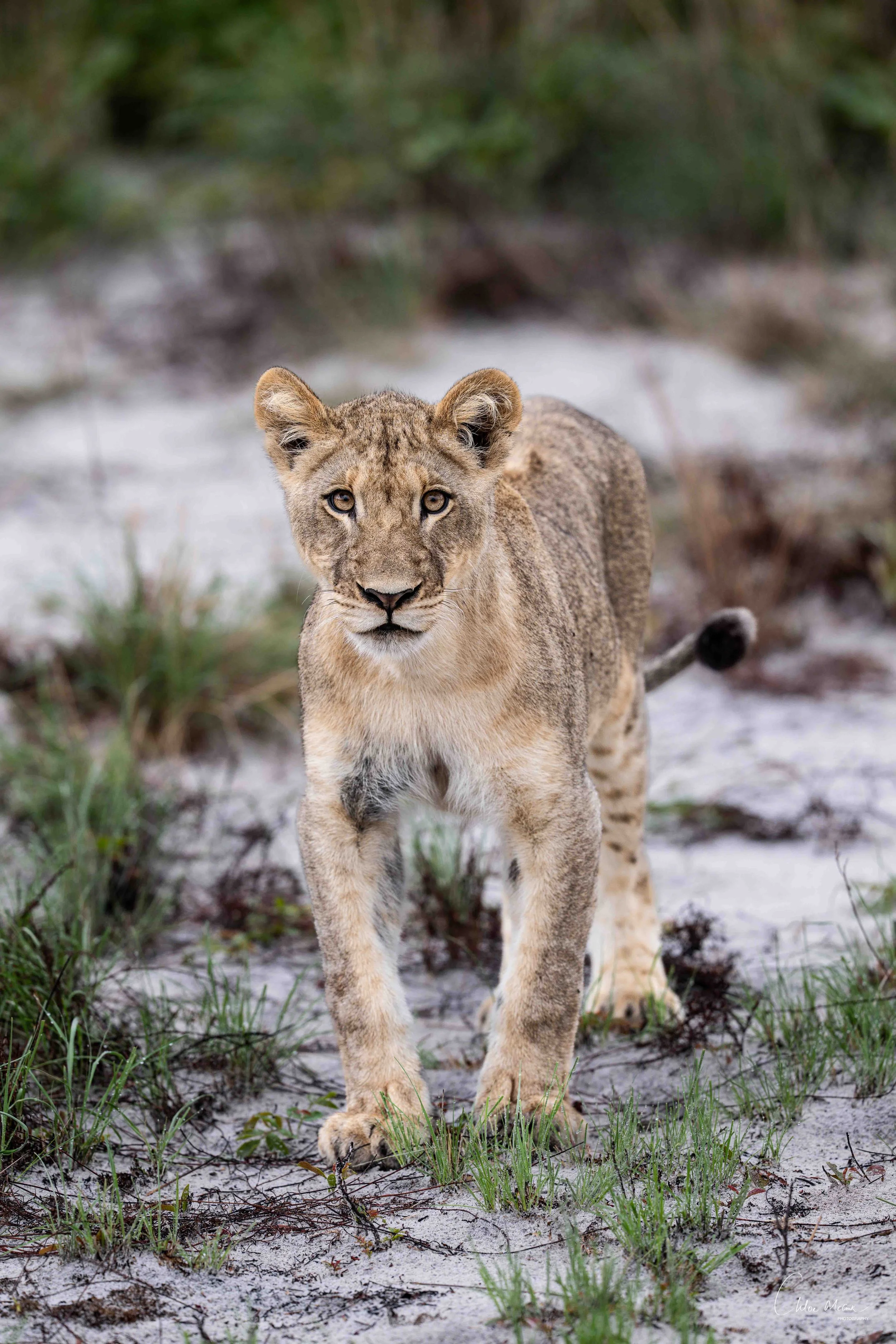
Another highlight throughout the trip was of course seeing the lions, the offspring and legacy of Lady Liuwa. Compared to the balding lions of Luangwa the lions here have flowing manes! Apart from the noticeable differing hairstyles it was incredible to see the young cubs doing well, playing and even witnessing a hunt whilst we were out the car having a sundowner. We had spent the better part of 2 days with these lions and had watched a few stalks from the ladies; due to the openness of the area, it is hard to have the usual ambush lions like to spring upon their prey. The grass and some bushes and trees provide cover, but they must be very patient to get the element of surprise or tail the herds of wildebeest in order to pick off the vulnerable individuals. The cubs obviously present them with an extreme disadvantageous often giving the game away too quickly, however on this hunt one of the older cubs lead the chase and kept chasing long after his mum had given up. They were so close and perhaps if the other adult female had joined in, they may have been successful, but it was quite incredible to watch this unfold around our car and even though technically the lions were “circling” us they seemed curious as to what we were up to rather than interested in us as a prey source. Perhaps a nod to their grandmother who also sought human’s company. Perhaps also taking advantage of the parked car as cover from the wildebeest to gain advantage. Something we see often with the leopards in Luangwa. It was quite a thrill to have them chase the poor wildebeest around the car then circle back, the cub came quite close, we will never know if he thought he would join in the sundowner, let us know he had failed or try again with easier prey!
Liuwa much like the rest of Zambia is wild, untamed and a complete success story. There is an emergence of shifting in the wildlife industry to not just take the beaten track and see what everyone else saw. It isn’t so much about what you spent on the safari or if you had a plunge pool but rather, thankfully, the focus is re-shifting towards ethical, responsible and differing focus points. Birding has become “cool” again, a hobby for all ages and abilities, people want to know where their dollar is going, if there are conservation projects, they don’t want to be in crowds of other people all inching closer to try and get a better look. Liuwa is one of those special places that not only has conservation success stories, but there is also a true partnership with the surrounding communities, limited numbers of visitors and something vastly wild and different. It’s something I truly love about Zambia, one minute you can be by the might Victoria falls, out into the plains of Liuwa, fishing on the Zambezi River, watching leopards in winter thorn or ebony forests, or searching for the elusive shoebill. It is one of the few countries with such diversity of species as well as an incredible number of endemic species or “lifers”. From the hustle and bustle of the attractions at the falls to the truly remote Kasanka NP where the fruit bat migration takes place. Liuwa, for me, was so different to Luangwa it was such a pleasure to experience such diversity, not only with the wildlife but I was happy to see so many female members of staff, from researchers to management. Which seemed a fitting tribute to the lady that once roamed alone.